
Flashes and Floaters: When Are They a Sign of a Retinal Problem?
Quick Answer
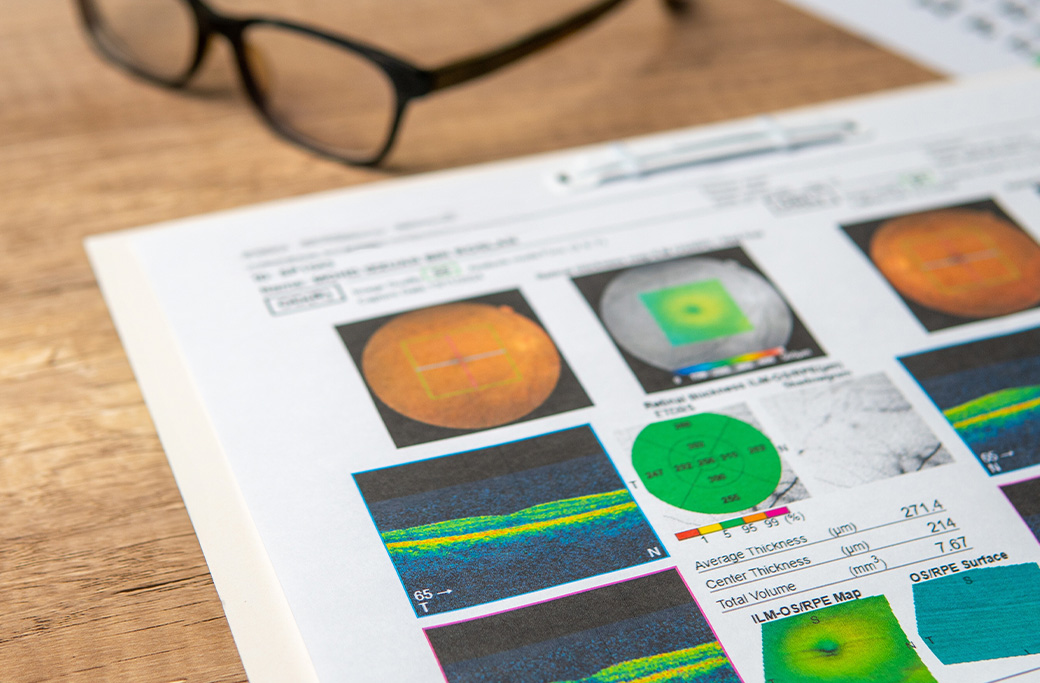
Sudden flashes and floaters can sometimes signal a retinal problem, especially when they appear together or develop suddenly. While flashes and floaters are often caused by normal age-related changes inside the eye, a sudden increase in floaters, new flashes, a curtain-like shadow, or vision loss can indicate a retinal tear or detachment and requires prompt evaluation.
Seeing an occasional floater is common, but when your vision suddenly changes, it’s important to pay attention to when the symptoms started, whether they are increasing, and whether other vision changes occur at the same time.
What Are Flashes and Floaters?
Floaters are spots, specks, lines, or web-like shapes that seem to drift across your vision. They are usually caused by changes in the gel-like substance inside the eye, called the vitreous.
Flashes are brief streaks or bursts of light that can appear even when there is no actual source of light. They may occur when the vitreous pulls on the retina.
Both can become more noticeable with age and do not always indicate a serious problem. The concern is when they appear suddenly or change significantly.
Why Do Flashes and Floaters Happen?
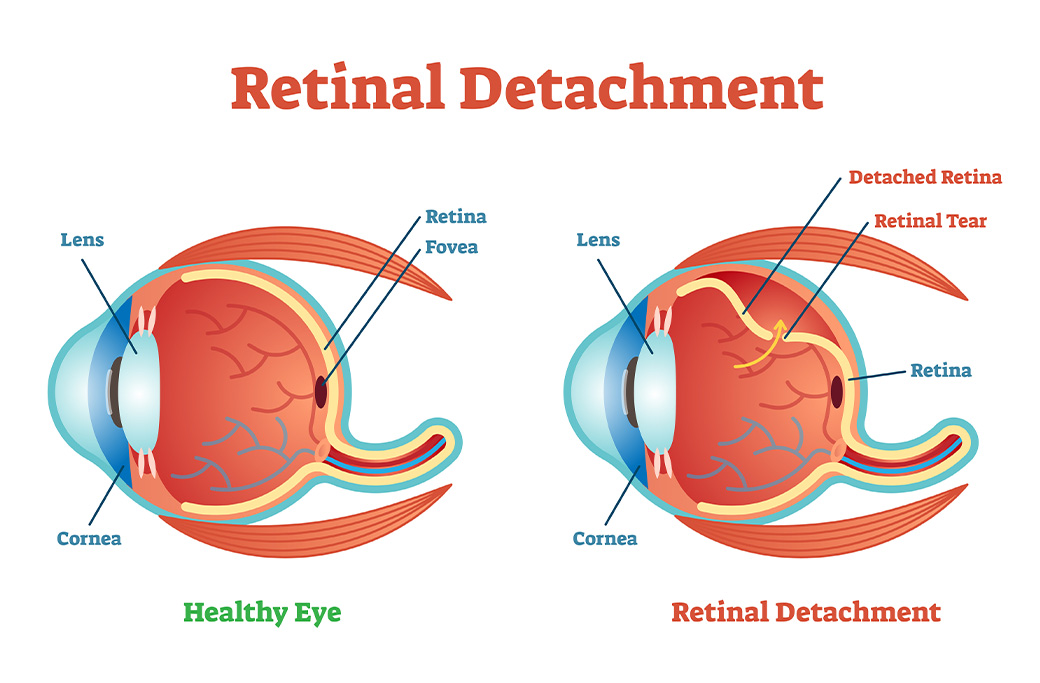
As you age, the gel-like substance inside your eye, called the vitreous, naturally becomes thinner and can pull away from the retina. This is a common age-related change called a posterior vitreous detachment (PVD).
New flashes or floaters can sometimes appear after a blow to the eye or head. Learn how sports-related eye trauma can cause a retinal tear or detachment and which symptoms require urgent evaluation.
Most PVDs do not cause serious problems. Although, sometimes, the gel can pull hard enough to tear the retina. That’s why new flashes of light or a sudden increase in floaters should always be checked by an eye specialist.
When Are Flashes and Floaters a Warning Sign?
New flashes and floaters deserve prompt attention, particularly when you notice:
-
- A sudden increase or “shower” of floaters
- New flashes of light, especially in your peripheral vision
- Flashes and floaters appearing at the same time
- A dark curtain or shadow across your vision
- Sudden loss of peripheral vision
- A new area of missing or distorted vision
- Sudden vision loss
These symptoms can occur with a retinal tear or retinal detachment, conditions that can threaten vision if not treated promptly.
Don’t Wait If You Notice These Symptoms
If flashes or floaters appear suddenly, especially with a curtain-like shadow, loss of peripheral vision, or vision loss, seek immediate eye evaluation rather than waiting to see if the symptoms improve.
Do Flashes and Floaters Always Mean a Retinal Tear?

No. Flashes and floaters can occur with normal age-related changes, including a posterior vitreous detachment.
However, symptoms alone cannot determine whether the retina has been affected. A dilated retinal examination allows an eye specialist to look carefully for a retinal tear, detachment, bleeding, inflammation, or other problems.
This is particularly important when symptoms are new or suddenly increasing.
Can a Retinal Tear Cause Flashes and Floaters?
Yes. When the vitreous pulls on the retina, it can sometimes create a retinal tear. That pulling may produce flashes of light, while changes in the vitreous can cause new floaters.
If a retinal tear allows fluid to move underneath the retina, it can progress to a retinal detachment. Since some retinal tears can be treated before they lead to detachment, prompt evaluation of sudden flashes and floaters is important.
What Should I Do If I Suddenly See Flashes and Floaters?
Don’t try to determine the cause based on the symptoms alone.
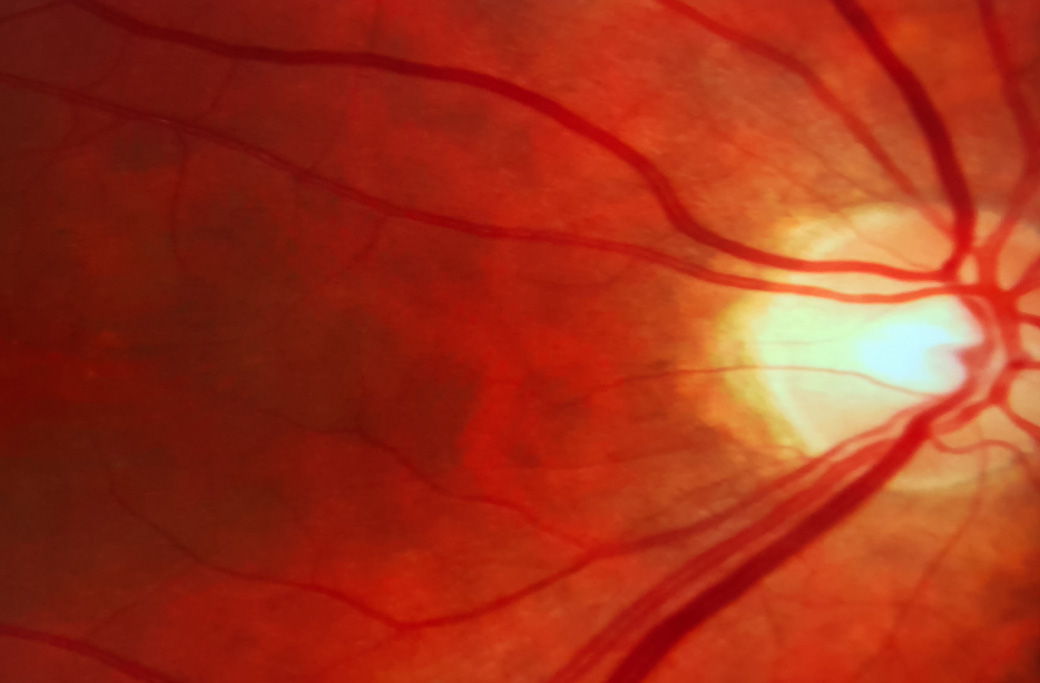
If you suddenly develop flashes, new floaters, or a significant change in your vision, contact an eye specialist promptly. A comprehensive dilated eye examination can determine whether the retina is intact and whether additional testing is needed.
MERSI’s retina specialists use advanced diagnostic imaging and comprehensive retinal examinations to evaluate sudden vision changes.
Don’t Ignore Sudden Flashes and Floaters
Most flashes and floaters are not a sign of permanent vision loss, but new or rapidly changing symptoms deserve prompt attention. A retinal examination can determine whether the changes are related to normal vitreous changes or a condition requiring treatment.
If you’ve suddenly developed flashes, new floaters, or other unexpected changes in your vision, contact MERSI for prompt evaluation.
Frequently Asked Questions
Are flashes and floaters always serious?
No. Flashes and floaters are often related to normal changes in the vitreous as you age. However, sudden or significantly increased flashes and floaters can sometimes indicate a retinal tear or detachment and should be evaluated promptly.
Are flashes and floaters an emergency?
They can be. Sudden flashes or a sudden increase in floaters, particularly when accompanied by a curtain-like shadow, peripheral vision loss, or sudden vision loss, require immediate eye evaluation.
Can flashes and floaters go away?
They may become less noticeable over time, particularly when caused by normal vitreous changes. However, new symptoms should still be evaluated to make sure there is no retinal tear or other serious condition.
What causes flashes of light in your vision?
Flashes can occur when the vitreous pulls on or stimulates the retina. They are commonly associated with age-related changes inside the eye, but sudden flashes can sometimes indicate a retinal tear.
When should I worry about floaters?
Be particularly concerned about floaters that appear suddenly, increase dramatically, or occur with flashes, a shadow or curtain in your vision, peripheral vision loss, or sudden vision loss.