
Dry age-related macular degeneration (dry AMD) is a progressive eye condition that affects the macula, leading to gradual central vision loss. Modern dry macular degeneration treatments now include innovative options such as Valeda light therapy, which is designed to slow disease progression in eligible patients.
Vision is arguably our most precious sense. It connects us to our loved ones, allows us to navigate the world independently, and lets us enjoy the simple beauty of our surroundings. However, as we age, the risk of developing conditions that threaten this independence increases. Among the most prevalent of these conditions is age-related macular degeneration (AMD).
For years, patients diagnosed with the “dry” form of this disease were often told to take vitamins and simply monitor their vision, with few proactive treatment options available. That landscape is changing. With the introduction of advanced technologies like photobiomodulation, there is renewed hope for preserving vision longer.
At Massachusetts Eye Research & Surgery Institution (MERSI), we understand the anxiety that comes with a diagnosis of retinal disease. As a leading center for ocular immunology and vitreoretinal surgery in the Boston and Waltham area, we are committed to bringing the latest advancements, including the new Valeda Light Delivery System, directly to our patients.
What Is Dry Age-Related Macular Degeneration?

To understand dry AMD, you first need to understand the macula. The macula is the small, central part of the retina located at the back of the eye. It is responsible for your sharp central vision, the ability to see fine details when you look directly at something, like a book or a face.
What Causes Dry AMD?
Dry AMD occurs when the macula thins over time as part of the aging process. As the tissue deteriorates, tiny clumps of protein called drusen begin to grow under the retina. While small amounts of drusen are common in people over 50, an increase in size and number is a primary indicator of AMD.
While aging is the primary driver, other factors play a significant role:
-
- Genetics: A family history of AMD increases your risk.
- Lifestyle: Smoking is a major risk factor, as is a diet high in saturated fats.
- Environmental Factors: Long-term exposure to UV light without protection can contribute to retinal damage.
It is important to distinguish dry AMD from wet AMD. Dry AMD is characterized by the thinning of the macula and the accumulation of drusen. Wet AMD, which is less common but more severe, involves the growth of abnormal blood vessels that leak fluid or blood into the macula.
How Common Is Dry AMD?
Dry AMD is by far the most common form of the disease, accounting for approximately 80% to 90% of all AMD cases. Since it typically progresses slowly, many older adults may not notice changes in their vision until the disease has reached an intermediate stage. This “silent” progression makes regular eye exams essential for anyone over the age of 50.
Early Signs and Symptoms of Dry AMD

Since dry AMD is painless, symptoms often develop gradually. You might not realize anything is wrong until you cover one eye and notice a discrepancy in your vision, or until your doctor spots drusen during an exam.
Common Symptoms to Watch For
If you experience any of the following, it is vital to schedule an evaluation:
-
- Blurry Central Vision: Objects in the center of your field of view may look fuzzy or washed out.
- Difficulty with Detail: You may struggle to read fine print, thread a needle, or recognize faces from a distance.
- Reduced Contrast Sensitivity: Colors may appear less vibrant or bright than they used to.
- Need for More Light: You might find yourself needing brighter lighting for reading or close-up tasks.
- Distortion: Straight lines (like a door frame or lines of text) may appear wavy or bent.
When to See a Retina Specialist
Early intervention significantly improves long-term outcomes. If you notice even minor changes in your sight, do not wait. Specialized diagnostic testing can reveal cellular changes in the retina long before they cause noticeable vision loss. Seeing a retina specialist at MERSI ensures you have access to the most advanced diagnostic tools available.
How Dry AMD Is Diagnosed
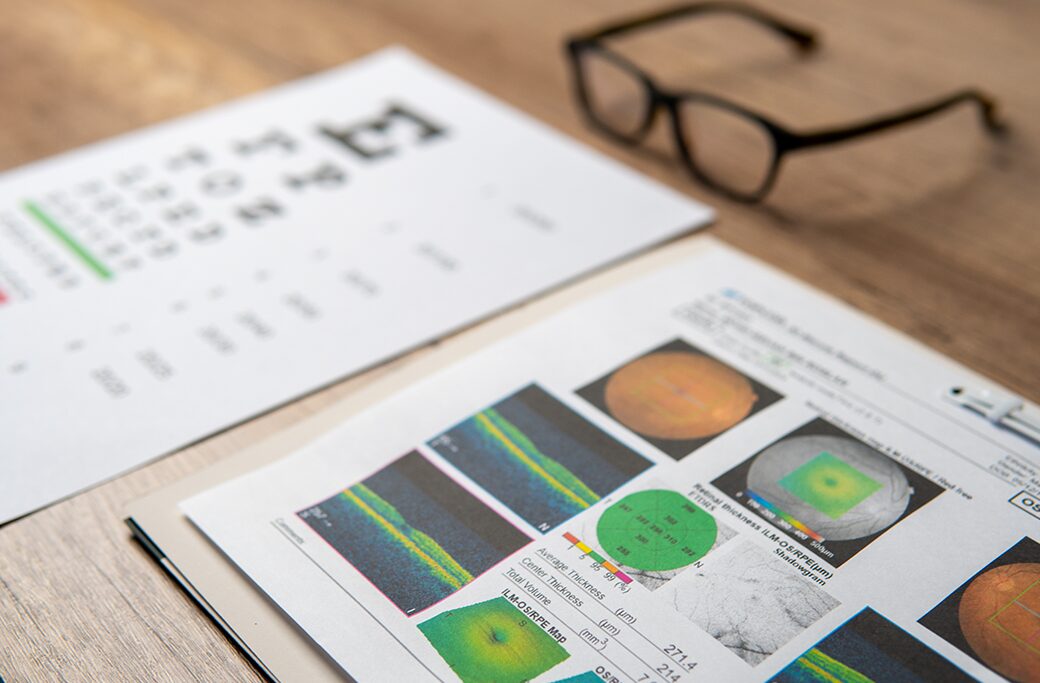
Accurately diagnosing dry AMD requires more than a standard vision screening. It demands a comprehensive look at the back of the eye.
Comprehensive Eye Exams for AMD
At MERSI, our fellowship-trained ophthalmologists use a variety of tests to evaluate retinal health:
-
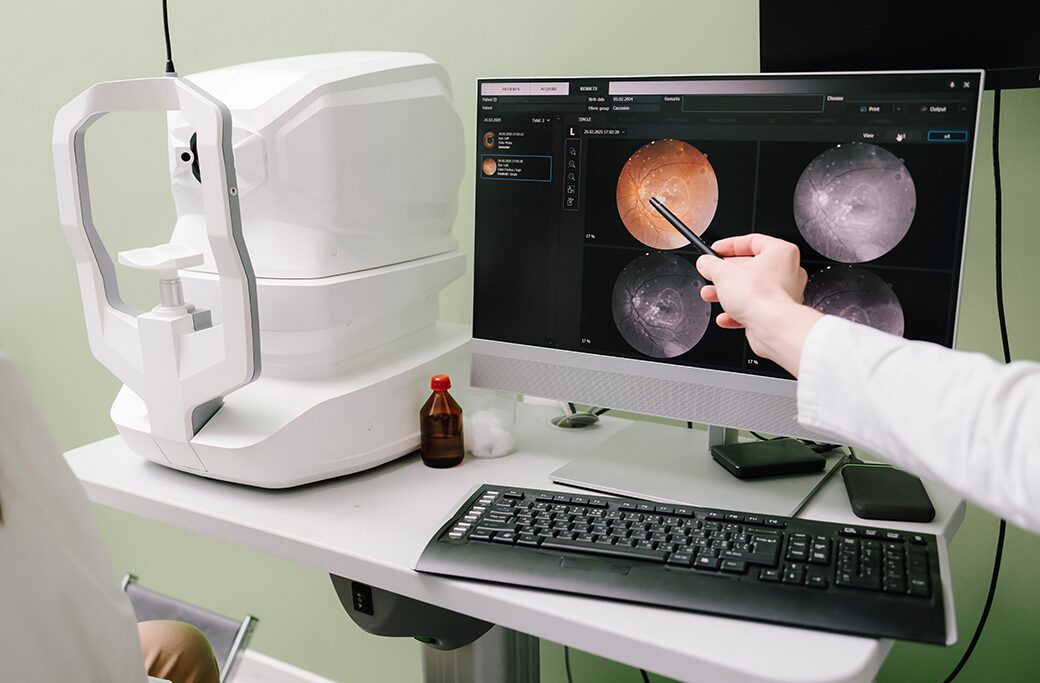
- Dilated Retinal Exams: Eye drops are used to widen the pupil, allowing the doctor to view the macula and check for drusen.
- Optical Coherence Tomography (OCT): This non-invasive imaging test takes cross-sectional pictures of the retina, allowing specialists to see the layers of the retina and measure thickness.
- Functional Testing: Tests that measure how well the retina processes light and contrast.
Why Accurate Diagnosis Matters
Determining the exact stage of AMD, whether early, intermediate, or late, is critical. An accurate diagnosis helps your doctor determine if you are a candidate for specific interventions, such as nutritional supplements or the new Valeda therapy, which is specifically authorized for certain stages of dry AMD.
Dry Macular Degeneration Treatment Options
For decades, the approach to dry AMD was largely defensive. The goal was to slow the disease down rather than treat the underlying cellular dysfunction.
Traditional Dry AMD Management
Standard care often involves the AREDS2 formula, a specific combination of vitamins and minerals (Vitamin C, Vitamin E, Zinc, Copper, Lutein, and Zeaxanthin) shown to reduce the risk of progression in intermediate AMD. Doctors also strongly advise lifestyle changes, such as quitting smoking, wearing UV-protective sunglasses, and eating a diet rich in leafy greens and fish.
Limitations of Traditional Treatments
While supplements and lifestyle changes are essential, they have limitations. They support the body, but they do not actively stimulate the retinal cells to function better. This gap in treatment is why recent advancements in photobiomodulation are so significant.
What Is Valeda Therapy for Dry AMD?
MERSI is excited to offer Valeda, the first and only FDA-authorized treatment for dry age-related macular degeneration using photobiomodulation.
How Valeda Light Therapy Works
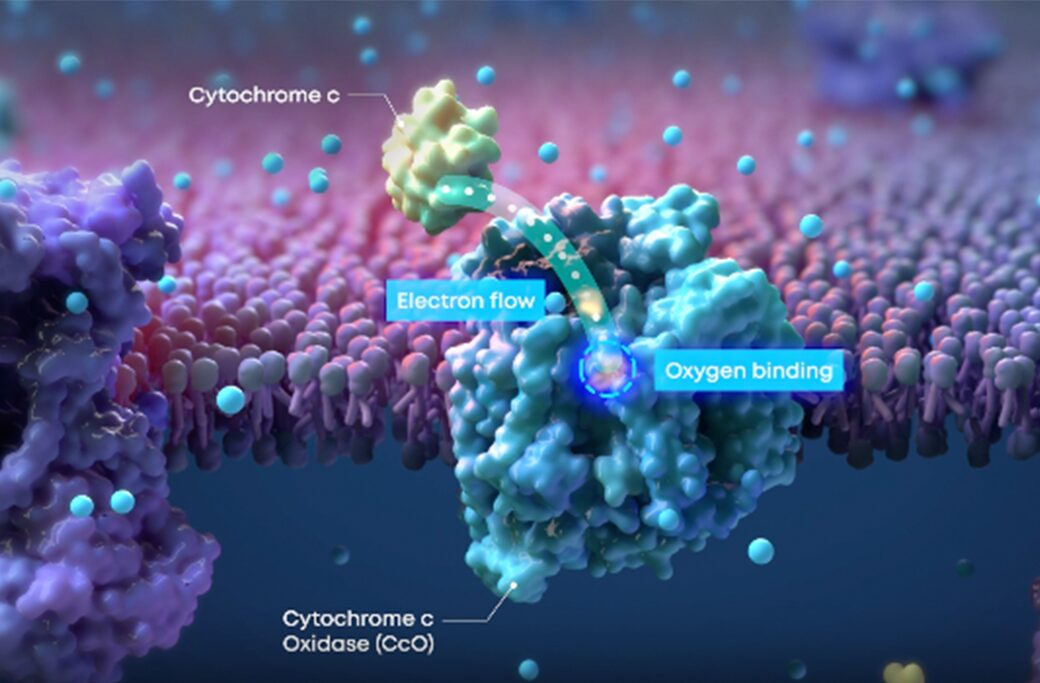
Valeda uses a process called photobiomodulation (PBM). This technology delivers specific wavelengths of light to the retina. Much like photosynthesis in plants, this light energy stimulates the mitochondria, the powerhouse of the retinal cells. This boost in energy helps improve cellular function and health, potentially slowing the degenerative process associated with dry AMD.
Who May Be a Candidate for Valeda Therapy
Valeda is generally best suited for patients with early to intermediate dry AMD. It is not typically used for late-stage geographic atrophy where vision has already been permanently lost. A thorough evaluation by a MERSI retina specialist is required to determine if your specific condition will benefit from this therapy.
What Patients Can Expect During Treatment
The Valeda treatment is non-invasive and performed right in our office.
-
- Comfort: The procedure is painless.
- Duration: Each session takes less than 10 minutes.
- Schedule: A typical course involves a series of treatments spread over several weeks, which may be repeated periodically to maintain benefits.
Benefits of Valeda Therapy for Dry AMD
This therapy represents a paradigm shift in how we approach dry AMD, moving from passive monitoring to active cellular support.
Potential Advantages Over Traditional Care
The primary benefit of Valeda is its ability to improve visual outcomes by targeting the cellular cause of the decline.
-
- Slows Progression: Helps delay the advancement of the disease.
- Supports Function: Stimulates energy production in retinal cells.
- Drug-Free: It is a non-surgical, drug-free alternative for patients who want to be proactive about their eye health.
Clinical Research & FDA Status
Clinical trials have demonstrated the safety and efficacy of PBM for dry AMD. Valeda is the first device to receive FDA authorization specifically for this use, providing a regulated, scientifically backed option for patients.
Why Early Treatment Matters for Dry AMD
The “wait and see” approach can be risky with degenerative eye diseases. Without intervention, dry AMD can progress to geographic atrophy, causing permanent blind spots in central vision. This can make driving, reading, and living independently difficult or impossible.
By initiating treatment options like Valeda and lifestyle modifications early, you increase your chances of preserving functional vision for years to come. Maintaining your vision means maintaining your quality of life.
Why Choose MERSI for Dry AMD Treatment in Massachusetts
When dealing with complex conditions like macular degeneration, who you choose for your care matters.
Specialized Retina Expertise
MERSI is not a general optometry shop; we are a specialized medical and surgical institution. Our team includes renowned experts like Dr. Peter Y. Chang and Dr. Stephen D. Anesi. Our physicians are fellowship-trained and have extensive experience managing the most complex retinal and inflammatory eye diseases.
Access to Advanced AMD Treatments
We pride ourselves on remaining at the forefront of ophthalmic innovation. Whether it is being the first to perform new surgical implants or offering the latest light therapies like Valeda, MERSI ensures our patients have access to cutting-edge care that isn’t available everywhere.
Convenient Care for Boston & Waltham Area Patients
Located conveniently off I-95/128 in Waltham, MERSI offers world-class eye care without the hassle of navigating downtown Boston traffic. Our facility is designed for patient comfort, offering advanced testing, treatment, and consultation all under one roof.
Dry Macular Degeneration Treatment: Early Signs & Valeda Therapy
Your vision is worth protecting. If you have been diagnosed with dry AMD or are experiencing symptoms like blurriness or distortion, do not accept vision loss as an inevitable part of aging. Early evaluation is the key to maintaining your independence.
Schedule a consultation with our retina specialists at MERSI today to discuss if Valeda therapy is right for you.
Frequently Asked Questions
What is the most effective treatment for dry macular degeneration?
Dry macular degeneration treatment focuses on slowing disease progression. This includes AREDS2 supplements, lifestyle changes, and advanced options like Valeda light therapy for eligible patients. A retina specialist can help create a personalized plan to manage the condition effectively based on your needs.
Who is a good candidate for Valeda light therapy for dry AMD?
Valeda light therapy works best for patients with early to intermediate dry AMD without severe retinal damage. Individuals without significant geographic atrophy are ideal candidates. A retinal exam at MERSI can confirm if you qualify for this treatment.
Can dry macular degeneration be stopped or slowed?
While dry AMD can’t be reversed, its progression can be slowed. Protecting eyes from UV light, quitting smoking, taking AREDS2 supplements, and using therapies like Valeda can help preserve vision. Early intervention is key to effective management.
How is dry AMD diagnosed by a retina specialist?
Dry AMD is diagnosed with a dilated eye exam and imaging tools like Optical Coherence Tomography (OCT). These methods help the specialist see retinal layers and detect drusen. Regular eye exams are critical for early detection and treatment.
Where can I get dry macular degeneration treatment in Massachusetts?
MERSI in Waltham, MA, provides expert care for dry AMD. We offer advanced treatment options, including the FDA-authorized Valeda light therapy. A consultation at MERSI can help determine the right approach for managing your condition.
Can dry macular degeneration be cured?
There is no cure for dry AMD, but treatments focus on slowing progression and preserving vision. Supplements, lifestyle changes, and therapies like Valeda can help manage the disease. Early diagnosis offers the best chance at maintaining quality of vision.
Is Valeda therapy FDA approved for dry AMD?
Yes, Valeda light therapy is FDA-authorized for treating dry AMD. The FDA has reviewed and confirmed its safety and effectiveness for eligible patients. Consult your retina specialist to see if Valeda is right for you.