
Quick Answer: Uveitis treatment can last anywhere from a few weeks to several months, depending on the type, severity, and underlying cause of the inflammation. Some patients recover after a short course of treatment, while others with chronic or autoimmune-related uveitis may require ongoing monitoring and long-term therapy to prevent recurrence and protect their vision.
Why Does Uveitis Recovery Time Vary?
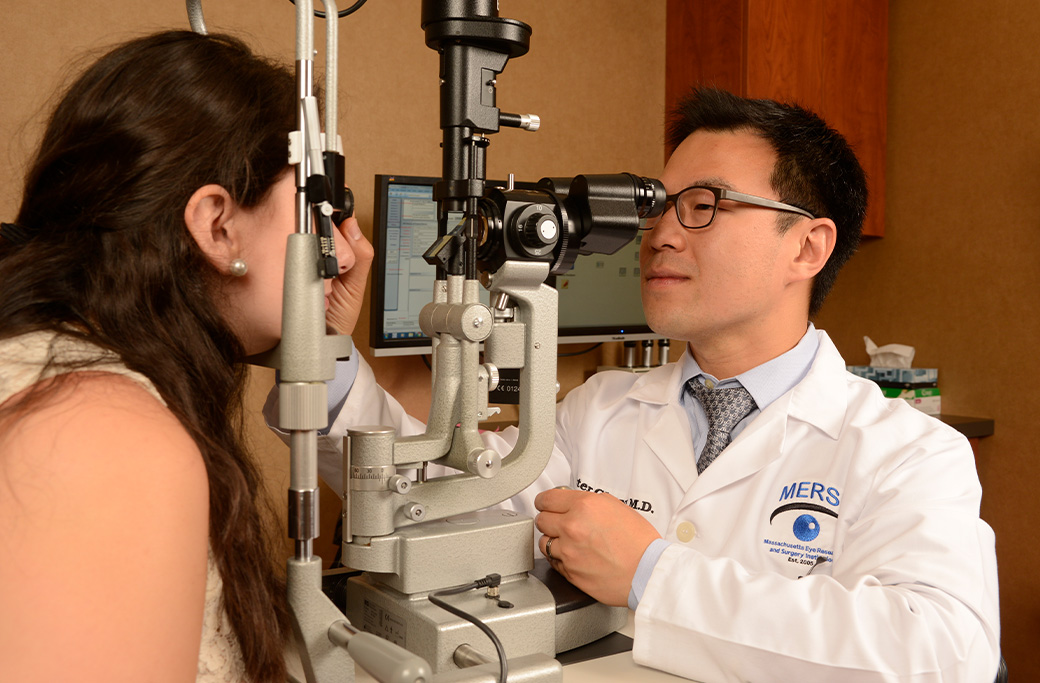
There is no single recovery timeline for uveitis. Treatment depends on several factors, including:
-
- The type of uveitis (anterior, intermediate, posterior, or panuveitis)
- How severe the inflammation is
- Whether one or both eyes are affected
- The underlying cause, such as an autoimmune disease or infection
- How quickly treatment begins
Patients who receive prompt diagnosis and treatment often recover more quickly and have a lower risk of vision-threatening complications.
Learn more about the condition in What Is Uveitis? Symptoms, Causes, Diagnosis & Treatment.
How Long Does Uveitis Last?
Some cases of acute anterior uveitis improve within a few weeks when treated promptly with corticosteroid eye drops and other medications.
More complex forms, including posterior uveitis or panuveitis, may require treatment for several months. Chronic uveitis can persist for years and often requires long-term management to control inflammation and reduce the risk of flare-ups.
Since every patient is different, your ophthalmologist will tailor your treatment plan based on how your eye responds over time.
What Affects Uveitis Recovery?

Several factors influence how long treatment may be needed, including:
Underlying Cause
If uveitis is associated with an autoimmune disease, treatment may involve medications that help control the immune system in addition to reducing eye inflammation.
Severity of Inflammation
More severe inflammation often requires longer treatment and closer monitoring to ensure the eye heals properly.
Response to Treatment
Some patients improve quickly with eye drops or oral medications, while others may require injections or IV infusion therapy to achieve better control.
Will My Vision Return to Normal?
Many patients experience significant improvement once inflammation is controlled, especially when treatment begins early.
However, severe or prolonged inflammation can sometimes lead to complications such as:
-
- Cataracts
- Glaucoma
- Macular edema
- Retinal damage
Early diagnosis and consistent follow-up help reduce the risk of permanent vision loss.
Learn more in Is Uveitis Serious? Risks, Causes & Vision Loss.
Can Uveitis Come Back?

Yes. Some patients experience only one episode of uveitis, while others develop recurring or chronic inflammation.
If uveitis returns, your ophthalmologist may recommend additional testing or long-term medications to reduce future flare-ups. Regular follow-up appointments are an important part of protecting your vision.
When Should You Follow Up With Your Eye Specialist?
Even if your symptoms improve, it is important to attend all scheduled follow-up visits. Your specialist will monitor the inflammation, adjust medications as needed, and watch for complications that may develop during recovery.
Key Takeaway
Uveitis recovery time varies from patient to patient. While some cases resolve within a few weeks, others require months of treatment or ongoing management. Early diagnosis, appropriate treatment, and regular follow-up are the best ways to protect your vision and improve long-term outcomes.
Schedule a Uveitis Evaluation at MERSI
If you have been diagnosed with uveitis or are experiencing symptoms of eye inflammation, the specialists at MERSI provide comprehensive evaluation and personalized treatment for inflammatory eye diseases.
Using advanced diagnostic imaging and individualized treatment plans, our team works to control inflammation, preserve vision, and monitor your recovery every step of the way. Contact MERSI to schedule a uveitis evaluation.
Frequently Asked Questions
How long does uveitis treatment usually take?
Treatment may last from several weeks to several months, depending on the type of uveitis, its severity, and the underlying cause.
How long does uveitis last?
Acute uveitis often improves within a few weeks with treatment, while chronic uveitis may require ongoing management to prevent flare-ups.
Can uveitis become a long-term condition?
Yes. Some patients develop chronic or recurrent uveitis that requires long-term monitoring and treatment.
Does early treatment shorten recovery time?
Yes. Prompt diagnosis and treatment help control inflammation sooner and reduce the risk of permanent vision complications.
Can uveitis come back after treatment?
Yes. Some forms of uveitis can recur, making regular follow-up with an eye specialist important even after symptoms improve.