
Is Uveitis Serious? Risks, Causes & Vision Loss
Yes, uveitis is a serious inflammatory eye condition that can threaten vision if it is not diagnosed and treated early. It occurs when inflammation develops inside the eye and begins affecting delicate structures such as the retina, optic nerve, or lens. Since these structures are essential for clear vision, ongoing inflammation can lead to permanent damage if left untreated.
The seriousness of uveitis comes from how unpredictable it can be. Some patients experience sudden symptoms, while others develop gradual inflammation that quietly worsens over time. In both cases, early evaluation by a specialist is essential to protect long-term vision.
What Is Uveitis?
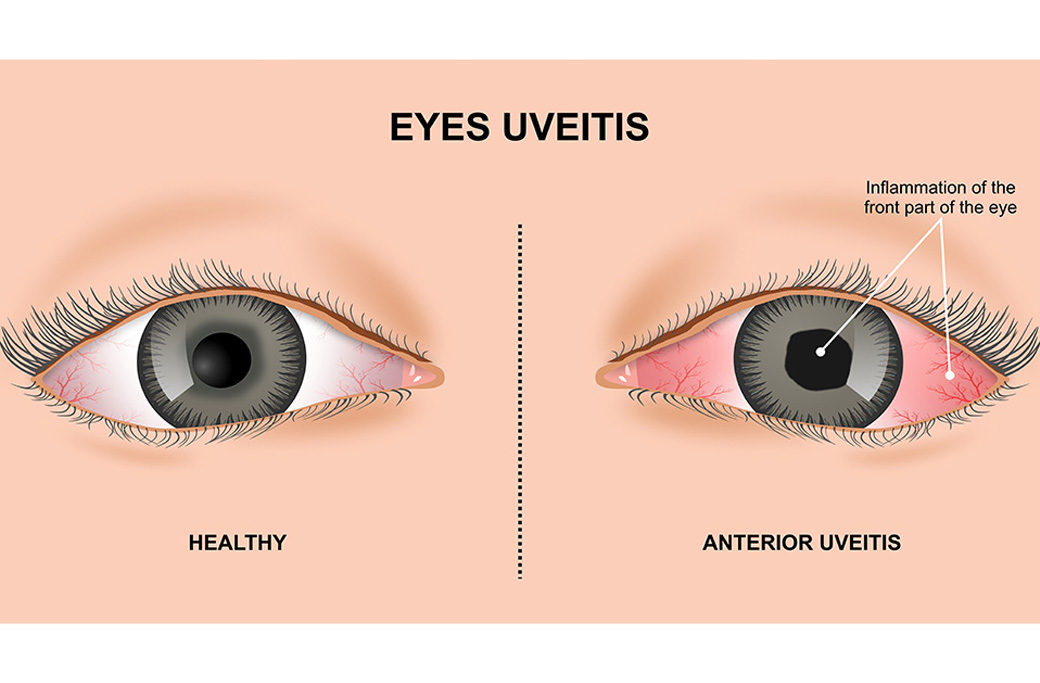
Uveitis refers to inflammation of the uvea, the middle layer of the eye. This structure plays an important role in nourishing and supporting the eye’s internal anatomy. When inflammation occurs, it can affect different parts of the eye, depending on the type and severity of the condition.
There are several forms of uveitis, including anterior uveitis, intermediate uveitis, posterior uveitis, and panuveitis. Posterior uveitis is often the most concerning for vision, because it can involve the retina directly.
Due to this overlap with retinal disease, uveitis is frequently managed through both retinal and ocular immunology expertise.
Why Uveitis Can Become Serious
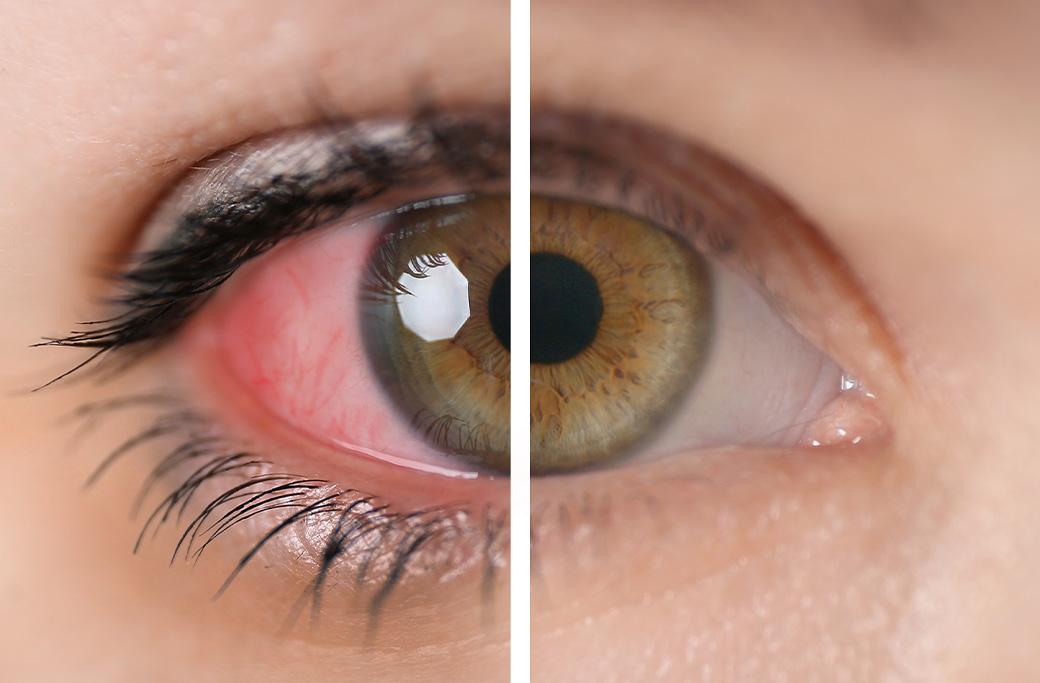
Uveitis becomes dangerous when inflammation is not fully controlled or continues to return over time. Even if symptoms temporarily improve, underlying inflammation can still cause ongoing damage inside the eye.
Over time, untreated or poorly controlled uveitis can lead to complications, such as swelling in the central retina (macular edema), increased eye pressure, or structural damage within the eye. These changes can permanently reduce vision if not addressed.
In more advanced cases, inflammation may also trigger scar tissue formation, cataracts, or optic nerve damage. This is why uveitis is considered a potentially vision-threatening condition, rather than a simple eye irritation.
Symptoms Patients Should Not Ignore

Uveitis symptoms can vary widely depending on which part of the eye is affected. Some patients notice sudden changes, while others experience a slow decline in vision clarity.
Common symptoms include eye pain, redness, light sensitivity, blurred vision, and floaters or dark spots in the visual field. In more severe cases, patients may also notice difficulty focusing or a general dimming of vision.
Since these symptoms can overlap with less serious conditions, many patients delay care. However, even mild or intermittent symptoms should be evaluated, especially if they persist or worsen.
How Uveitis Is Treated
Treatment for uveitis depends on the cause, severity, and how the immune system is affecting the eye. The primary goal is always to reduce inflammation quickly and prevent long-term structural damage.
Mild cases may be managed with steroid eye drops or oral anti-inflammatory medications. More complex or chronic cases may require intravenous immunomodulatory therapy, including biologic treatments to control the immune response driving inflammation.
In severe or treatment-resistant cases, patients may need advanced therapies delivered in a controlled clinical setting under close supervision. These treatments are designed to stabilize inflammation and preserve vision over time.
Why Patients Near Boston Choose MERSI for Uveitis Care
Patients from across the Boston area seek care at MERSI because uveitis requires highly specialized evaluation and long-term management. The condition is not always straightforward, and treatment often needs to be adjusted over time based on how inflammation responds.
At MERSI in Waltham, patients are evaluated by fellowship-trained specialists with expertise in both retinal disease and ocular immunology. This allows for a more complete approach to diagnosing and managing complex inflammation.
Care is also supported by advanced imaging, long-term monitoring strategies, and access to infusion-based therapies when needed. This coordinated approach is especially important for patients with chronic or recurrent uveitis.
When to Seek Immediate Care
Uveitis should be evaluated urgently if symptoms appear suddenly or worsen quickly. This includes new eye pain, redness, or sensitivity to light, especially when combined with vision changes.
Patients should also seek prompt evaluation if they notice new floaters, flashing lights, or a sudden decrease in visual clarity. These symptoms may indicate active inflammation affecting deeper structures of the eye.
Early treatment significantly improves the likelihood of preserving vision and preventing permanent damage.
Is Uveitis Serious? Risks, Causes & Vision Loss
Uveitis is a serious inflammatory eye condition, but with early diagnosis and specialized treatment, many patients can achieve long-term control of inflammation and protect their vision.
Patients in the Boston area can access advanced evaluation and treatment at MERSI in Waltham. If symptoms are present, timely care is essential to preventing lasting vision loss.
Frequently Asked Questions About Uveitis
Is uveitis serious?
Yes. Uveitis is a serious inflammatory eye condition that can lead to vision loss if not treated early. Prompt diagnosis and specialist care are essential to prevent permanent damage.
Can uveitis cause blindness?
In severe or untreated cases, uveitis can damage the retina and optic nerve, which may result in permanent vision loss. Early treatment significantly reduces this risk.
What is the main cause of uveitis?
Uveitis can be caused by autoimmune disease, infection, or inflammatory disorders. In some cases, the exact cause is not identified, which is why specialist evaluation is important.
How is uveitis treated?
Treatment depends on severity, but may include steroid eye drops, oral medications, or advanced immunomodulatory therapies. More severe cases may require long-term specialty care to control inflammation.
When should I see a doctor for uveitis?
You should seek prompt evaluation if you experience eye pain, redness, light sensitivity, or sudden changes in vision. Early treatment is vital to protecting eyesight.