
When it comes to your vision, the level of expertise your doctor possesses makes a significant difference in your outcome. Modern ophthalmology has grown increasingly complex, with new treatments, technologies, and surgical techniques emerging rapidly. This rapid evolution means that general knowledge is often no longer enough for managing serious or chronic eye conditions.
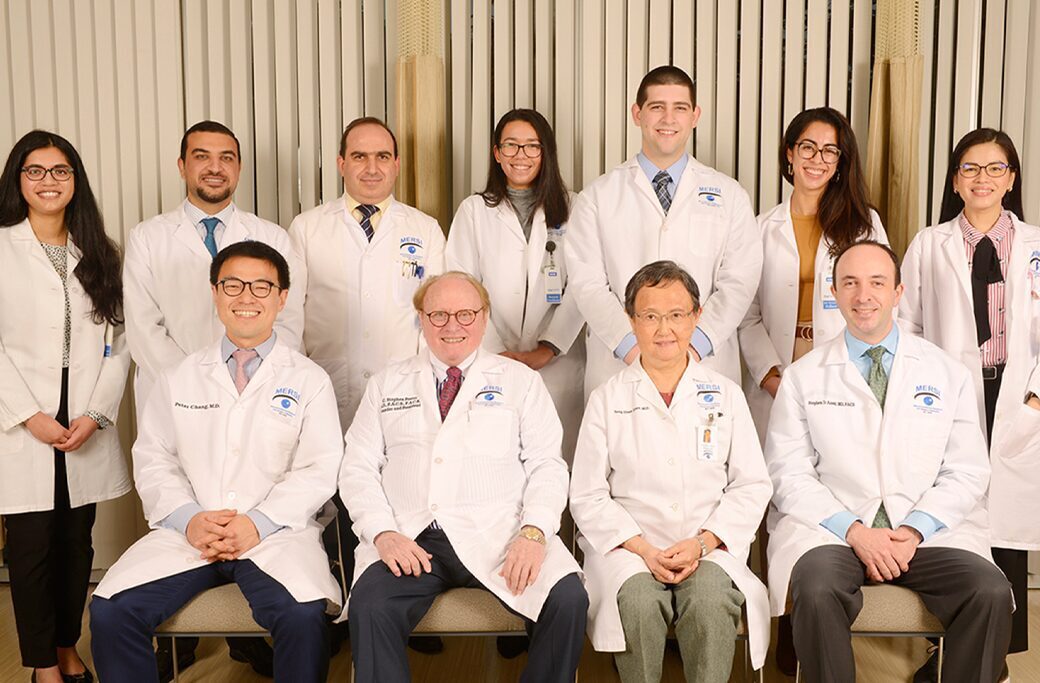
This is where fellowship training comes in. Fellowship training is an additional, intensive period of specialized medical education that an ophthalmologist completes after their standard 4-year residency. A fellowship ranges from 1 to 2 years, and focuses on a specific area of eye care—such as the retina, cornea, glaucoma, uveitis & ocular inflammatory disease—allowing the physician to master the most advanced treatments and surgeries in that subspecialty. At MERSI (Massachusetts Eye Research and Surgery Institution), our commitment to this level of advanced training ensures that patients receive the highest standard of care available.
Medical School, Residency, and Fellowship Explained
To understand the value of a fellowship-trained ophthalmologist, it helps to look at the educational path one has traveled. Every ophthalmologist completes four years of medical school followed by a one-year internship and a three-year residency in general ophthalmology. During residency, a doctor is trained in all aspects of eye care, from prescribing eyeglasses and contact lenses, diagnosis of eye diseases, interpretation of diagnostic testing, and ultimately to surgical management of conditions such as cataracts, pterygium, and strabismus.
Fellowship training represents the next tier of excellence and specialization. This is an elective, one- to two-year program where a physician works alongside leaders in a specific field. During this time, they focus exclusively on one part of the eye or one category of disease. This rigorous process transforms a general ophthalmologist into a subspecialist capable of handling the most difficult medical and surgical challenges. While a fellowship-trained subspecialist can and may perform more basic surgical procedures (such as routine cataract extraction and glaucoma laser), a general ophthalmologist does not typically perform more complex, high-risk surgeries such as pars plana vitrectomy or trabeculectomy.
How Fellowship Training Goes Beyond Standard Eye Care
While a general eye doctor is excellent for routine care, fellowship training provides exposure to complex and rare eye conditions that generalists may only see once or twice in their careers.
For example, a fellowship-trained ophthalmologist at MERSI has performed thousands of high-stakes procedures. They have studied the nuances of diseases that don’t respond to standard treatments. This “deep dive” into a specialty allows them to offer advanced surgical techniques and nuance in diagnosis that goes far beyond standard eye care.
Subspecialty Fellowship Training at MERSI
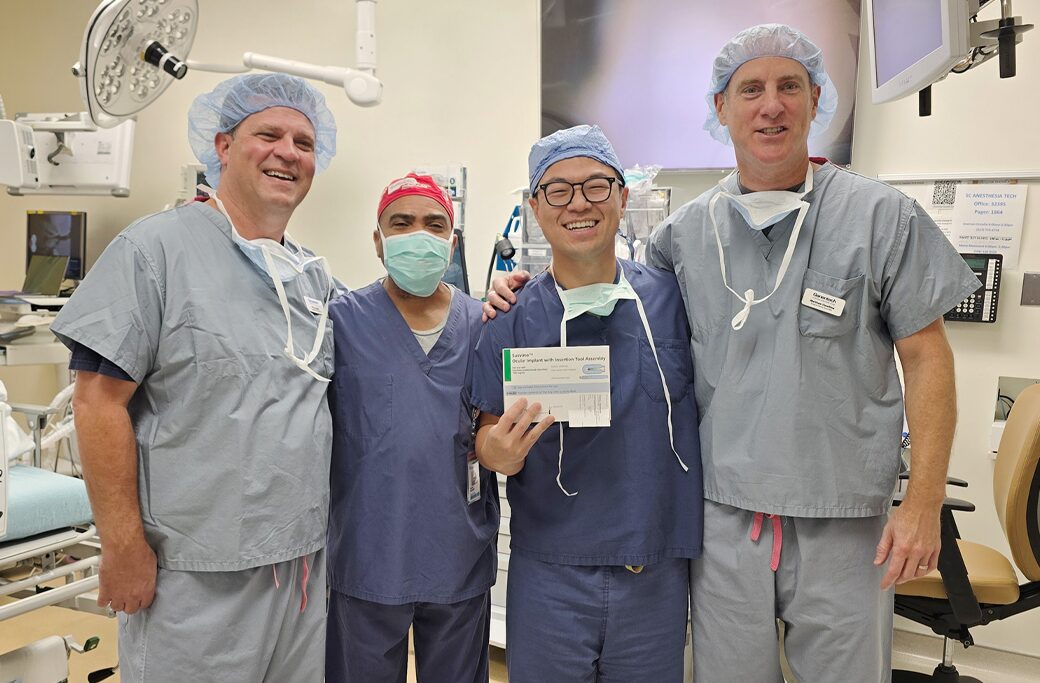
At MERSI, our team is composed of specialists who have dedicated their careers to mastering specific areas of eye health.
Uveitis & Ocular Inflammatory Diseases
MERSI is renowned for its expertise in ocular inflammatory diseases. There is a scarcity of properly trained ocular immunologists in both the U.S. and the world, and our institution has been a leader in training future inflammatory disease experts and conducting clinical research. Without timely and appropriately aggressive treatment, Uveitis and OID frequently result in irreversible blindness. Many patients with these conditions require more complex surgical techniques and equipment, and our fellowship-trained physicians at MERSI have ample experience in this.
Vireoretinal Surgery
VR specialists manage all retinal conditions, whether it requires medical or surgical interventions. These include but are not limited to age-related macular degeneration (AMD), diabetic retinopathy, vascular occlusion, macular pucker , macular hole, and various forms of retinal detachments. Their training involves mastering delicate microsurgeries and the latest intravitreal injection therapies to preserve sight in conditions that were once considered untreatable. Beside fellowship-trained in Uveitis and OID, some of our physicians have also undergone VR training, thus able to provide even more ranges of surgical services.
Why Fellowship Training Matters for Patients
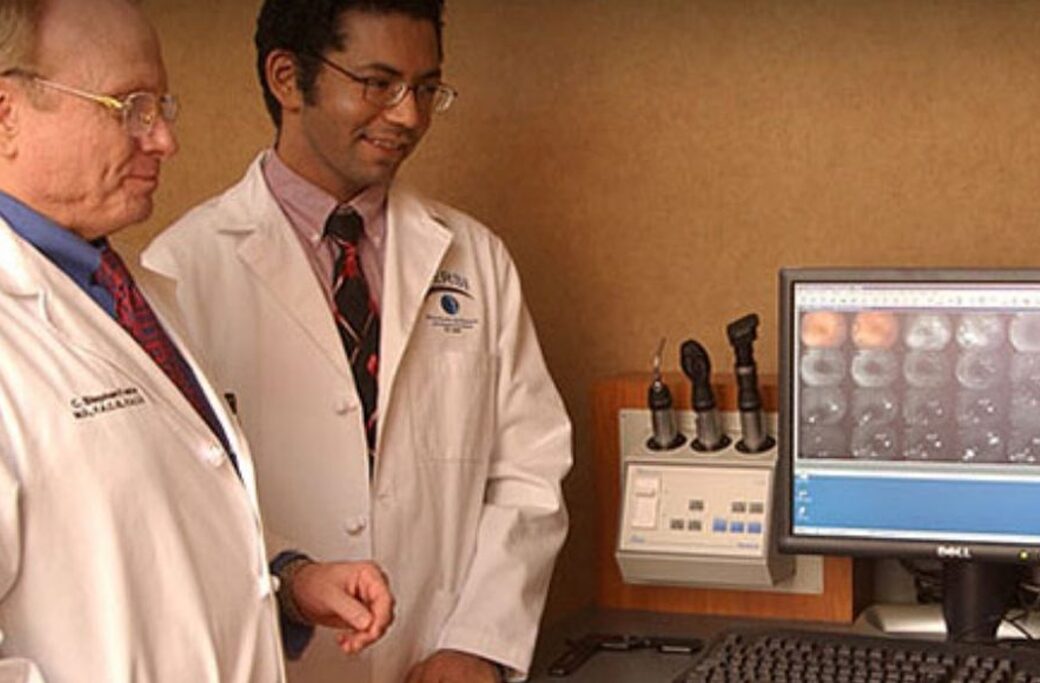
The benefits of choosing a fellowship-trained specialist are tangible and impact the quality of your care.
Improved Accuracy and Outcomes
Diagnostic accuracy is the foundation of effective treatment. Subspecialists have seen a higher volume of specific diseases, allowing them to identify subtle signs of progression that others might miss. This leads to more precise treatment planning. Whether it is deciding the exact moment to perform surgery or choosing the right medication, this expertise directly leads to better anatomical and functional/visual outcomes.
Expertise in Complex and Rare Conditions
Many patients come to MERSI after seeing many other providers who are unable to resolve their issues. This is because our physicians specialize in the “zebras” of medicine – rare and complex conditions that often require state-of-art equipment as well as a multidisciplinary approach. Our physicians are skilled in multiple subspecialties, allowing each to care for patients efficiently. For example, if a patient presents with uveitic glaucoma, our physician will treat both uveitis and glaucoma (in contrast, in other practices, that said patient will need to see at least 2 specialists separately).
Access to the Latest Treatments and Technology
Medicine moves fast. A generalist may not have the resources or training to utilize the absolute latest technology. Fellowship-trained doctors, particularly those in research institutions like MERSI, are early adopters of innovative therapies. We practice evidence-based care, meaning every treatment plan is backed by the latest scientific data.
How Fellowship-Trained Care Builds Patient Trust
Undergoing eye surgery or managing a chronic disease can be frightening. Knowing your doctor has achieved the highest level of training in their field provides peace of mind.
Confidence in Your Diagnosis and Treatment Plan
When you understand that your doctor is a fellowship trained subspecialist, you can have greater confidence in his recommendations. Our doctors prioritize clear communication, explaining not just what is happening to your eye, but why a specific treatment is the best path forward. This personalized care model empowers you to be an active participant in your care.
Continuity of Care and Long-Term Vision Health
Chronic eye conditions require a long-term partnership. Our specialists provide ongoing monitoring, adjusting treatments as your condition evolves over years or decades. We also work collaboratively with referring optometrists, ophthalmologists, and internists to ensure continuity of care.
Teaching, Research, and Innovation at MERSI
MERSI is a hybrid academic-private practice, dedicated to clinical training of the next generation of physicians. Aside from our own clinical and research fellowship program preparing young ophthalmologists for a career caring for complex patients, we are also a destination for medical students, interns, residents, fellows, and optometric students from various parts of the U.S. and abroad where they may spend weeks to months observing in our clinic, gaining exposure to knowledge and skills needed in caring for challenging cases.
Our fellowship-trained doctors are also involved in clinical trials, testing the next generation of medications and devices. This academic environment enables our team to stay at the cutting edge of medicine. When a patient comes to MERSI, they aren’t just getting standard care; they are potentially gaining access to breakthrough therapies before they are widely available.
What Patients Can Expect When They Choose MERSI
Team-Based Approach to Specialized Eye Care
At MERSI, you get the benefit of a team. Attending physicians and fellows often work together on cases. This is a tremendous benefit to the patient, as it means multiple doctors are reviewing your data, imaging, and treatment plan. This oversight and quality assurance are hallmarks of a top-tier academic institution.
Patient-Centered Experience
Despite our focus on high-level science, we never lose sight of the human element. We understand that behind every set of eyes is a person who wants to maintain their independence and quality of life. Our goal is to provide compassionate, expert care that makes you feel supported every step of the way.
Fellowship-Trained Ophthalmologists at MERSI: Why It Matters
MERSI has built a longstanding reputation in ophthalmology based on a commitment to education, innovation, and excellence. We are trusted by patients and referring physicians across the New England region and beyond. When you choose MERSI, you are choosing a center that defines the standard of specialized eye care.
Don’t leave your vision to chance. If you are managing a complex eye condition or seeking a second opinion, schedule an appointment with MERSI’s fellowship-trained ophthalmologists today. Experience the difference that specialized, advanced care can make for your sight.
Frequently Asked Questions About Fellowship-Trained Eye Doctors
1. What does it mean if an ophthalmologist is fellowship-trained?
It means the doctor has completed medical school, internship, residency, and an additional one or more years of specialized training in a specific area of eye care. This optional, rigorous training qualifies them as a subspecialist, giving them advanced expertise in diagnosing and treating complex conditions. However, being a subspecialist does not necessarily preclude one from practicing general ophthalmology. Our subspecialists at MERSI can and will take care of more routine conditions such as dry eyes & blepharitis, ocular hypertension, non-complex cataracts, and general eye health checks.
2. How does fellowship training benefit patients receiving eye care?
Patients benefit from higher diagnostic accuracy, access to the latest surgical techniques, and advanced treatment options. Fellowship-trained doctors are better equipped to handle complications and rare diseases. This often results in better long-term visual outcomes and a higher standard of safety for high-risk procedures.
3. Are fellows involved in patient care at MERSI?
Yes, our research fellows work closely with the attending physicians. After you are worked up by an ophthalmic technician, you may be seen by a fellow first. He or she takes a more detailed and relevant medical history, performs a slit lamp examination, and then formulate a diagnosis and treatment plan. The fellow then presents your case to the attending physician, who then confirms or modifies the plan as needed. In regards to surgical care, our research fellows may observe but never participate directly in surgery, and thus you can rest assured that your surgery is performed only by the attending physician.
4. Is there a difference between a general ophthalmologist and a fellowship-trained specialist?
Yes, a general ophthalmologist offers excellent care of dry eyes, blepharitis, cataract, mild to moderate glaucoma, and routine retinal monitoring and care. A fellowship-trained specialist generally possesses deeper knowledge and surgical skills for more complex conditions involving a few specific areas of the eye.
5. Does fellowship training improve outcomes for complex eye conditions?
Research indicates that high-volume specialists achieve superior results in complex surgeries. Fellowship-trained surgeons perform specific procedures frequently and manage difficult cases daily, allowing them to develop a proficiency that reduces complication rates. This focused expertise improves the likelihood of successful visual rehabilitation compared to providers who perform these procedures less often.