
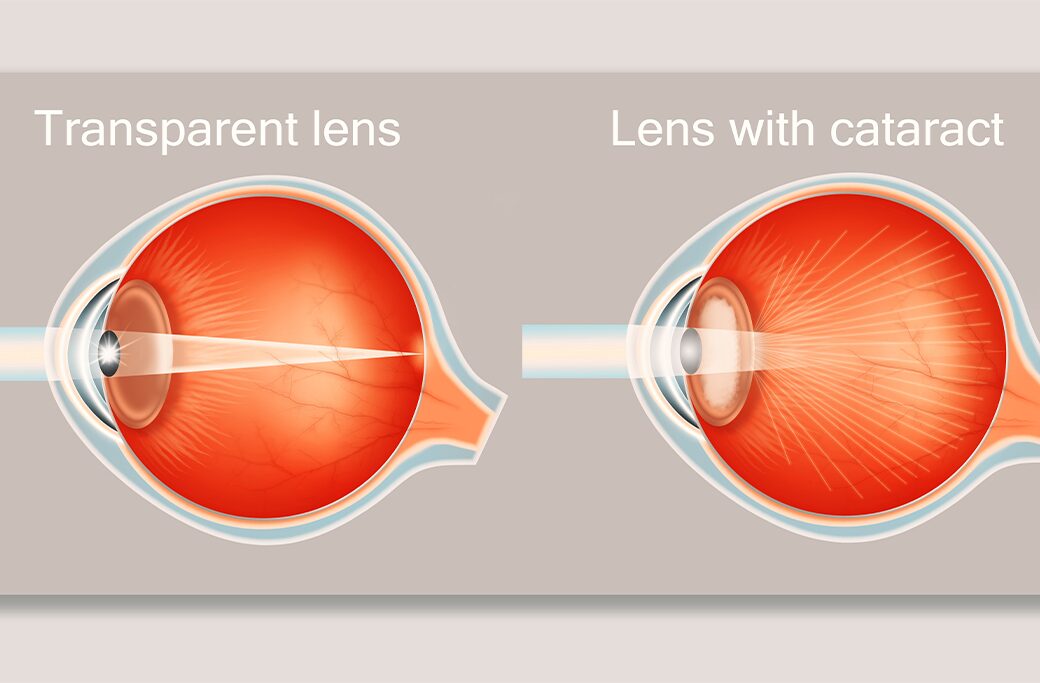
Cataracts are an inevitable part of the aging process. Much like a camera lens that has become smudged or cloudy over time, a cataract prevents light from focusing clearly on your retina. This results in blurry vision, faded colors, and difficulty seeing at night. While traditional surgery has restored sight to millions of people for decades, advances in medical technology have introduced a new standard of precision: femtosecond laser cataract surgery.
At MERSI (Massachusetts Eye Research and Surgery Institution), we utilize the state-of-the-art CATALYS Precision Laser System to offer patients a highly customized cataract treatment experience. If you are considering surgery to restore your vision, understanding the differences between manual techniques and laser-assisted cataract surgery is the first step toward making an informed decision.
Our guide explores how this advanced technology works, its benefits, and what you can expect during your recovery.
Understanding Laser-Assisted Cataract Surgery
Definition of Femtosecond Laser Technology
Femtosecond laser technology represents a significant leap forward in ophthalmic surgery. A femtosecond laser emits ultra-short pulses of cool, near-infrared light. These pulses occur at a speed of one quadrillionth of a second. This incredible speed allows the laser to create microscopic incisions and break up the cataract with minimal heat or energy, preserving the delicate surrounding tissues of the eye.
How it Differs from Manual Cataract Surgery
In traditional cataract surgery, the surgeon uses a handheld metal or diamond blade to create incisions in the cornea. They then use a needle to create an opening in the lens capsule (capsulotomy) and ultrasound energy to break up the cloudy lens.
In contrast, femtosecond laser cataract surgery automates these vital steps. The laser performs the corneal incisions, creates a perfectly circular capsulotomy, and softens the cataract nucleus. This reduces the amount of manual manipulation required by the surgeon and replaces handheld variables with computer-guided precision.
Role of Computer-Guided Precision
The advanced cataract surgery performed at MERSI relies on sophisticated 3D imaging. Before the laser is even activated, the system captures high-resolution images of your eye’s unique anatomy. This allows your surgeon to plan a laser cataract procedure customized to the micron, ensuring accuracy that is difficult to achieve by hand.
How the Femtosecond Laser Works
-
- Image-Guided Mapping: The CATALYS system scans the eye to create a 3D map of the cornea and lens.
- Ultra-Fast Laser Pulses: Based on this map, the laser is directed to specific depths within the eye to create incisions without damaging the outer layers until necessary.
- Accuracy and Consistency: The laser softens the hard cataract and creates the opening for the new lens, ensuring exact positioning.
How Femtosecond Laser Cataract Surgery Is Performed
Step-by-Step Overview of the Procedure
The journey to clear vision involves a few streamlined steps, optimized for patient safety and comfort.
-
- Pre-Surgical Measurements: Advanced imaging is used to measure the length of the eye and the curvature of the cornea. This data helps select the correct Intraocular Lens (IOL) power.
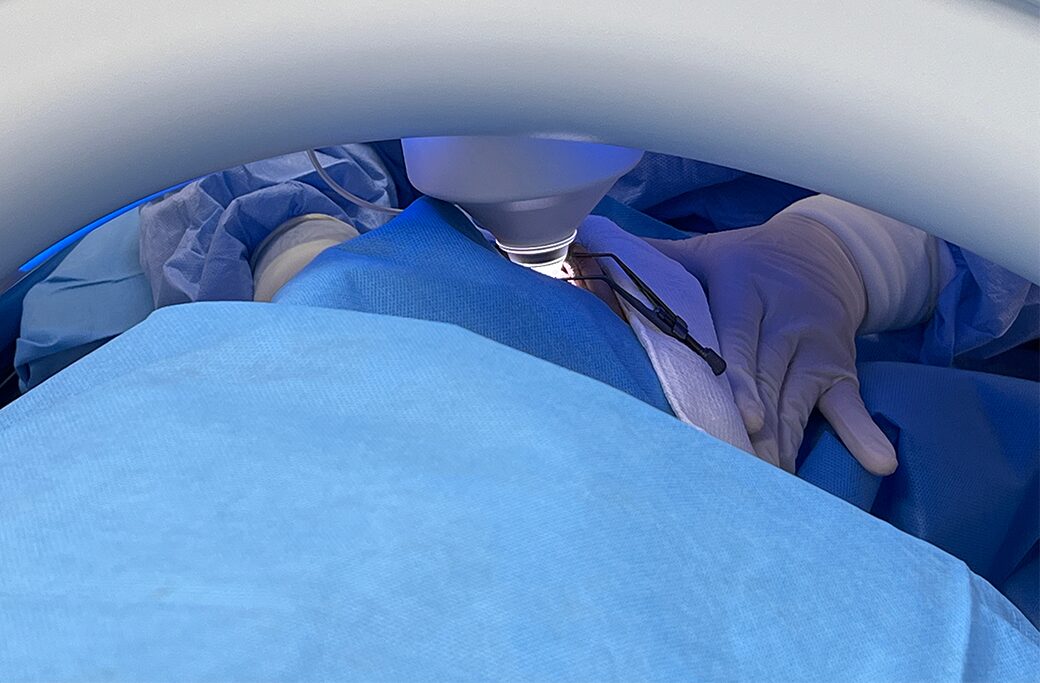
- Laser Application: You will be positioned under the laser system. The laser takes less than a minute to create the corneal incisions, open the lens capsule, and fragment (break up) the cloudy cataract.
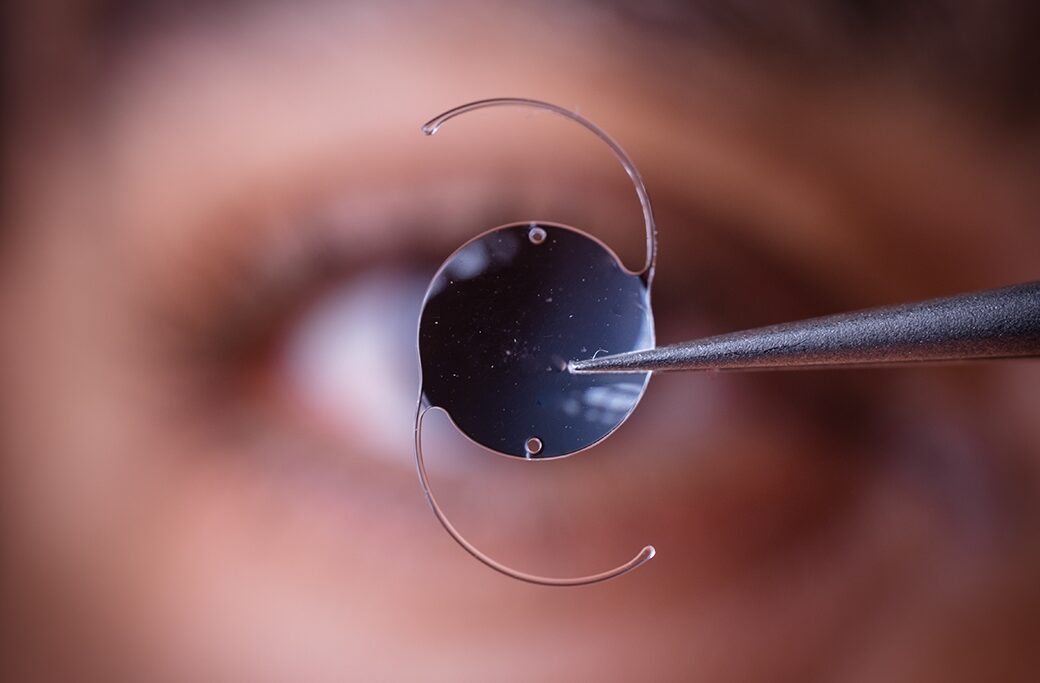
- Cataract Removal and IOL Placement: You are then moved to the surgical microscope. Since the laser has already softened the lens, the surgeon uses less ultrasonic energy to remove it. Finally, the artificial IOL is inserted through the self-sealing incision.
What Patients Experience During Surgery
At MERSI, cataract surgery is performed as an outpatient procedure. The entire process typically takes between 15 to 30 minutes. Patients receive topical anesthesia (numbing drops) and mild sedation to ensure they are relaxed and comfortable. Most patients report feeling only light pressure during the laser portion of the surgery, but no pain.
Advantages of Femtosecond Laser Cataract Surgery
Improved Precision and Consistency
One of the primary laser cataract surgery advantages is the ability to create a perfectly centered and circular opening in the lens capsule. This is vital, because it helps the new artificial lens sit effectively in the eye. A well-positioned lens leads to better visual outcomes and long-term stability.
Potential Visual Benefits
The precision of the laser allows surgeons to address astigmatism more accurately during the procedure. By creating specific relaxation incisions in the cornea, the laser can reshape the eye to correct mild astigmatism. Furthermore, this technology is the ideal companion for premium IOLs (such as multifocal or Toric lenses). These advanced lenses require exact alignment to function correctly, which the laser facilitates.
Safety and Predictability
Since the laser softens the cataract before removal, the surgeon uses significantly less ultrasound energy to extract it. Excessive ultrasound energy can sometimes cause swelling in the cornea. By reducing this energy, the benefits of laser cataract surgery include less trauma to the eye and potentially faster visual recovery.
Who Is a Good Candidate for Laser Cataract Surgery?
Ideal Candidates
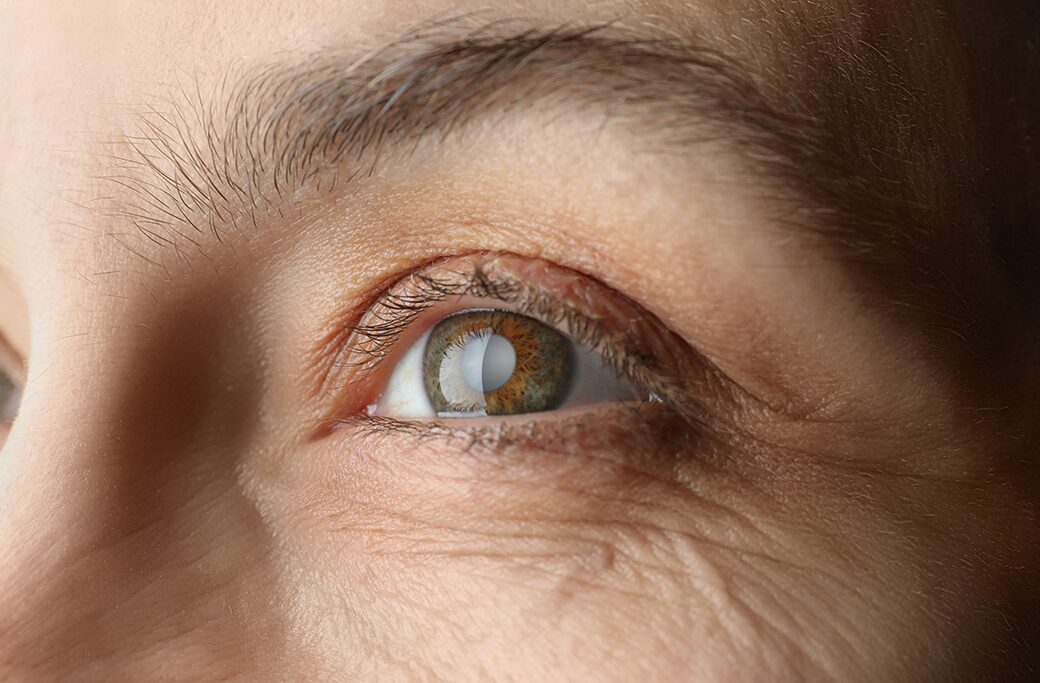
Most patients who are eligible for traditional cataract surgery are also candidates for the laser-assisted approach. You may be an ideal candidate if:
-
- You have cataracts that interfere with driving, reading, or daily activities.
- You have astigmatism that you wish to have corrected during surgery.
- You are interested in premium lens options to reduce your dependence on glasses for both near and distance vision.
When Traditional Cataract Surgery May Be Recommended
While laser surgery offers many benefits, it is not the right choice for everyone. Patients with certain corneal scars, pupils that do not dilate sufficiently, or advanced glaucoma may be better served by traditional manual surgery. Your MERSI surgeon will evaluate your specific eye anatomy to determine the safest approach.
Recovery Timeline After Femtosecond Laser Cataract Surgery
What to Expect Immediately After Surgery
Recovery begins the moment the procedure ends. Since this is an outpatient surgery, you will be discharged the same day. You will need a friend or family member to drive you home.
-
- Vision: Your vision may be blurry immediately after surgery due to the dilation drops and bright lights used during the procedure.
- Sensation: It is normal to feel mild itching or a “gritty” sensation, but you should not rub your eye.
First Week of Recovery
The cataract surgery recovery timeline is generally short.
-
- Medication: You will be prescribed antibiotic and anti-inflammatory eye drops to prevent infection and control swelling.
- Activity: Most patients can return to normal, non-strenuous activities within 24 hours. However, you should avoid heavy lifting, bending over at the waist, or swimming for at least a week.
- Follow-up: You will likely see your surgeon the day after surgery to check your eye pressure and healing progress.
Long-Term Healing and Vision Stabilization
Many patients notice significant improvement in their vision within the first few days. However, laser cataract surgery recovery continues as the eye heals over several weeks. Your vision will stabilize as the inflammation subsides. If you chose a premium multifocal lens, your brain might take a few weeks to adapt to the new way of seeing near and far.
Laser Cataract Surgery vs. Traditional Cataract Surgery
Key Differences Patients Should Know
-
- Incisions: Traditional surgery uses a hand-held blade; laser surgery uses a computer-guided beam of light.
- Lens Removal: Traditional surgery uses ultrasound energy to break up the lens; laser surgery softens the lens first, requiring less energy for removal.
- Astigmatism: Manual incisions to correct astigmatism are less predictable than those made by a laser.
Cost and Insurance Considerations
It is important to note that while medical insurance typically covers traditional cataract surgery (monofocal lenses), it often does not cover the cost of the laser portion or premium lenses. These are considered elective upgrades. During your consultation, our team will provide a clear breakdown of the costs so you can make a financial decision that suits your budget.
Why Choose MERSI for Laser Cataract Surgery
Advanced Technology and Surgical Expertise
MERSI is committed to providing patient-centered quality eye care. Our surgeons are fellowship-trained specialists who have performed thousands of successful procedures. We are proud to offer the CATALYS Precision Laser System, ensuring our patients have access to the most sophisticated technology available for cataract treatment.
Personalized Cataract Treatment Plans
We understand that every eye is unique. Whether you are seeking basic vision restoration or complete spectacle independence through advanced technology multi-focal lenses, we personalize a treatment plan to your lifestyle. From our on-site diagnostic testing to our comprehensive post-operative care, we are with you every step of the way.
Femtosecond Laser Cataract Surgery: Benefits & Recovery Timeline
If cataracts affect your quality of life, you do not have to settle for blurry vision. The advanced technology at MERSI offers a precise, gentle, and customized solution to help you see the world clearly again.
Schedule a consultation with our specialized surgical team at MERSI today to discuss if femtosecond laser cataract surgery is right for you. Call us at (781) 891-6377 or request an appointment through our patient portal.
Frequently Asked Questions About Femtosecond Laser Cataract Surgery
Is femtosecond laser cataract surgery safer than traditional surgery?
Both methods are safe and effective. However, laser surgery reduces the amount of ultrasound energy used, which can lower the risk of corneal swelling. The computer-guided precision also adds a layer of consistency that manual surgery cannot replicate.
How long does laser cataract surgery take?
The entire procedure typically takes between 15 and 30 minutes to complete, though you should expect to be at the surgical center for a few hours. The laser portion itself is remarkably fast, taking less than a minute. Most patients find the experience quick, comfortable, and highly efficient.
Does laser cataract surgery improve vision faster?
Due to less energy being used to remove the cataract, there is often less swelling in the eye immediately after surgery. This can sometimes lead to a faster recovery of clear vision compared to traditional methods.
Is laser cataract surgery covered by insurance?
Generally, insurance covers the removal of the cataract but does not cover the additional cost associated with the femtosecond laser or premium intraocular lenses.
How soon can I return to normal activities?
Most patients can resume light activities, such as watching TV or reading, the same day. You should be able to return to work and drive within a few days, depending on your surgeon’s advice and how your vision is clearing.