- (781) 891-6377
- (781) 647-1430
- Patient Portal
- Directions
- Uveitis.org

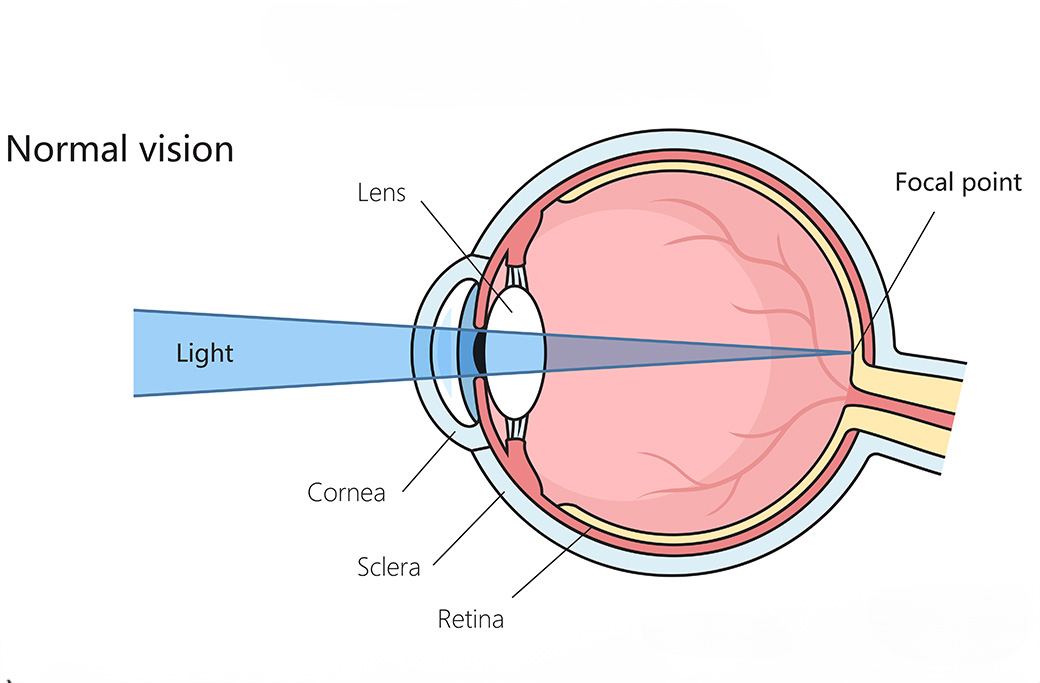
When disease, injury, inflammation, or scarring damages the cornea, vision can become blurred or distorted. In some cases, surgery may be considered when other treatments are no longer providing adequate vision or maintaining the health of the eye.
The Massachusetts Eye Research and Surgery Institution (MERSI) provides specialized evaluation and surgical care for complex corneal conditions at our Waltham, Massachusetts location. Patients may be referred by their ophthalmologist or come to MERSI for a second opinion about corneal surgery.
The cornea is the clear tissue at the front of the eye that helps focus light. Disease or damage to the cornea can interfere with vision and, depending on the underlying condition, may also cause discomfort, redness, or sensitivity to light.
Not every corneal condition requires surgery. Treatment may include medications, eye drops, specialty contact lenses, or other approaches.
Corneal surgery may be considered when:
Your ophthalmologist will determine whether surgery is appropriate based on your diagnosis, overall eye health, previous treatment, and individual needs.
MERSI’s ophthalmic surgery program includes corneal transplantation and other procedures for complex corneal and ocular-surface conditions.
Current MERSI surgical services include:
The appropriate procedure depends on the condition affecting the eye and the extent and location of corneal damage.
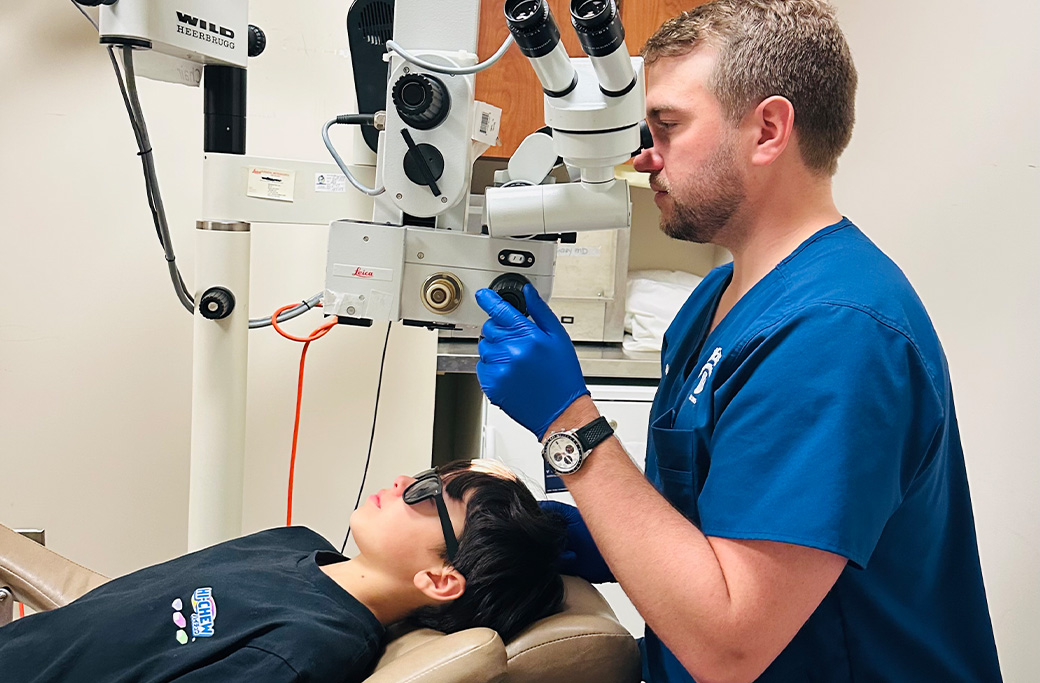
A corneal surgery consultation begins with determining what is causing the problem and whether surgery is the appropriate next step.
Your evaluation may include a comprehensive eye examination and diagnostic testing based on your condition. Your ophthalmologist will also review your symptoms, previous treatments or surgeries, medications, and other factors that could affect treatment.
If another eye doctor has already evaluated your condition, bring or arrange to have relevant examination notes, imaging, diagnostic testing, and operative reports sent to MERSI.
Recovery varies depending on the procedure, condition being treated, health of the eye, and individual healing response. Vision may change gradually as the eye heals.
Follow-up care is an important part of treatment. Your surgeon will provide individualized instructions regarding medications, activities, follow-up appointments, and symptoms that should prompt a call to the office.
After a corneal transplant, contact your ophthalmologist promptly if you experience new or worsening:
Learn more about the immune response involved in transplantation in Corneal Transplantation and Immunologic Tolerance.
Stephen D. Anesi, MD, FACS specializes in ocular inflammatory diseases and cornea, as well as glaucoma, cataract, and medical retina.
MERSI’s multidisciplinary approach can be particularly valuable for patients whose corneal disease occurs alongside inflammation or other complex eye conditions.
If you have been told that you may need a corneal transplant or another corneal procedure, a second opinion can help you better understand your diagnosis, treatment options, risks, and expected goals of surgery.
MERSI evaluates patients from Greater Boston and throughout New England, including patients referred by other ophthalmologists for complex corneal conditions.
If you have been diagnosed with a corneal condition, have been told you may need a corneal transplant, or would like a second opinion about corneal surgery, make an appointment with MERSI.
MERSI is located at 1440 Main Street, Suite 201, Waltham, Massachusetts 02451.
A corneal transplant replaces damaged or diseased corneal tissue with healthy donor tissue. The surgical approach depends on the part of the cornea affected and the patient’s individual eye health.
No. Many corneal conditions can be treated without surgery. Your ophthalmologist will determine whether surgery should be considered based on the diagnosis, severity of the condition, and response to previous treatment.
Recovery varies by procedure and patient. Your surgeon will provide individualized expectations and follow-up instructions based on the procedure being performed.
New or worsening redness, eye pain or discomfort, light sensitivity, or decreased vision should be reported promptly to your ophthalmologist.
Yes. Patients who have received a diagnosis or surgical recommendation elsewhere may be evaluated at MERSI for a second opinion.
Medically reviewed by:
Stephen D. Anesi, MD, FACS, Partner & Co-President Specializes in: Ocular inflammatory diseases, cornea, glaucoma (medical, surgical & MIGS), cataract, and medical retina
Peter Y. Chang, MD, FACS, Partner & Co-President Specializes in: Ocular inflammatory diseases, vitreoretinal surgery, and cataract
Carl S. Wilkins, MD Specializes in: Ocular inflammatory diseases, vitreoretinal surgery, and cataract
Reviewed: September 29, 2026