
March is Save Your Vision Month—a national reminder that protecting your eyesight starts long before symptoms become obvious. Many eye diseases develop gradually and without noticeable pain, meaning significant damage can occur before you ever notice a change in your vision.
At MERSI (Massachusetts Eye Research and Surgery Institution), early detection is central to everything we do. Knowing the warning signs and understanding when to seek care can make the difference between preserving your vision and losing it permanently.
Why Early Detection Is So Important
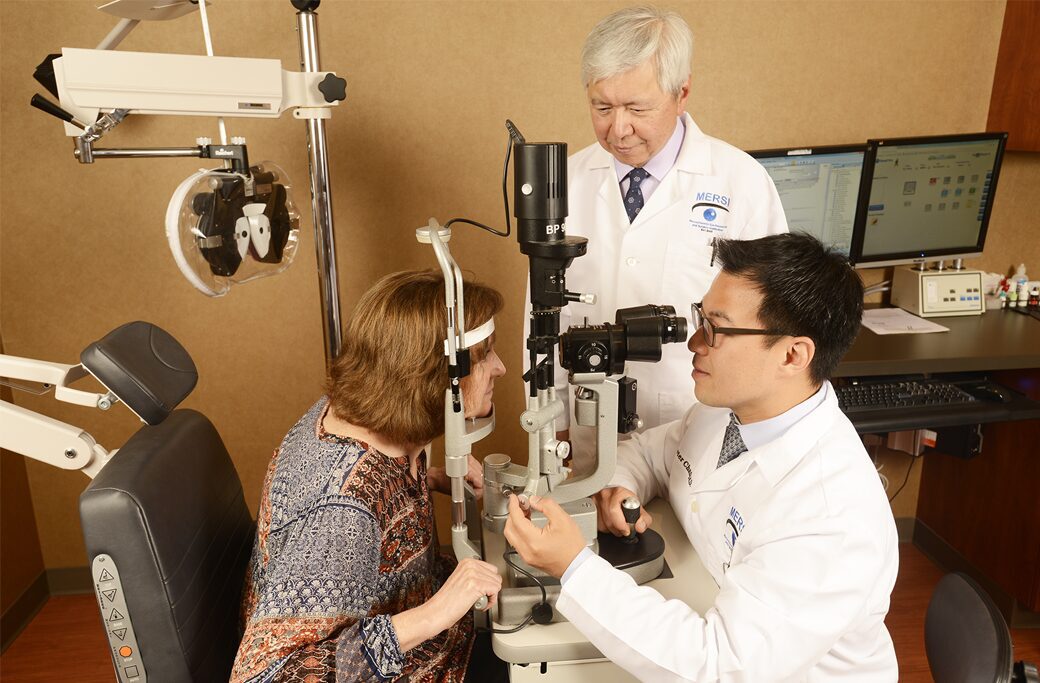
Your eyes are remarkably complex organs, and many conditions that threaten them progress silently. Diseases affecting the retina, optic nerve, or macula often cause no pain and few obvious symptoms in their early stages. By the time vision changes appear, the window for the most effective treatment may have already narrowed.
Catching eye disease early typically means:
-
- More treatment options before the condition advances
- Slower disease progression with timely intervention
- Better long-term visual outcomes and quality of life
- Less invasive procedures compared to later-stage treatment
Routine eye exams give specialists the opportunity to identify problems before permanent damage sets in.
Retinal Conditions: Silent but Serious
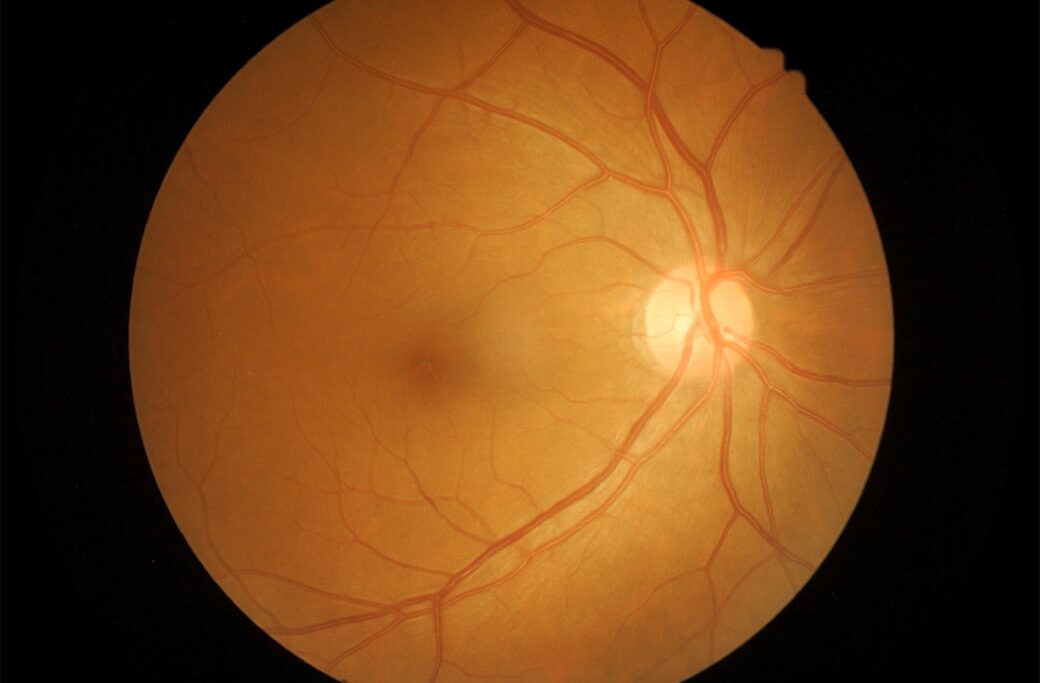
The retina lines the back of the eye and sends visual signals to the brain. Even small changes to this tissue can have a significant impact on your sight. Several of the most serious retinal conditions begin with little to no warning:
-
- Age-related macular degeneration (AMD): A leading cause of vision loss that affects central vision, particularly in adults over 50
- Diabetic retinopathy: Damage to retinal blood vessels caused by poorly controlled blood sugar
- Retinal tears or detachment: Conditions where the retina pulls away from the back of the eye, requiring immediate treatment
- Uveitis and inflammatory eye disease: Inflammation inside the eye that can affect retinal health and overall vision
Since these conditions can advance without obvious discomfort, awareness and regular eye care are essential, especially for those with known risk factors.
Warning Signs You Should Never Ignore

Subtle vision changes are often the first clue that something is wrong. Seek prompt evaluation if you notice any of the following:
-
- Sudden flashes of light
- A sudden increase in floaters
- Blurred or distorted vision
- Difficulty seeing in low light
- A shadow or “curtain” across your field of vision
- Sudden vision loss in one or both eyes
- Wavy or distorted straight lines
Some of these symptoms may have harmless explanations, but others can indicate retinal disease or another vision-threatening condition. It’s always worth getting checked.
When to See a Retina Specialist
Not every vision change is an emergency, but certain symptoms warrant same-day or urgent evaluation by a retina specialist. These include:
-
- New or sudden flashes of light or floaters
- Rapid or unexplained vision changes
- Distorted central vision
- Dark areas or vision loss in any part of your visual field
- Symptoms linked to diabetes, high blood pressure, or a known retinal condition
People with risk factors (including diabetes, hypertension, severe nearsightedness, or a family history of retinal disease) should prioritize regular comprehensive eye exams, even when they feel fine.
At MERSI, our fellowship-trained retina specialists use advanced diagnostic imaging to detect retinal conditions at their earliest stages and build personalized treatment plans tailored to each patient’s needs.
Protect Your Vision All Year Long
Save Your Vision Month offers a timely push to take eye health seriously, but the habits that protect your sight matter every month of the year. A few practical steps go a long way:
-
- Schedule regular comprehensive eye exams
- Manage chronic conditions like diabetes and high blood pressure
- Pay attention to changes in your vision, however minor they seem
- Seek prompt evaluation for any symptoms that concern you
Early detection remains one of the most powerful tools available for preventing permanent vision loss.
Why Early Detection of Eye Diseases Matters
If you’re experiencing changes in your vision (or if you have risk factors for retinal disease) our specialists at MERSI are here to help. Our team provides advanced diagnostic and treatment services for a wide range of eye conditions, serving patients throughout the Greater Boston area.
Don’t wait for symptoms to worsen. A timely evaluation at MERSI could help preserve your sight for years to come. Contact us today to schedule an appointment.
FAQ Questions
1. Why is early detection of eye diseases important?
Early detection of eye diseases allows doctors to diagnose and treat problems before significant vision loss occurs. Many eye conditions (including glaucoma, macular degeneration, and retinal disorders) develop without noticeable symptoms at first. Regular eye exams and prompt evaluation of vision changes help protect long-term eye health.
2. What are the early warning signs of serious eye disease?
Common warning signs include sudden flashes of light, new floaters, blurred or distorted vision, difficulty seeing in low light, or a shadow across your vision. These symptoms may indicate retinal problems or other serious eye conditions and should be evaluated by an eye specialist.
3. When should I see a retina specialist?
You should see a retina specialist if you experience sudden changes in vision, flashes of light, an increase in floaters, distorted central vision, or vision loss. Individuals with diabetes, high blood pressure, or a family history of retinal disease should also have regular eye evaluations.
4. What retinal diseases can be detected early during an eye exam?
A comprehensive eye exam can detect many retinal diseases early, including age-related macular degeneration (AMD), diabetic retinopathy, retinal tears, retinal detachment, and inflammatory conditions such as uveitis.
5. Can early treatment prevent vision loss?
In many cases, early treatment can slow or stop the progression of eye disease and help preserve vision. Treatments such as injections, laser therapy, or advanced diagnostic monitoring are often most effective when retinal conditions are diagnosed early.
6. How often should adults have their eyes examined?
Most adults should have a comprehensive eye exam every one to two years. People with diabetes, a family history of eye disease, or other risk factors may need more frequent monitoring by an eye care professional.