
May is Healthy Vision Month, an important reminder that protecting your eyesight starts with proactive care. Many serious eye conditions develop quietly, causing damage long before noticeable symptoms appear. Waiting for vision changes can delay diagnosis and limit treatment options.
Preventative eye care is the most effective way to detect problems early. Comprehensive eye exams allow specialists to evaluate the retina—the light-sensitive tissue at the back of the eye responsible for sending visual signals to the brain. Since many retinal diseases progress without pain or early warning signs, routine screenings play a vital role in preserving long-term vision.
At the Massachusetts Eye Research and Surgery Institution (MERSI) in Waltham, patients across the Greater Boston area have access to advanced diagnostics and specialized care. Our fellowship-trained ophthalmologists focus on early detection and targeted treatment, helping patients protect and maintain their vision for years to come.
Why Preventative Eye Care Matters for Long-Term Vision
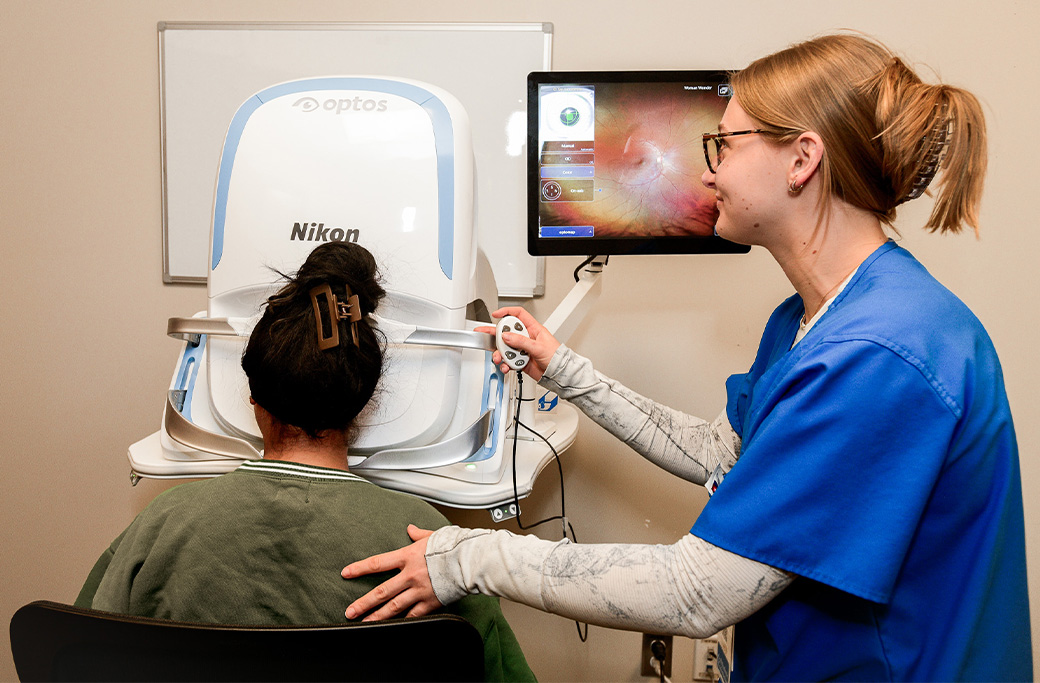
Your eyes are incredibly complex. Unfortunately, the diseases that threaten them often develop without obvious symptoms. Conditions affecting the optic nerve or retina can progress quietly for months or even years. By the time you experience vision loss or distortion, the most effective window for treatment might have already closed.
Early detection directly correlates with better visual outcomes. Catching a disease in its infancy provides you and your doctor with more treatment options and a much higher chance of slowing the condition’s progression. This requires more than a standard vision screening for glasses.
Routine medical eye exams utilize advanced imaging technology to map the intricate layers of your eye. These detailed assessments allow our specialists to provide comprehensive retina care, identifying cellular changes before they threaten your independence.
Common Retina Disorders You Should Know About
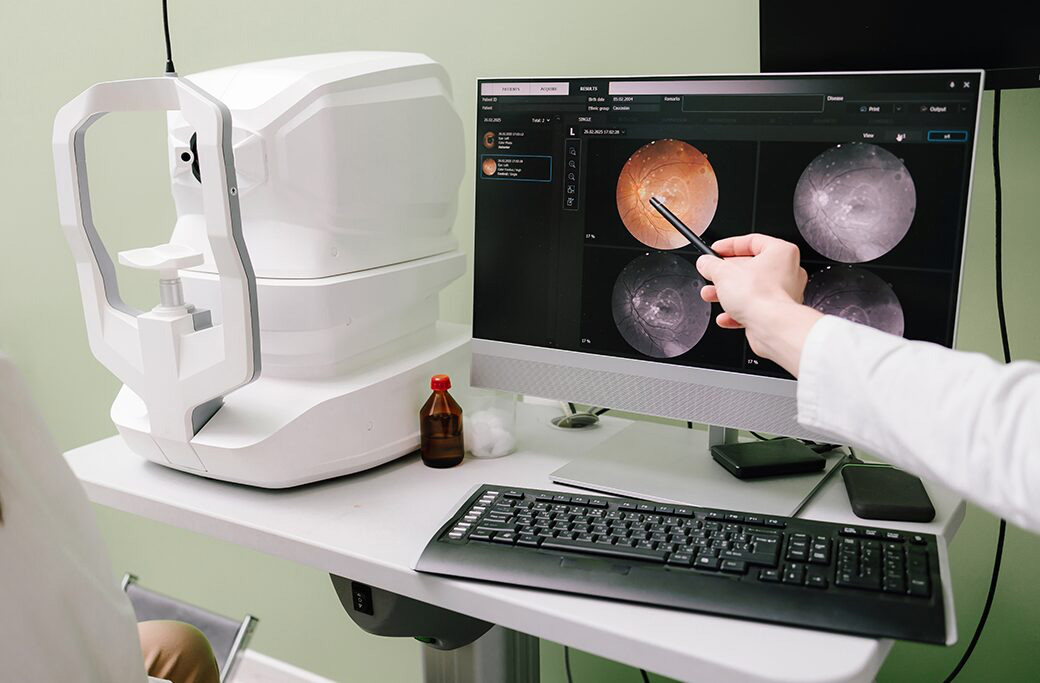
Understanding your risk factors helps you take charge of your eye health. Several severe retinal conditions require specialized monitoring and prompt intervention.
Age-Related Macular Degeneration (AMD)
Age-related macular degeneration is a common condition affecting adults over 50. It damages the macula, the part of the retina responsible for sharp, central vision needed for reading and driving. All AMD starts in the “dry” form, which progresses slowly as retinal cells break down. In some cases, it can advance to the “wet” form, where abnormal blood vessels leak fluid into the eye, causing rapid vision loss. The dry form can also worsen into a severe stage called geographic atrophy. The right treatment depends heavily on which form of AMD you have.
Diabetic Retinopathy
Chronically high blood sugar levels can severely damage the tiny blood vessels nourishing the retina. Diabetic retinopathy is a leading cause of blindness among adults. The damaged vessels may leak fluid or bleed, distorting vision and eventually leading to severe scarring if left unmanaged.
Retinal Detachment
A retinal detachment is a medical emergency requiring immediate attention. A retinal detachment occurs when the retina pulls away from the back of the eye. Warning signs include: sudden flashes of light, a rapid increase in floaters, a shadow or “curtain” moving across your vision, or sudden vision loss. Without prompt treatment, which often involves surgical repair in the operating room, retinal detachment can result in permanent vision loss.
Uveitis & Retinal Inflammation
Inflammation inside the eye can devastate retinal tissue. Uveitis is often linked to autoimmune disorders or systemic inflammatory conditions. It can cause swelling, tissue damage, and significant vision loss. Managing this complex condition requires a highly specialized approach to control the immune system and protect the delicate structures of the eye.
Link Between Diabetes and Vision Loss
Diabetes takes a heavy toll on the entire body, and the eyes are particularly vulnerable. High blood sugar levels gradually weaken the walls of retinal blood vessels. Over time, these vessels leak fluid and blood into the surrounding tissue.
Annual diabetic eye exams are an absolute necessity for anyone living with diabetes. Since diabetic retinopathy does not cause pain and rarely affects vision in its early stages, ongoing monitoring is the only way to catch the disease before it causes permanent harm. The key takeaway is simple: even if your vision feels perfectly fine, diabetes-related damage might already be occurring.
How Advanced Diagnostics Help Detect Eye Disease Early
Diagnosing retinal conditions requires highly sophisticated technology. At MERSI, our specialists utilize state-of-the-art retinal imaging, such as Optical Coherence Tomography (OCT). This non-invasive test captures cross-sectional images of the retina, allowing doctors to measure its thickness and spot fluid accumulation or cellular damage.
These advanced diagnostic tools enable our team to detect eye diseases in their earliest stages. Identifying microscopic changes before symptoms arise gives our doctors the information they need to intervene effectively. A comprehensive evaluation by a retina specialist ensures that no subtle warning sign goes unnoticed.
Treatment Options That Can Help Preserve Vision
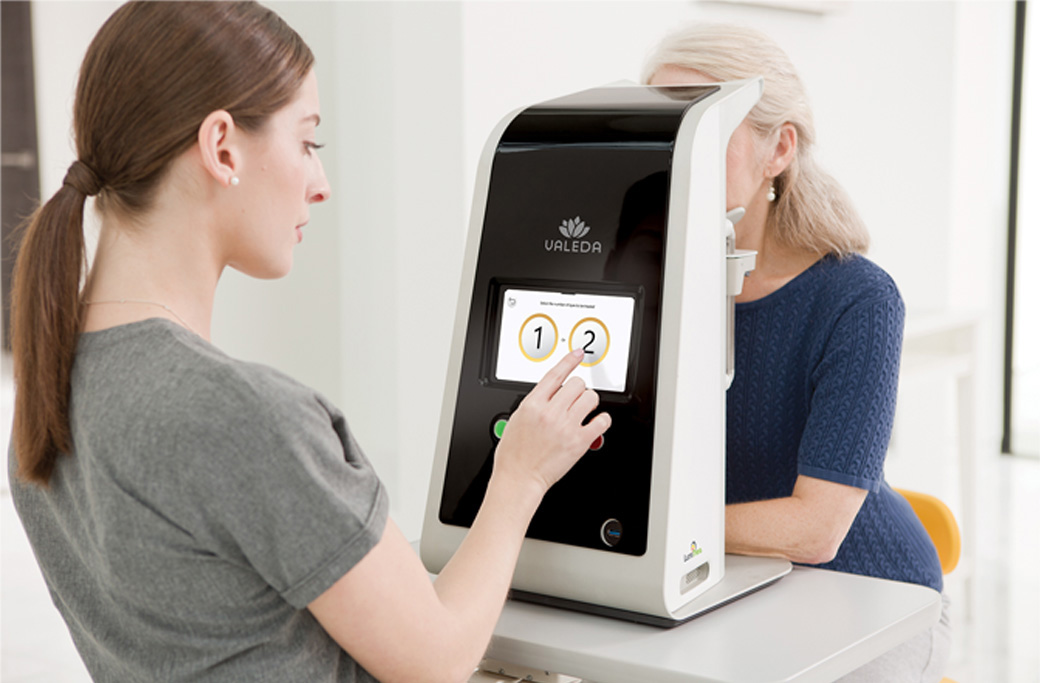
When an eye disease is detected, timely and precise treatment is vital. MERSI offers a full spectrum of therapeutic options personalized to each patient’s unique diagnosis.
Many retinal conditions respond well to injection-based therapies, which deliver medication directly into the eye to stop abnormal blood vessel growth and reduce swelling. For more advanced cases, our highlyspecialized surgeons perform complex surgical retina care to repair detachments and restore structural integrity.
We also offer breakthrough therapies. MERSI is proud to provide the Valeda Light Delivery System, the first and only FDA-authorized treatment for dry AMD. Additionally, patients managing systemic inflammatory eye diseases can receive their biologic therapies in our comfortable, state-of-the-art Infusion Suite. We are equipped to handle everything from routine monitoring to the most advanced retina care available.
When to Schedule an Eye Exam
While regular exams are important for everyone, certain symptoms warrant an immediate call to a specialist. Seek prompt medical evaluation if you experience any of the following:
-
- Blurred or severely distorted vision
- A sudden onset of floaters or flashes of light
- Difficulty reading, driving, or recognizing faces
- Dark spots, shadows, or a “curtain” falling over your visual field
Beyond responding to symptoms, proactive scheduling is vital. Diabetic patients must undergo routine medical eye exams every year. Individuals with high blood pressure, severe nearsightedness, or a family history of eye disease should also commit to annual screenings with an ophthalmologist.
Healthy Vision Tips You Can Start Today
Protecting your eyes involves daily choices. You can actively support your long-term eye health by adopting a few straightforward habits.
-
- Schedule routine eye exams: Make your annual comprehensive eye exam a non-negotiable part of your healthcare routine.
- Manage blood sugar: If you have diabetes, carefully controlling your blood sugar and blood pressure is the best way to prevent diabetic retinopathy.
- Wear UV-protective sunglasses: Shield your eyes from harmful ultraviolet rays to reduce your risk of cataracts and macular degeneration.
- Maintain a healthy diet: Eat plenty of leafy green vegetables and foods rich in omega-3 fatty acids, like salmon and walnuts, to nourish your retinal cells.
- Monitor vision changes: Pay close attention to your eyesight and contact a specialist immediately if you notice anything unusual.
Healthy Vision Month: Prevent Vision Loss & Protect Your Retina
Your eyesight is irreplaceable. This Healthy Vision Month, take decisive action to protect it. Preventative care and early detection are your most powerful tools against silent, vision-stealing diseases.
Patients throughout the Greater Boston area trust the ophthalmologist team at MERSI in Waltham for their complex eye care needs. Whether you require a routine retinal evaluation, advanced diagnostic imaging, or highly specialized surgical treatment, our team is ready to help. Early action makes all the difference in preserving your vision. Contact our Waltham practice today to schedule your comprehensive eye exam.
Frequently Asked Questions
1. What is Healthy Vision Month and why is it important?
Healthy Vision Month, observed each May, raises awareness about the importance of preventative eye care and early detection of vision problems. Many eye diseases develop without symptoms, making routine eye exams essential for protecting long-term vision.
2. How often should I get a comprehensive eye exam?
Most adults should have a comprehensive eye exam every 1–2 years, but patients with conditions like diabetes or a history of eye disease may need more frequent evaluations. Regular exams help detect issues early before they impact vision.
3. What are the early warning signs of retinal disease?
Early signs may include blurred or distorted vision, flashes of light, new floaters, or dark spots in your field of vision. Some retinal conditions develop without noticeable symptoms, which is why routine screenings are essential.
4. How does diabetes affect eye health?
Diabetes can damage the small blood vessels in the retina, leading to a condition called diabetic retinopathy. Without proper monitoring and treatment, this can result in significant vision loss or blindness.
5. Can vision loss be prevented?
Many forms of vision loss can be slowed or prevented with early detection, proper management of underlying conditions, and access to advanced treatments. Preventative care and routine eye exams are key to maintaining healthy vision.