Your vision shapes how you experience the world every day, from reading and driving to recognizing faces and navigating your surroundings. When eye health is affected, even simple tasks can become challenging and your independence can be impacted.
At the center of your visual system is the retina, a thin layer of light-sensing tissue at the back of the eye that converts images into signals sent to the brain. When the retina is healthy, vision is clear and precise. When it is damaged, vision can become distorted or permanently affected.
Many retinal diseases develop silently, often without noticeable symptoms in the early stages. Conditions such as macular degeneration, diabetic retinopathy, and retinal detachment may progress before a patient realizes there is a problem. This is why early detection is essential. Routine comprehensive eye exams can identify subtle changes before vision loss occurs.
At the Massachusetts Eye Research and Surgery Institution (MERSI) in Waltham, Massachusetts, our fellowship-trained retina specialists provide advanced diagnostic testing and evidence-based treatment for complex retinal conditions. Using cutting-edge imaging and a patient-centered approach, we focus on preserving and protecting vision at every stage of disease.
This guide will help you understand how the retina works, the conditions that can affect it, warning signs to watch for, and what to expect when receiving specialized retina care at MERSI.
What Is the Retina and Why Is It So Important?

Role of the Retina in Vision
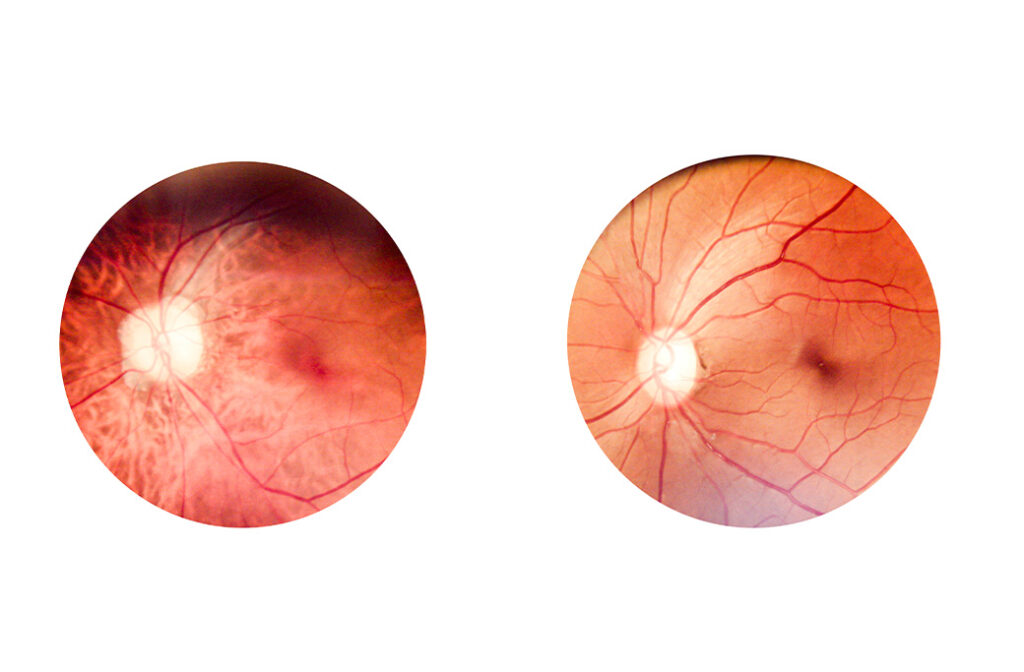
The retina is a thin, light-sensing layer of tissue lining the inner back wall of your eye. You can think of it like the film inside a traditional camera. When light enters your eye through the cornea and lens, it focuses directly onto the retina.
This highly specialized tissue contains millions of photoreceptor cells known as rods and cones. Rods help you perceive motion and see in low-light environments. Cones are responsible for processing sharp, fine details and allowing you to see colors. Together, these cells capture light and convert it into electrical signals. The optic nerve then transmits these signals to your brain, which translates them into the images you see.
Why Retina Health Affects Your Vision
Since the retina is directly responsible for processing visual information, any damage to it immediately compromises your sight. The central part of the retina, called the macula, handles your sharp central vision. You rely on the macula for tasks that require focus, such as reading a book, driving a car, or recognizing the faces of your loved ones.
The outer areas of the retina manage your peripheral vision. When disease or injury damages either part of this tissue, you might experience blind spots, severe distortion, or total vision loss. Protecting your retinal health is essential for maintaining your independence and navigating daily life safely.
Common Retina Conditions We Treat at MERSI
Our specialists diagnose and manage a comprehensive range of complex eye conditions. We utilize leading-edge technology to offer targeted treatments for the following disorders.
Age-Related Macular Degeneration (AMD)
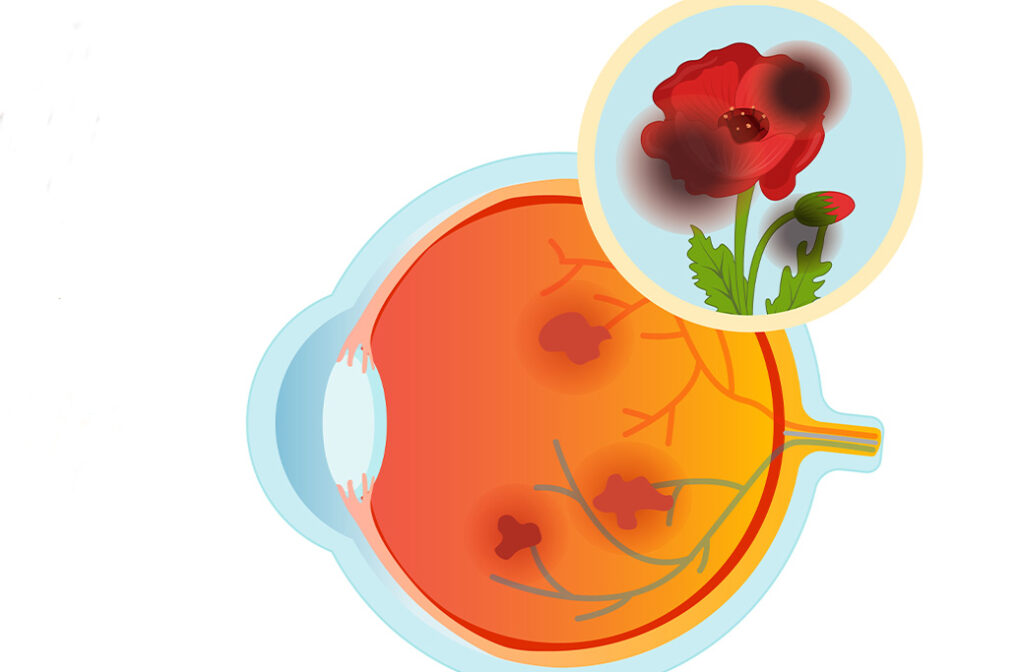
Age-related macular degeneration is a leading cause of vision loss among older adults. It specifically affects the macula, gradually destroying sharp central vision. The condition typically begins as dry AMD, characterized by the thinning of the macula and the accumulation of tiny yellow deposits called drusen. Some patients may progress to wet AMD, a more severe form where abnormal blood vessels grow underneath the retina and leak fluid or blood. When wet AMD develops, an eye injection given at a regular interval will be necessary to regain vision and prevent further vision loss.
While there is no cure, we offer several management options. We are proud to provide Valeda light-based therapy for dry AMD, the first and only FDA-authorized treatment of its kind. You can read our dedicated dry AMD / Valeda Therapy article to learn more about this innovative approach.
Diabetic Retinopathy
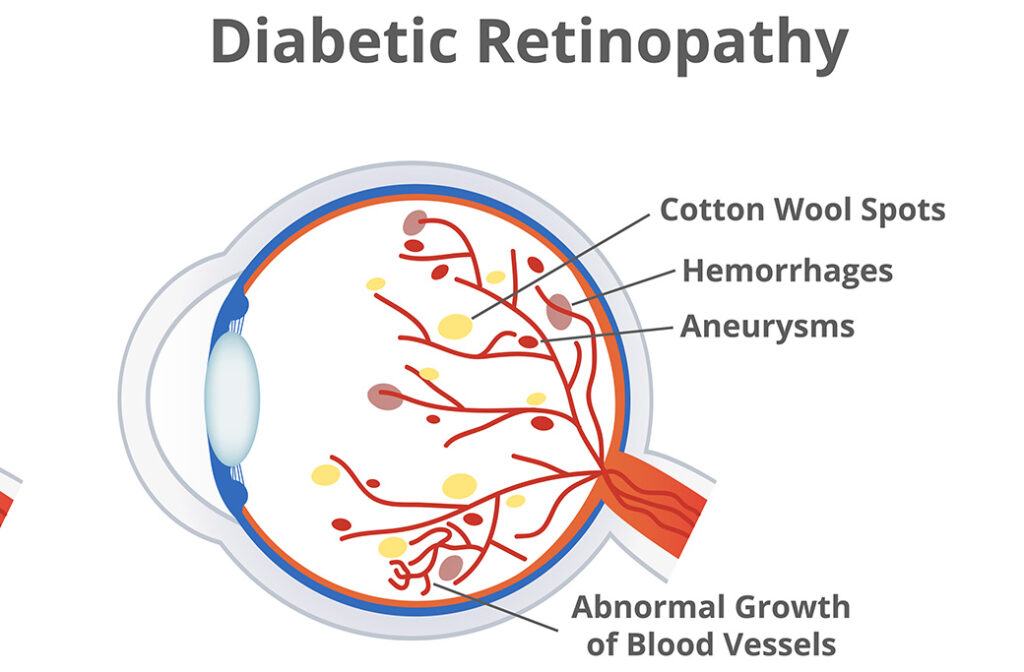
Chronically high blood sugar levels can damage the delicate blood vessels supplying the retina. This condition, known as diabetic retinopathy, is the leading cause of new blindness among working-age adults. In the early stages, the blood vessels may swell and leak fluid into the macula, causing macular edema.
As the disease progresses to the proliferative stage, the eye attempts to grow new, abnormal blood vessels. These fragile vessels can bleed into the vitreous gel of the eye, causing severe vision loss. Controlling your blood sugar, blood pressure, and cholesterol is critical. You can learn more about our comprehensive management strategies in our diabetic retinopathy treatment resources.
Retinal Detachment and Tears
A retinal detachment is a serious condition and often requires surgery within hours to days. This can happens when the retina pulls away from its normal position at the back of the eye. This is a severe medical emergency. It often begins with a retinal tear, which can occur when the vitreous gel shrinks and tugs on the retinal tissue.
When a tear forms, fluid can seep underneath the retina, lifting it off the back wall. Symptoms include a sudden influx of floaters, bright flashes of light, or a dark shadow covering your field of vision. Prompt surgical intervention is required to reattach the retina and prevent permanent blindness.
Uveitis and Inflammatory Eye Disease
Uveitis refers to a group of inflammatory eye diseases that can cause swelling and destroy eye tissues. This inflammation can severely impact the retina and the uvea (the middle layer of the eye). It is often linked to autoimmune disorders or systemic infections.
Patients with uveitis may experience eye pain, severe redness, light sensitivity, and blurry vision. Due to the complex nature of the immune system, managing uveitis requires highly specialized care and targeted therapies to control the inflammation and preserve visual function.
Other Retinal Disorders
Our team also treats an array of other complex conditions. These include epiretinal membranes (macular puckers), retinal vein occlusions, and various inherited retinal diseases. A macular pucker involves scar tissue forming over the macula, leading to wrinkled and distorted vision. For a deeper look at these conditions, please refer to our comprehensive Retina Disorders article.
Symptoms of Retina Problems You Should Never Ignore
Recognizing the warning signs of retinal distress can save your sight. If you experience any of the following symptoms, seek immediate evaluation by a qualified specialist.
Sudden Vision Changes
Any sudden change in your eyesight warrants urgent medical attention. This includes sudden blurriness, extreme distortion where straight lines appear wavy, or a complete loss of central vision. These symptoms often indicate serious issues involving the macula or an active bleed within the eye.
Flashes and Floaters
Most people experience a few floaters (tiny specks or cobwebs drifting across their vision) especially as they age. However, a sudden, dramatic increase in floaters is a major red flag. If these floaters are accompanied by bright flashes of light, like a camera going off in your peripheral vision, you may have a retinal tear or an active detachment.
Shadows or Curtain Effect in Vision
If you notice a dark shadow creeping into your peripheral vision, or if it feels like a gray curtain is being pulled across your eye, you must go to a specialist immediately. This visual disturbance is a classic symptom of a retinal detachment and requires emergency surgical repair to restore the anatomical structure of your eye.
How Retina Conditions Are Diagnosed

Accurate diagnosis is the foundation of effective treatment. At MERSI, we employ a thorough and technologically advanced approach to evaluate your eye health.
Comprehensive Eye Exam
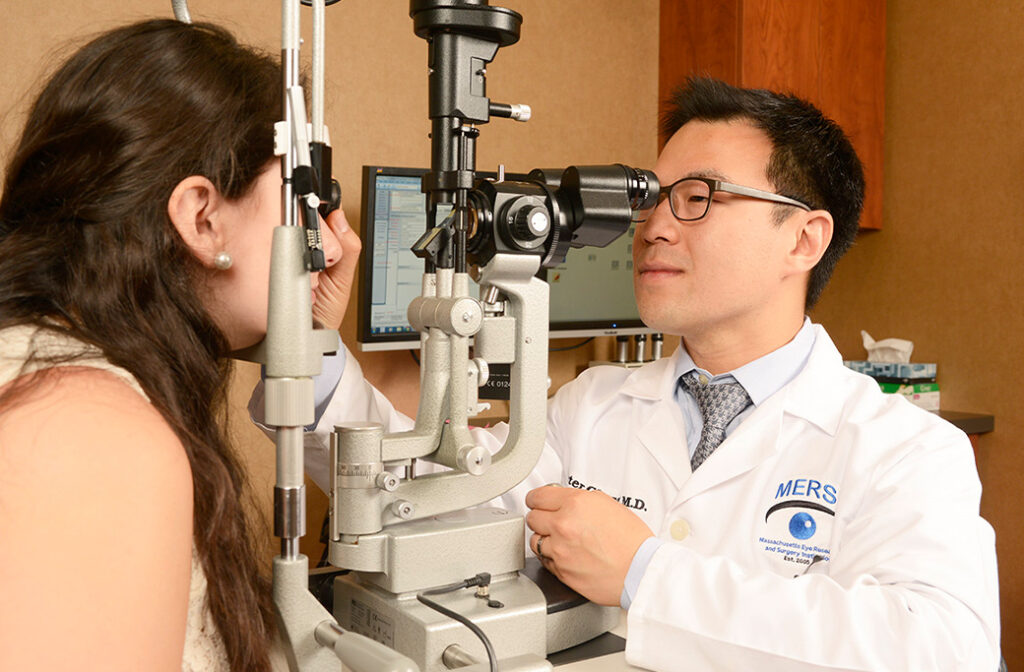
Every evaluation starts with a comprehensive dilated eye exam. We will administer eye drops to widen your pupils, giving our physicians a clear, unobstructed view of the back of your eye. We will carefully examine the retina, macula, and optic nerve for any signs of swelling, leaking blood vessels, or structural abnormalities.
Advanced Retinal Imaging
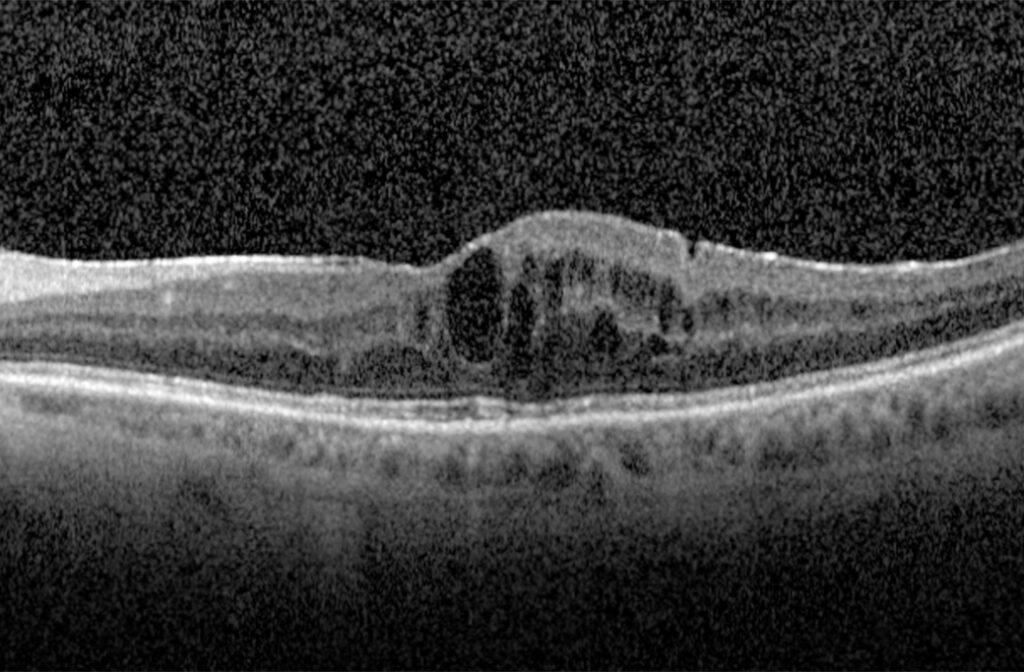
We utilize state-of-the-art imaging systems to look beneath the surface of the retina. Optical Coherence Tomography (OCT) captures high-resolution, cross-sectional images of the retinal layers. This allows us to detect microscopic swelling or fluid accumulation. We may also perform fluorescein angiography, a test where a special dye is injected into your arm. As the dye travels through the blood vessels in your eye, we take a series of photographs to identify blockages or leaks.
On-Site Pathology Support
For complex inflammatory diseases or suspected ocular tumors, specialized tissue analysis is necessary. MERSI features an on-site CLIA-certified immunopathology laboratory. This integration allows our physicians to process ocular tissue or fluid rapidly, ensuring a precise diagnosis and a faster transition into an effective treatment plan.
Retina Treatments Available at MERSI

Treatment strategies depend entirely on the specific condition, its severity, and your overall health. Our fellowship-trained surgeons offer a robust menu of medical and surgical interventions.
Eye Injections (Intravitreal Therapy)
Intravitreal injections are a cornerstone treatment for conditions like wet AMD, diabetic macular edema, and retinal vein occlusions. We administer specialized medications, such as anti-VEGF drugs, directly into the eye. These medications work to shrink abnormal blood vessels, reduce swelling, and stabilize your vision.
Laser Treatments
Laser therapy provides precision-based treatment for several retinal disorders. In cases of diabetic retinopathy, scatter laser treatment (panretinal photocoagulation) can cause abnormal blood vessels to shrink and dry up. We also use targeted laser therapy to quickly seal retinal tears, preventing fluid from leaking underneath the tissue and causing a full detachment.
Surgical Retina Procedures
When less invasive treatments are insufficient, our highly skilled surgeons perform advanced operative procedures. Vitrectomy surgery is commonly used to repair retinal detachments, remove blood from the vitreous cavity, or peel away scar tissue from the macula. During a vitrectomy, the surgeon removes the vitreous gel and replaces it with a balanced saline solution, a gas bubble, or silicone oil to hold the retina in place while it heals.
Infusion Suite Treatments
Patients managing chronic uveitis or autoimmune-related retinal conditions often require systemic immunosuppressive therapy. We provide these biologic medications in our comfortable, state-of-the-art infusion center. Our dedicated nursing staff monitors you throughout the process, prioritizing your safety and comfort.
What to Expect During Retina Care at MERSI
We understand that visiting a specialist for a complex eye condition can feel overwhelming. Our team prioritizes patient-centered care to ensure your experience is as smooth and reassuring as possible.
Initial Consultation
Your journey begins with a detailed consultation. Your specialist will review your complete medical history, discuss your current symptoms, and answer any questions you might have. We take the time to listen to your concerns and understand how your vision changes are affecting your life.
Diagnostic Testing
Following the initial discussion, our technicians will guide you through the necessary diagnostic tests. Thanks to our fully equipped facility, most imaging and testing can be completed on the same day as your consultation. This efficiency helps eliminate unnecessary delays in your care.
Personalized Treatment Plan
Once your specialist has reviewed the diagnostic data, they will sit down with you to discuss the findings. We will formulate a highly personalized treatment plan designed specifically for your condition. You will leave the clinic with a clear understanding of your diagnosis, your treatment options, and the recommended schedule for ongoing monitoring.
When to See a Retina Specialist
General eye doctors provide excellent routine care, but complex diseases require the advanced training of a subspecialist.
Warning Signs That Require Immediate Care
Do not delay medical care if you experience any sudden deterioration in your eyesight. Immediate evaluation is vital if you notice sudden vision loss, a storm of new floaters accompanied by flashes, or highly distorted central vision. Time is of the essence when dealing with potential retinal detachments or aggressive macular bleeding.
High-Risk Patients
Certain health factors increase your likelihood of developing retinal disease. If you have been diagnosed with Type 1 or Type 2 diabetes, you need an annual dilated eye exam to screen for diabetic retinopathy. Patients with a family history of macular degeneration, individuals with high myopia (severe nearsightedness), or those living with systemic autoimmune diseases should also establish care with a retina specialist for regular monitoring.
Why Choose MERSI for Retina Care

Patients across the region trust MERSI because we combine academic-level medical expertise with the warmth and convenience of a private practice.
Fellowship-Trained Retina Specialists
Our practice is led by nationally recognized physicians, including Dr. Peter Y. Chang and Dr. Stephen D. Anesi. Both doctors hold advanced fellowship training in their respective subspecialties and have successfully managed thousands of complex cases. Their expertise is consistently recognized by organizations like Castle Connolly and Boston Magazine.
Advanced Diagnostic Technology
We invest heavily in the latest diagnostic and therapeutic technologies. From high-resolution OCT imaging to targeted laser systems and the innovative Valeda light therapy device, our clinic is equipped to handle the most challenging ophthalmic conditions with precision.
Comprehensive, Coordinated Care
Managing chronic eye disease often requires a multidisciplinary approach. At MERSI, we provide coordinated care from the moment of diagnosis through long-term treatment. We manage all aspects of your ocular health under one roof, compiling your data securely and communicating promptly with your referring physicians.
Retina Care for Patients in Greater Boston
Convenient Access to Waltham & Boston Area
You do not have to navigate the stress of downtown Boston traffic to receive world-class eye care. MERSI is conveniently located in Waltham, offering easy access from major highways and ample parking for our patients.
Serving Surrounding Communities
We proudly serve patients throughout the MetroWest region and beyond. Whether you live in Newton, Belmont, Cambridge, Lexington, or Watertown, our state-of-the-art facility provides a practical and highly accessible destination for your specialized medical needs.
Retina Care at MERSI: Diagnosis, Treatment & Specialist Expertise
Importance of Routine Eye Exams
The best defense against permanent vision loss is identifying the disease before it causes damage. Routine comprehensive eye exams allow our specialists to monitor the microscopic health of your retina. By catching conditions like AMD or diabetic retinopathy in their earliest phases, we can implement treatments that preserve your sight. You can explore the benefits of proactive screening in our Early Detection article.
Acting Quickly on Symptoms
If you notice any unusual changes in your vision, take them seriously. Ignoring warning signs like floaters, flashes, or blurry patches can lead to irreversible consequences. By acting quickly and consulting a fellowship-trained specialist, you give yourself the best possible chance at maintaining clear, healthy vision for the rest of your life.
Frequently Asked Questions About Retina Care
What does a retina specialist do?
A retina specialist is a medical doctor who has completed specialized fellowship training in ophthalmology, focusing specifically on diseases and surgery of the retina and vitreous body of the eye. They diagnose and manage complex conditions like macular degeneration, diabetic retinopathy, and retinal detachments using advanced medical, laser, and surgical techniques.
What are early signs of retinal disease?
Many retinal diseases do not show symptoms in their earliest stages. When symptoms do appear, they may include slightly blurred central vision, difficulty adapting to low light, mild distortion of straight lines, or the appearance of floaters. Since early signs are often subtle, routine eye exams are the most reliable way to detect retinal disease.
Are retina conditions treatable?
Yes, many retina conditions are highly treatable, especially when diagnosed early. Treatments range from non-invasive therapies like the Valeda light treatment and daily eye drops to intravitreal injections, precise laser therapies, and advanced surgical procedures. While some conditions cannot be completely cured, proper treatment can stabilize the disease and preserve remaining vision.
Is retinal detachment an emergency?
Absolutely. A retinal detachment is a severe medical emergency. When the retina pulls away from the back of the eye, its blood supply is cut off. Without prompt surgical reattachment, the retinal cells will die, resulting in permanent blindness. If you experience a sudden shadow over your vision, flashing lights, or a swarm of floaters, go to an eye specialist or emergency room immediately.
How often should I see a retina specialist?
The frequency of your visits depends entirely on your specific diagnosis and overall risk factors. Patients with active conditions like wet AMD or proliferative diabetic retinopathy may need to see a specialist every few weeks for injections or monitoring. Patients with stable conditions or those solely at high risk due to diabetes may only need annual evaluations. Your doctor will establish a customized monitoring schedule based on your individual ocular health.