
Quick Answer: Sudden blurry vision can be serious, especially if it develops without warning or is accompanied by flashes of light, new floaters, eye pain, vision loss, or a dark shadow in your field of vision. While some causes are temporary, others (including retinal detachment, diabetic eye disease, uveitis, or retinal vascular occlusion) require prompt evaluation to help prevent permanent vision loss.
Can Sudden Blurry Vision Be Serious?

Blurry vision that appears suddenly is never something to ignore. While temporary blurriness may result from dry eyes, eye strain, or changes in blood sugar, sudden vision changes can also signal an underlying eye condition that requires immediate medical attention.
The challenge is that many serious eye diseases begin with the same symptom: blurred vision. Without a comprehensive eye examination and advanced diagnostic testing, it’s impossible to know whether the cause is minor or vision-threatening.
If your vision becomes blurry suddenly, especially if it affects one eye or is accompanied by additional symptoms, it’s important to seek prompt evaluation.
When Is Sudden Blurry Vision an Emergency?
Seek immediate medical attention if blurry vision occurs with any of the following:
-
- Sudden loss of vision in one or both eyes
- New flashes of light
- A sudden increase in floaters
- A curtain or shadow over part of your vision
- Distorted or wavy vision
- Severe eye pain
- Redness with significant vision loss
- Double vision accompanied by other neurologic symptoms
These symptoms may indicate a retinal tear, retinal detachment, retinal vascular occlusion, acute inflammation, or another condition requiring urgent treatment.
What Can Cause Sudden Blurry Vision?
Several eye conditions can cause blurred vision to appear quickly.
Retinal Conditions
The retina is responsible for converting light into signals your brain interprets as vision. Problems affecting the retina can cause sudden blurry vision, including:
-
- Retinal tears
- Retinal detachment
- Macular edema
- Retinal vein or artery occlusions
These conditions often require evaluation by a retina specialist.
Diabetic Eye Disease
People with diabetes may develop diabetic retinopathy or diabetic macular edema, both of which can cause blurred or distorted vision.
Because diabetic eye disease may progress without obvious warning signs, any sudden change in vision should be evaluated promptly.
Uveitis (Eye Inflammation)
Inflammation inside the eye can cause:
-
- Blurry vision
- Floaters
- Light sensitivity
- Eye pain
- Redness
Prompt diagnosis and treatment are important to reduce the risk of permanent vision loss.
Macular Degeneration
Although many forms of macular degeneration progress gradually, age-related macular degeneration (AMD) can cause sudden central blurring or distortion when it suddenly converts from dry to wet state. Patients often notice straight lines appearing bent or wavy.
Patients with known AMD who notice sudden central blurring or distortion may benefit from evaluation by a macular degeneration specialist near Boston.
Less Serious Causes
Not every episode of blurry vision is an emergency. Temporary blurriness may occur because of:
-
- Dry eyes
- Eye fatigue
- Contact lens irritation
- Temporary blood sugar fluctuations
- Certain medications
Even so, if symptoms appear suddenly, persist, or worsen, an eye examination is the safest way to determine the cause.
How Do Eye Specialists Diagnose the Cause?
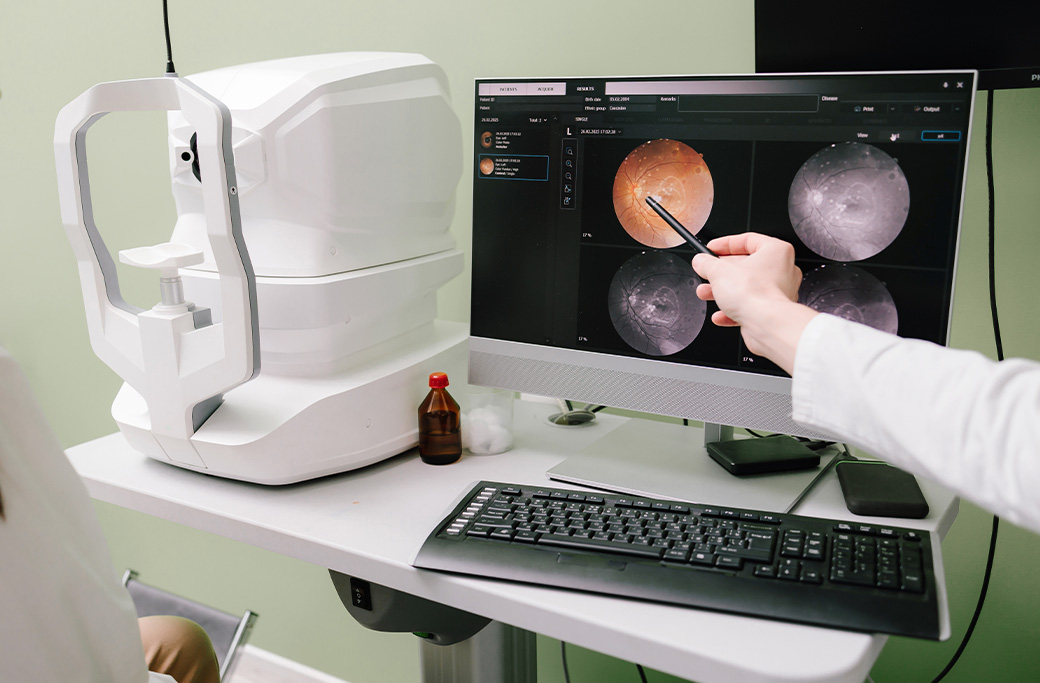
Since blurry vision has many possible causes, your eye specialist may recommend:
-
- A comprehensive eye examination
- Dilated retinal evaluation
- Optical Coherence Tomography (OCT)
- Retinal imaging
- Fluorescein angiography when appropriate
- Review of your medical history and medications
These tests help determine whether blurred vision is related to the retina, inflammation, diabetes, macular disease, or another eye condition.
When Should You See a Retina Specialist?
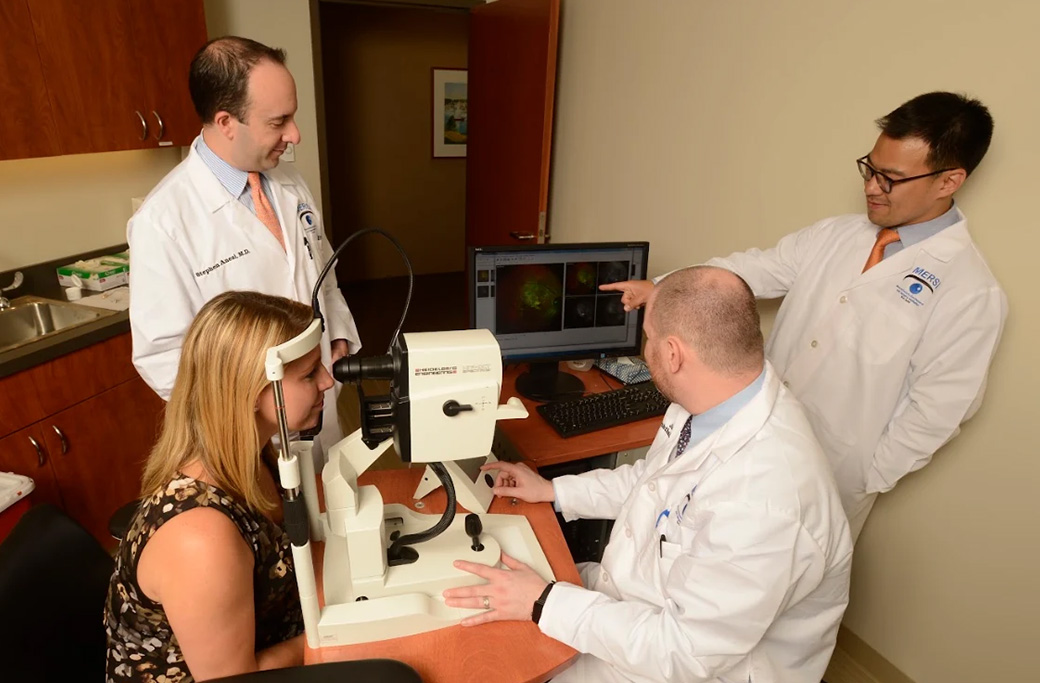
Consider scheduling a retina evaluation if you experience:
-
- Sudden blurry vision in one eye
- Blurry vision that develops quickly
- Blurry vision with flashes or floaters
- Distorted central vision
- Blurry vision related to diabetes
- Persistent blurry vision that doesn’t improve
If you’re unsure whether your symptoms require immediate attention, learn how quickly you should see a retina specialist.
Schedule an Evaluation at MERSI
Sudden blurry vision should never be ignored. A comprehensive eye evaluation can identify the cause of your symptoms and determine whether prompt treatment is needed to help protect your vision. MERSI’s fellowship-trained retina and ocular inflammation specialists use advanced diagnostic imaging to diagnose complex eye conditions and develop personalized treatment plans.
If you’ve experienced a sudden change in your vision, schedule an evaluation at MERSI or contact our team promptly to discuss your symptoms.
Frequently Asked Questions
Can sudden blurry vision go away on its own?
Sometimes. Temporary blurry vision caused by dry eyes or eye fatigue may improve without treatment. However, sudden blurry vision can also signal serious eye conditions, so persistent or worsening symptoms should always be evaluated by an eye specialist.
Is blurry vision in one eye more concerning?
It can be. Sudden blurry vision affecting one eye is more commonly associated with retinal disease, inflammation, or vascular conditions and should be assessed promptly.
Should I go to the emergency room for sudden blurry vision?
If blurry vision occurs suddenly, especially with flashes, floaters, a curtain-like shadow, severe pain, or significant vision loss, seek immediate medical evaluation. These symptoms may require urgent treatment.
Can diabetes cause sudden blurry vision?
Yes. Diabetic retinopathy and diabetic macular edema can both cause blurry or distorted vision. People with diabetes should never ignore sudden changes in their eyesight.