
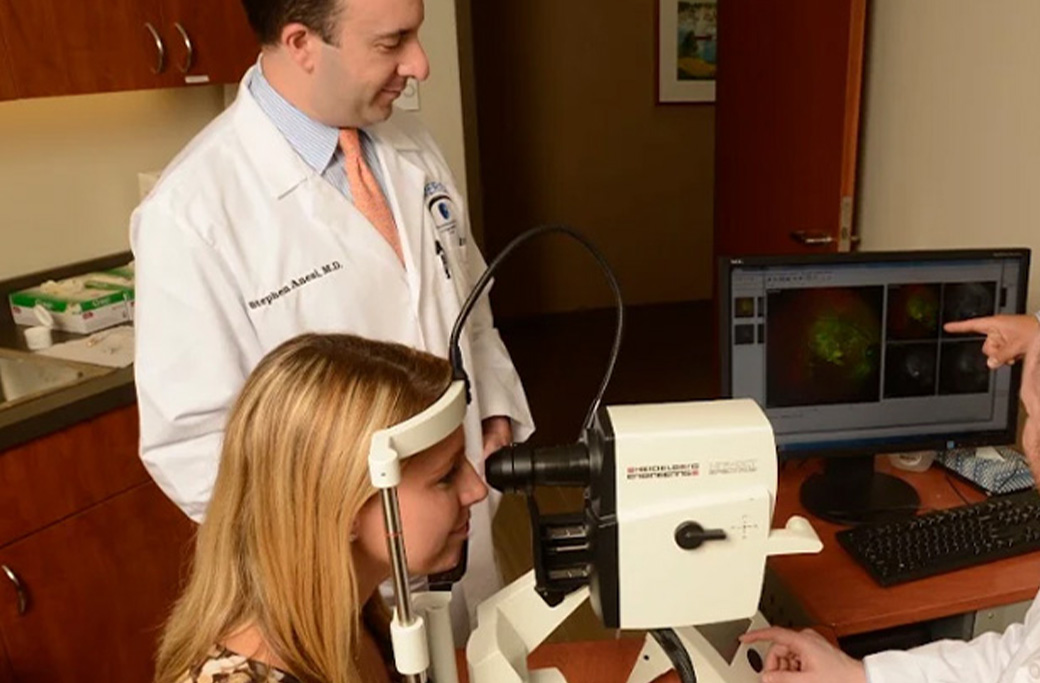
Quick Answer: A retina specialist is an ophthalmologist who has completed additional training focused on diseases and surgery of the retina and vitreous. A general ophthalmologist can diagnose and treat a broad range of eye conditions, while a retina specialist focuses more specifically on problems such as retinal tears and detachments, macular degeneration, diabetic retinopathy, macular holes and other vitreoretinal disorders.
Which doctor you should see depends on your symptoms, diagnosis and the type of eye care you need.
Is a Retina Specialist an Ophthalmologist?
Yes. Every retina specialist is an ophthalmologist, but not every ophthalmologist is a retina specialist.
An ophthalmologist is a medical doctor trained to diagnose and treat eye diseases and, when appropriate, perform eye surgery. Some ophthalmologists choose to complete additional fellowship training in a particular area of eye care.
A retina specialist completes additional training focused on the retina, the light-sensitive tissue lining the back of the eye, and the vitreous, the gel-like substance that fills much of the eye.
This additional focus is why patients may be referred to a retina specialist after an eye examination identifies a problem affecting the back of the eye.
Learn more about fellowship-trained ophthalmologists and why subspecialty training matters.
What’s the Difference Between an Ophthalmologist and a Retina Specialist?
The main difference is scope versus subspecialization.
| Ophthalmologist | Retina Specialist |
|---|---|
| Diagnoses and treats a broad range of eye conditions | Is an ophthalmologist with additional vitreoretinal training |
| May provide comprehensive medical and surgical eye care | Focuses primarily on diseases affecting the retina and vitreous |
| May manage cataracts, glaucoma, dry eye and many other eye problems, depending on the physician’s training and practice | Commonly evaluates conditions such as retinal detachment, macular degeneration, diabetic retinopathy and macular disorders |
| May identify a retinal problem during an eye examination | Provides specialized evaluation and management of retinal disease |
| May refer a patient for additional subspecialty care | Often receives referrals from other ophthalmologists, optometrists or physicians |
Neither type of physician is inherently the “better” eye doctor. They serve different roles, and many patients receive care from both at different points in their lives.
What Does an Ophthalmologist Treat?
Ophthalmology covers a broad range of medical and surgical eye care.
Depending on the individual ophthalmologist’s training, subspecialties and practice, care may involve conditions such as:
-
-
Cataracts
-
Glaucoma
-
Dry eye
-
Corneal disease
-
Eye inflammation
-
Problems affecting the retina
-
Other medical and surgical eye conditions
-
An ophthalmologist may also be the physician who first discovers that a patient’s symptoms or examination findings involve the retina and recommends more specialized evaluation.
For routine or unexplained eye concerns, an ophthalmologist can therefore be an appropriate place to begin.
What Does a Retina Specialist Treat?
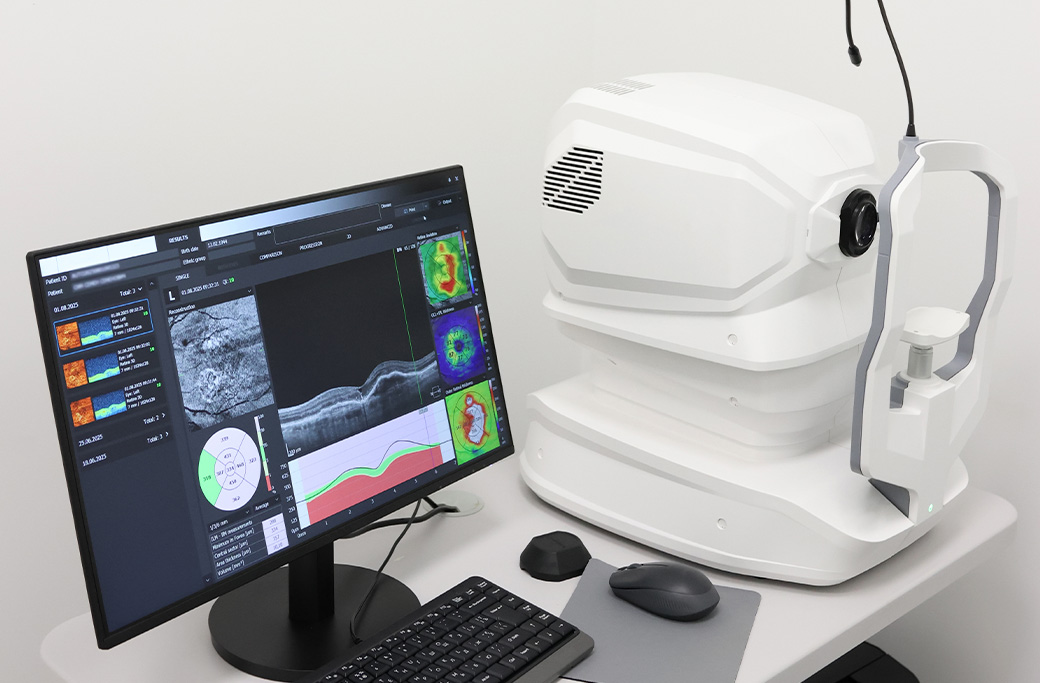
A retina specialist concentrates on conditions affecting the retina and vitreous.
Examples can include:
-
-
Age-related macular degeneration
-
Diabetic retinopathy
-
Diabetic macular edema
-
Retinal tears
-
Retinal detachment
-
Macular holes
-
Macular puckers or epiretinal membranes
-
Retinal vascular disorders
-
Other vitreoretinal conditions
-
The exact evaluation and treatment needed depends on the diagnosis, severity of the condition and individual patient.
If you already know you have a retinal condition, seeing a retina specialist may provide the focused evaluation needed to determine the appropriate next step.
When Should You See a General Ophthalmologist?
A general or comprehensive ophthalmologist may be appropriate when you:
-
-
Need a comprehensive medical eye examination
-
Have an eye problem but do not yet know the cause
-
Need evaluation for conditions such as cataracts or glaucoma
-
Have gradual vision changes without a known retinal diagnosis
-
Need ongoing medical or surgical eye care that does not specifically require a retinal subspecialist
-
If the examination reveals a retinal problem requiring more focused care, your ophthalmologist may recommend evaluation by a retina specialist.
When Should You See a Retina Specialist?
A retina specialist may be particularly appropriate if you:
-
-
Have been diagnosed with a retinal condition
-
Have diabetic retinopathy or another diabetes-related retinal problem
-
Have macular degeneration
-
Have a suspected retinal tear or retinal detachment
-
Have a macular hole, macular pucker or another macular disorder
-
Have been referred after an abnormal retinal examination
-
Need another opinion about a retinal diagnosis or treatment plan
-
Have symptoms that suggest a problem involving the retina
-
The right timing depends on the condition. Some retinal problems are monitored over time, while others require much faster evaluation.
Read How Quickly Should You See a Retina Specialist? for more information about urgent versus routine retinal care.
What Symptoms May Point to a Retinal Problem?
Symptoms alone cannot tell you whether you need a retina specialist, because similar vision changes can have many different causes.
However, retinal problems can sometimes cause:
-
-
New flashes of light
-
A sudden increase in floaters
-
A curtain, shadow or dark area in your vision
-
Distorted or wavy central vision
-
A new blind or missing area
-
Sudden loss of peripheral vision
-
Sudden or significant vision loss
-
MERSI’s guide to flashes and floaters explains why new or rapidly changing symptoms deserve attention.
You can also learn more about sudden vision changes and when to seek specialist care.
Don’t Wait to Decide Which Specialist Is “Right” During an Eye Emergency
If you suddenly lose vision or develop a curtain or shadow across your sight, a sudden shower of new floaters, new flashes with vision changes, or another significant sudden change in vision, seek prompt medical evaluation.
The immediate goal is to determine the cause of the change, not to diagnose yourself or spend time deciding which subspecialty you need.
Can an Ophthalmologist Refer You to a Retina Specialist?
Yes. Referral from an ophthalmologist or another eye-care professional is a common route to retinal specialty care.
For example, an examination may reveal retinal swelling, bleeding, a tear or another abnormality requiring additional evaluation.
But a referral is not necessarily the only way a patient reaches a retina specialist. Patients who already have a retinal diagnosis, have been advised to obtain another opinion, or are concerned about significant retinal symptoms may also contact a specialty practice directly.
Insurance referral requirements can vary, so patients should confirm any plan-specific requirements when scheduling.
Do You Still Need an Ophthalmologist if You See a Retina Specialist?
Often, yes.
A retina specialist’s care is focused primarily on retinal and vitreous disease. Patients may continue seeing another ophthalmologist or eye-care professional for other aspects of their eye health.
For example, someone receiving ongoing retinal care may also need monitoring or treatment for cataracts, glaucoma, corneal conditions or other unrelated concerns.
Eye care is often collaborative. Your doctors may communicate with one another so that retinal care fits into your broader eye-health plan.
What Should You Expect at a Retina Specialist Appointment?
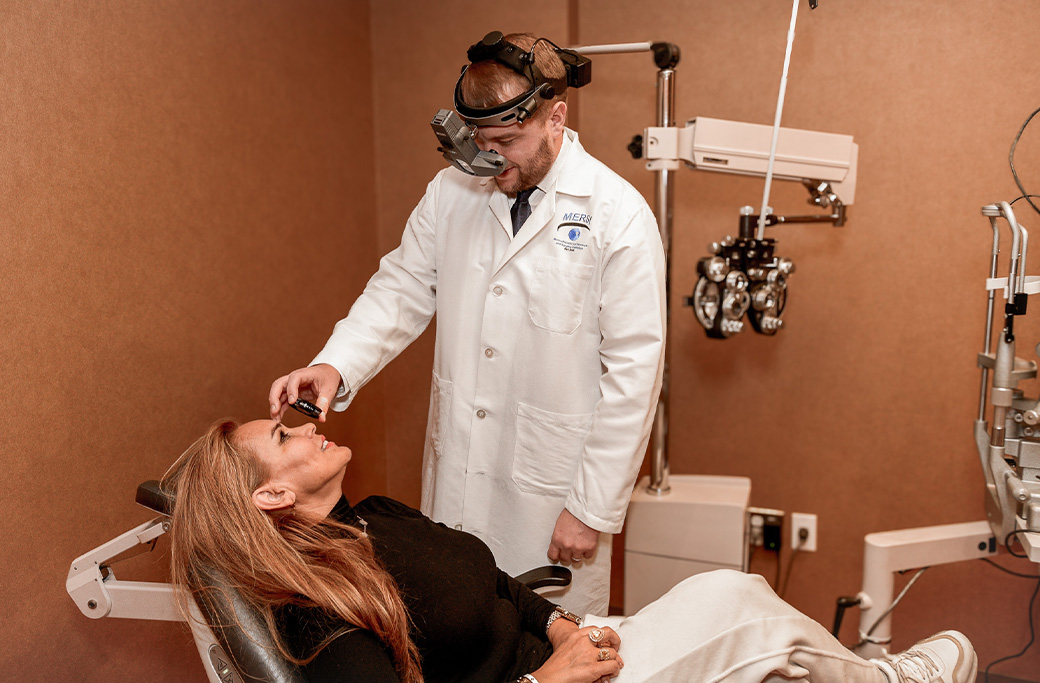
The exact examination depends on your symptoms and condition.
A retinal evaluation commonly includes dilation so the physician can examine the back of the eye in detail. Retinal imaging or other testing may also be recommended depending on what the examination shows.
If you are being referred, bring any relevant medical records, imaging, medication information and details about previous eye treatment when available.
It is also helpful to tell the specialist:
-
-
When your symptoms started
-
Whether the change occurred suddenly or gradually
-
Whether one or both eyes are affected
-
Whether your symptoms are getting worse
-
Whether you have diabetes or another relevant medical condition
-
Whether you have previously been diagnosed with retinal disease
-
These details can help your care team understand the problem and determine which evaluation is appropriate.
Choosing the Right Eye Specialist
You do not need to diagnose your own eye condition before making an appointment.
A useful starting question is:
Does my concern involve general eye health, or is there already reason to suspect a retinal problem?
If you need broad medical eye care or do not yet know the cause of your symptoms, an ophthalmologist can evaluate the problem and determine whether subspecialty care is needed.
If you already have a retinal diagnosis, have been referred for a retinal abnormality or have symptoms strongly suggesting retinal involvement, a retina specialist may be the more appropriate next step.
If symptoms are sudden or severe, however, the priority is prompt medical evaluation rather than determining the perfect category of doctor yourself.
Retina Specialist Care at MERSI
MERSI provides specialized ophthalmology care in Waltham, Massachusetts, including evaluation and treatment of retinal and vitreoretinal conditions.
Patients considering specialized retina care can learn more about MERSI’s retina and uveitis specialists and review the MERSI physician team.
If you have been diagnosed with a retinal condition, have been referred for specialized evaluation or are seeking another opinion, contact MERSI to request an appointment.
If you are experiencing sudden significant vision loss or another possible eye emergency, seek immediate medical attention rather than waiting for a routine appointment.
Frequently Asked Questions
Is a retina specialist different from an ophthalmologist?
A retina specialist is a type of ophthalmologist. Retina specialists first train in ophthalmology and then receive additional subspecialty training focused on diseases of the retina and vitreous.
Do I need a retina specialist for floaters?
Not every floater means you have retinal disease. However, new or suddenly increasing floaters (particularly when accompanied by flashes of light, a shadow, a curtain-like area or vision loss) need prompt evaluation, because they can sometimes occur with retinal tears or detachment.
Can a general ophthalmologist diagnose retinal disease?
Yes. Ophthalmologists are trained to examine the retina and diagnose eye disease. If a retinal condition requires more specialized evaluation or treatment, an ophthalmologist may refer the patient to a retina specialist.
Should I see a retina specialist for macular degeneration?
Macular degeneration affects the retina, so retinal specialists commonly evaluate and manage AMD. The type and timing of care depend on the individual diagnosis and stage of disease.
Do I need a referral to see a retina specialist?
That depends on the practice, your circumstances and your insurance plan. Some patients are referred by another eye doctor, while others seek retina care directly. Check your insurance requirements and contact the specialist’s office if you are unsure.
Medically reviewed by:
Stephen D. Anesi, MD, FACS, Partner & Co-President
Specializes in: Ocular inflammatory diseases, cornea, glaucoma (medical, surgical & MIGS), cataract, and medical retina
Peter Y. Chang, MD, FACS, Partner & Co-President
Specializes in: Ocular inflammatory diseases, vitreoretinal surgery, and cataract
Carl S. Wilkins, MD
Specializes in: Ocular inflammatory diseases, vitreoretinal surgery, and cataract
Reviewed: August 27, 2026