
Quick Answer: Yes, uveitis can come back after treatment. While many patients experience only one episode, others develop recurrent or chronic uveitis that requires ongoing monitoring and treatment. The risk of recurrence depends on the type of uveitis, its underlying cause, and how well inflammation is controlled. Regular follow-up with a uveitis specialist is essential for detecting flare-ups early and protecting your vision.
Why Can Uveitis Return?

Uveitis is inflammation inside the eye. Although treatment can successfully control the inflammation, it does not always eliminate the underlying condition that caused it.
Recurrence is more common when uveitis is associated with:
-
- Autoimmune diseases
- Chronic inflammatory conditions
- Certain infections
- Idiopathic (unknown) causes
Understanding why the inflammation developed is an important part of reducing the risk of future episodes.
Who Is Most at Risk for Recurrent Uveitis?
Some patients have a higher likelihood of experiencing repeated flare-ups.
Factors that may increase the risk include:
-
- Autoimmune diseases such as ankylosing spondylitis, sarcoidosis, or rheumatoid arthritis
- Intermediate or posterior uveitis
- Chronic inflammation requiring long-term treatment
- Delayed diagnosis or treatment
If your uveitis is linked to an autoimmune condition, managing the underlying disease is often an important part of preventing recurrence.
What Are the Signs That Uveitis Has Returned?
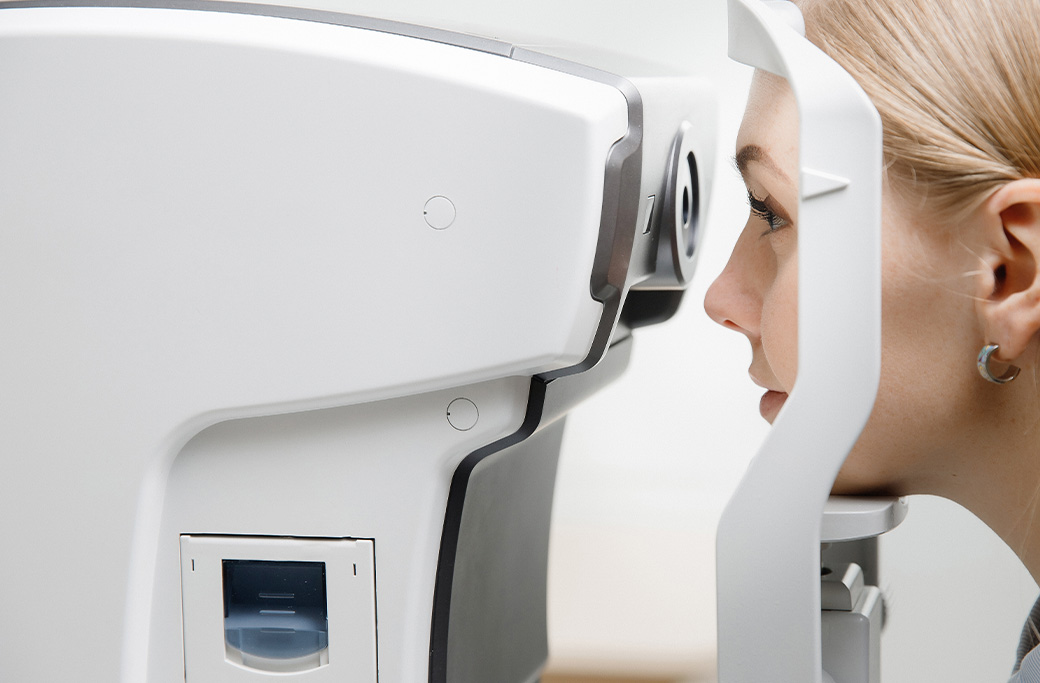
Symptoms of recurrent uveitis are often similar to those experienced during the initial episode.
Watch for:
-
- Eye pain
- Persistent redness
- Light sensitivity
- New floaters
- Blurred or decreased vision
Even mild symptoms should not be ignored. Prompt evaluation can help prevent inflammation from causing permanent damage.
Can Recurrent Uveitis Be Prevented?
Although recurrence cannot always be prevented, following your treatment plan and attending regular follow-up appointments can significantly reduce the risk of complications.
Your ophthalmologist may recommend:
-
- Gradually tapering steroid medications
- Long-term immunosuppressive therapy when appropriate
- Regular eye examinations
- Monitoring for underlying autoimmune or inflammatory disease
For patients with severe or difficult-to-control inflammation, advanced therapies may also be considered. Learn more in What Does IV Treatment for Uveitis Feel Like?
Why Follow-Up Care Matters

Even after your symptoms improve, inflammation can sometimes return without obvious warning signs.
Routine follow-up visits allow your specialist to:
-
- Monitor for recurring inflammation
- Adjust medications if needed
- Detect complications early
- Protect long-term vision
Patients with chronic or recurrent uveitis often require ongoing monitoring, even during periods when the disease appears inactive.
When Should You Contact Your Eye Specialist?
Contact your ophthalmologist promptly if you notice:
-
- New eye pain
- Increased redness
- Sensitivity to light
- New floaters
- Blurred vision
- A return of previous symptoms
Early treatment can often control inflammation before it causes permanent damage.
Learn more about the potential complications of untreated inflammation in Is Uveitis Serious? Risks, Causes & Vision Loss.
Key Takeaway
Uveitis can return after treatment, but early recognition and regular follow-up can help protect your vision. Understanding your individual risk factors, following your treatment plan, and seeking prompt evaluation for new symptoms are important steps in managing recurrent inflammatory eye disease.
Schedule a Follow-Up Evaluation at MERSI
If you have experienced uveitis in the past or are concerned about recurring symptoms, the specialists at MERSI provide comprehensive evaluation and personalized treatment for inflammatory eye diseases.
Using advanced diagnostic imaging and individualized treatment plans, our team works to detect recurrent inflammation early and help preserve your long-term vision. Contact MERSI to schedule a uveitis evaluation.
Frequently Asked Questions
Can uveitis come back after it has been treated?
Yes. Some patients experience only one episode, while others develop recurrent or chronic uveitis that requires ongoing monitoring.
How common is recurrent uveitis?
The likelihood of recurrence varies depending on the type of uveitis and its underlying cause. Patients with autoimmune-related or chronic uveitis generally have a higher risk of future flare-ups.
What causes uveitis to flare up again?
Recurrence may occur because of autoimmune disease, chronic inflammation, infection, or other underlying conditions. In some patients, the exact trigger remains unknown.
How can I reduce the risk of recurrent uveitis?
Following your treatment plan, attending follow-up appointments, and managing any underlying medical conditions can help reduce the risk of recurrence.
Should I see my eye doctor if my symptoms return?
Yes. Eye pain, redness, light sensitivity, floaters, or blurred vision should be evaluated promptly by a uveitis specialist.
Specializes in: Ocular inflammatory diseases, Cornea, Glaucoma
(medical, surgical & MIGS), Cataract, Medical retina
Peter Y. Chang, MD, FACS, Partner and Co-President
Specializes in: Ocular inflammatory diseases, Vitreoretinal surgery, Cataract
Carl S. Wilkins, MD
Specializes in: Ocular inflammatory diseases, Vitreoretinal surgery, Cataract
Reviewed: July 20, 2026