
Accurate diagnosis is the foundation of effective medical treatment. Without a clear understanding of what is happening inside the eye, doctors cannot develop a targeted care plan. This is where advanced diagnostic tools come into play, going far beyond standard eye chart exams.
At the Massachusetts Eye Research and Surgery Institution (MERSI) serving the Boston area, we are leaders in advanced ophthalmic technology, treating everything from common conditions to complex eye diseases.
An often overlooked, but essential part of this level of care is our on-site pathology lab. This specialized facility allows our team to analyze tissue and fluid samples on-site, ensuring your treatment is guided by precise, evidence-based diagnosis.
What Is a Pathology Lab in Eye Care?
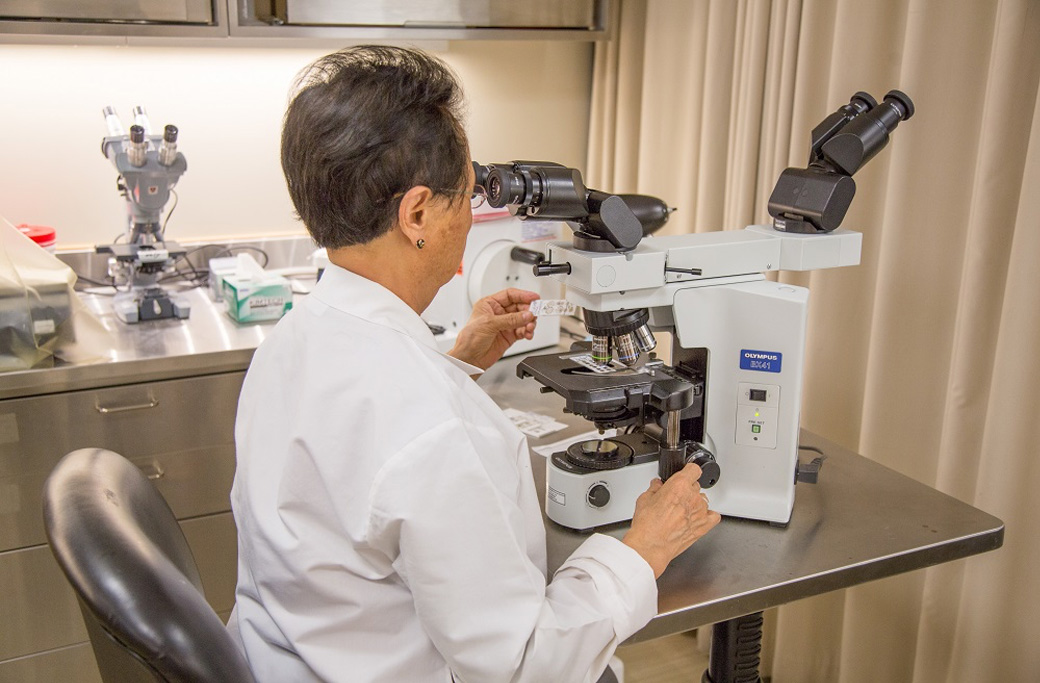
What does a pathology lab do in eye care? An eye pathology lab is a specialized medical facility where trained pathologists analyze tissues, fluids, and biopsies taken from the eye to diagnose complex conditions.
Unlike a general medical lab that processes standard bloodwork or cultures from across the body, an ophthalmic pathology lab focuses strictly on the intricate structures of the eye. This deep specialization allows specialists to pinpoint the exact cellular cause of an issue, leading to a much more precise eye disease diagnosis.
Why a Specialized Eye Pathology Lab Matters
Eye conditions can be incredibly complex. Since the eye’s anatomy is delicate and unique, a general lab may not have the specific tools or expertise needed to catch microscopic abnormalities.
A dedicated ophthalmic lab provides several key advantages. It offers faster, more accurate results. It provides subspecialty expertise that general labs simply cannot match. Furthermore, it creates a direct line of communication between your surgeon and the pathologist, ensuring everyone is on the exact same page regarding your care.
Conditions That May Require Pathology Evaluation
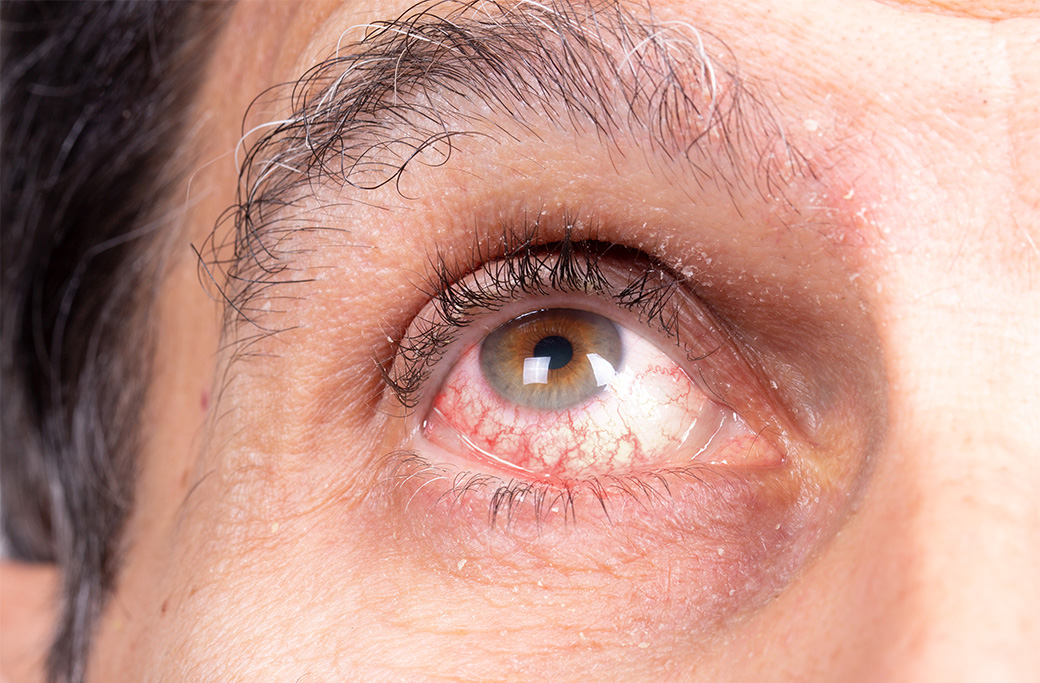
Not every eye issue requires lab testing. However, certain conditions benefit greatly from this deep level of analysis:
-
- Ocular tumors or suspicious growths: To determine if a growth is benign or malignant.
- Inflammatory eye diseases: Conditions like uveitis require precise identification to manage properly.
- Unexplained vision loss: When standard imaging cannot find the root cause, lab analysis often holds the answer.
- Infections affecting the eye and eyelids: Identifying the specific bacteria or virus helps doctors prescribe the correct medication.
- Retinal or vitreous abnormalities: Tissue samples can clarify complex retina diagnosis challenges.
How the Diagnostic Process Works at MERSI
We have designed our diagnostic process to be as smooth and stress-free as possible. Here is a step-by-step look at how it works:
-
- Initial evaluation: You will meet with a MERSI specialist who will conduct a thorough eye exam.
- Decision to obtain a sample: If your doctor needs more information, they may recommend a safe, minimally invasive ocular biopsy or fluid sample.
- Analysis within the lab: The sample goes directly to our on-site CLIA-certified pathology lab for specialized testing.
- Diagnosis and treatment plan: Your doctor reviews the results and works with you to build a personalized treatment strategy.
Advantage of an On-Site Pathology Lab
When exploring the on-site pathology lab benefits, speed and accuracy top the list. Having a diagnostic immunopathology laboratory right at MERSI means your samples do not have to be shipped to an outside facility across the country.
This setup drastically reduces turnaround times. It also fosters improved communication between your physician and lab specialists, leading to more precise, coordinated care. Ultimately, this means reduced delays in starting the treatment you need.
How This Improves Patient Outcomes
An early and accurate diagnosis is the best tool for protecting your vision. By utilizing targeted lab data, doctors can formulate specific treatment plans rather than relying on trial and error.
This targeted approach allows for better management of complex or rare eye conditions. For patients, it brings a sense of confidence and relief, knowing that their medical care is based on concrete diagnostic evidence.
When Might a Patient Need a Pathology Lab?
You might be wondering when this level of testing becomes necessary. Typically, your eye specialist will recommend lab work if your diagnosis remains unclear after standard imaging and clinical exams.
It is also common if your ophthalmologist suspects a tumor, deep infection, or a severe inflammatory condition. Additionally, if you experience persistent symptoms that do not respond to initial treatments, a closer look at the cellular level is often required. You can read our guide on Why Early Detection of Eye Diseases Matters: Signs You Shouldn’t Ignore for more guidance on your symptoms.
Advanced Eye Care Technology at MERSI
The pathology lab is just one part of a much broader ecosystem of advanced care at MERSI. We combine our lab insights with cutting-edge imaging, advanced retina diagnostics, and surgical innovation.
This comprehensive approach reinforces our commitment to providing the highest standard of care for our patients. You can learn more about our complete offerings on our What We Treat page.
Eye Pathology Lab: Why It Matters for Diagnosis
Getting the right treatment starts with getting the right diagnosis. Not all eye care centers offer the advanced diagnostic capabilities of an on-site ophthalmic pathology lab, making MERSI a unique destination for comprehensive eye health.
If you are dealing with a complex retina disorder or an inflammatory disease like uveitis, you deserve answers you can trust. Do not wait for symptoms to worsen. Contact MERSI today to schedule a consultation and take advantage of our specialized diagnostic expertise.
Frequently Asked Questions
What is an eye pathology lab?
It is a specialized laboratory where eye specialists examine tissue and fluid samples from the eye to diagnose complex diseases accurately.
When is an ocular biopsy needed for eye disease?
A biopsy is usually needed when ophthalmologists suspect a tumor, a severe infection, or an unusual inflammatory condition that cannot be diagnosed through standard imaging alone.
How does a pathology lab help diagnose eye conditions?
By looking at cells under a microscope and using special testing techniques, the lab can pinpoint the exact cause of a disease, allowing for a highly targeted treatment plan.
Are eye pathology tests safe?
Yes. The procedures used to collect samples are performed by highly trained specialists using advanced, minimally invasive techniques.
How long do results take?
Since MERSI has an on-site facility, our turnaround times are significantly faster than clinics that must mail samples to external labs, allowing your customized treatment to begin sooner.