
Quick Answer: A uveitis specialist diagnoses and treats inflammatory eye diseases affecting structures inside the eye. These specialists use advanced imaging, laboratory testing, and specialized treatments to identify the cause of inflammation, control disease activity, and protect vision.
Why Do You Need a Uveitis Specialist?
Uveitis is different from many common eye conditions because inflammation inside the eye may have many causes.
It can be related to:
-
- Autoimmune disease
- Infection
- Injury
- Other inflammatory conditions
- Unknown causes
Due to this complexity, uveitis often requires expertise beyond a routine eye examination.
What Conditions Does a Uveitis Specialist Treat?
A uveitis specialist may diagnose and manage:
-
- Anterior uveitis
- Intermediate uveitis
- Posterior uveitis
- Panuveitis
- Scleritis
- Autoimmune-related eye inflammation
- Ocular inflammatory disorders
What Happens During a Uveitis Evaluation?
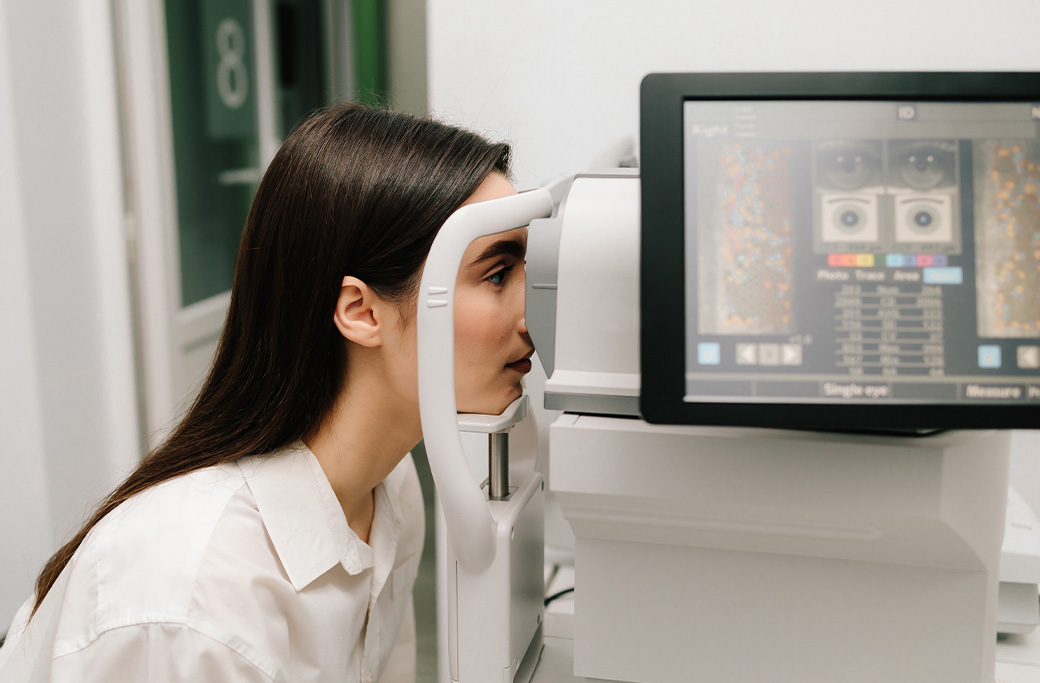
A specialist evaluation may include:
-
- Detailed medical history
- Comprehensive eye examination
- Slit-lamp examination
- Dilated retinal evaluation
- OCT imaging
- Laboratory testing
The goal is not only to confirm inflammation but also determine why it is happening.
How Is a Uveitis Specialist Different From a Regular Eye Doctor?
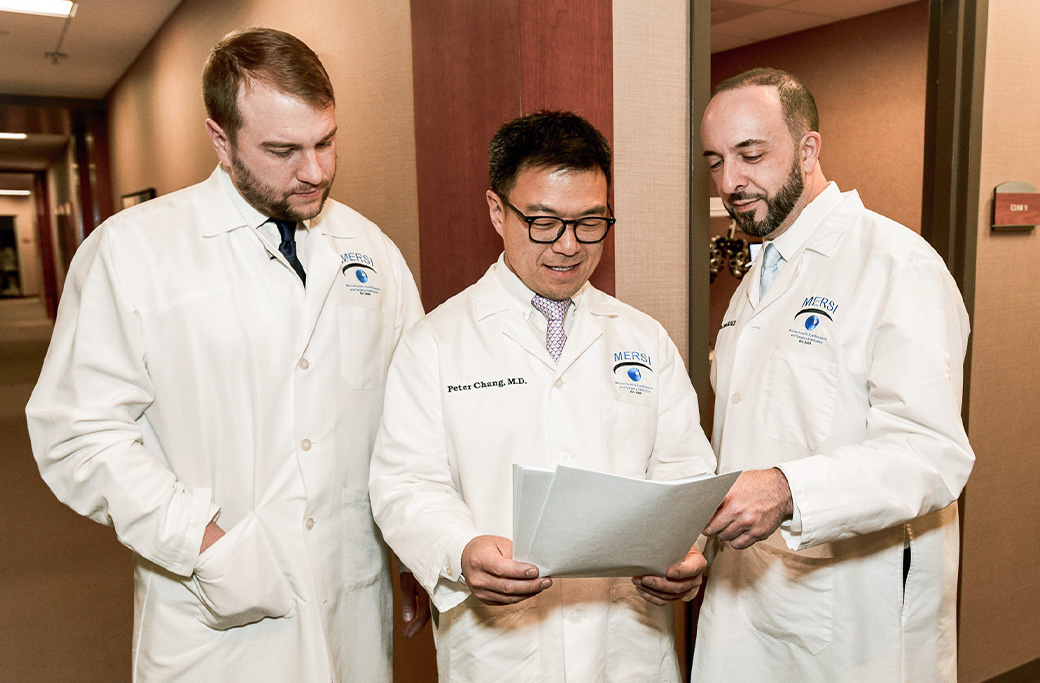
A general ophthalmologist provides essential eye care, but a uveitis specialist focuses specifically on complex inflammatory diseases affecting the eye.
Uveitis specialists often work closely with other physicians, including rheumatologists and internal medicine specialists, when inflammation may involve the entire body.
Uveitis Specialists at MERSI

Patients throughout Greater Boston have access to specialized uveitis care at MERSI in Waltham.
Our fellowship-trained retina and uveitis specialists provide:
-
- Advanced diagnostic evaluation
- Personalized treatment planning
- Long-term inflammatory disease management
- Access to advanced therapies, including infusion treatment when appropriate
Schedule a Uveitis Evaluation
If you have persistent redness, eye pain, floaters, light sensitivity, or unexplained vision changes, specialized evaluation can help determine the cause and protect your vision.
Schedule a consultation with MERSI’s uveitis specialists in Waltham, MA.
Frequently Asked Questions
Do I need a referral to see a uveitis specialist?
Referral requirements vary depending on your insurance plan. Many patients are referred by their optometrist, ophthalmologist, or primary care physician, while others schedule an evaluation after experiencing symptoms such as eye pain, redness, or vision changes.
When should I see a uveitis specialist?
You should seek evaluation if you have persistent eye redness, pain, light sensitivity, floaters, blurred vision, or have been diagnosed with uveitis. Early diagnosis and treatment can help prevent vision-threatening complications.
What is the difference between a uveitis specialist and a general ophthalmologist?
A general ophthalmologist treats a wide range of eye conditions, while a uveitis specialist has advanced training in diagnosing and managing inflammatory eye diseases. These conditions often require specialized imaging, laboratory testing, and long-term treatment plans.
Can a uveitis specialist diagnose autoimmune diseases?
A uveitis specialist can identify signs that suggest an underlying autoimmune condition and may recommend laboratory testing or coordinate care with a rheumatologist or other medical specialist to determine the cause of inflammation.
Does MERSI treat chronic and autoimmune-related uveitis?
Yes. MERSI provides comprehensive evaluation and treatment for acute, chronic, and autoimmune-related uveitis, including advanced diagnostic testing, medical management, and infusion therapy when appropriate.