
Quick Answer
During a uveitis appointment, a specialist evaluates the eye for inflammation, performs detailed imaging and testing, reviews your medical history, and develops a personalized treatment plan based on the cause and severity of your condition. Due to the fact that uveitis can have many different causes, a specialist visit goes beyond a routine eye exam to determine what is triggering the inflammation and how best to protect your vision.
If you are new to uveitis, start with our guide: What Is Uveitis? Symptoms, Causes, Diagnosis & Treatment to better understand the condition, common symptoms, and why early evaluation is important.
What Should I Expect at My First Uveitis Visit?
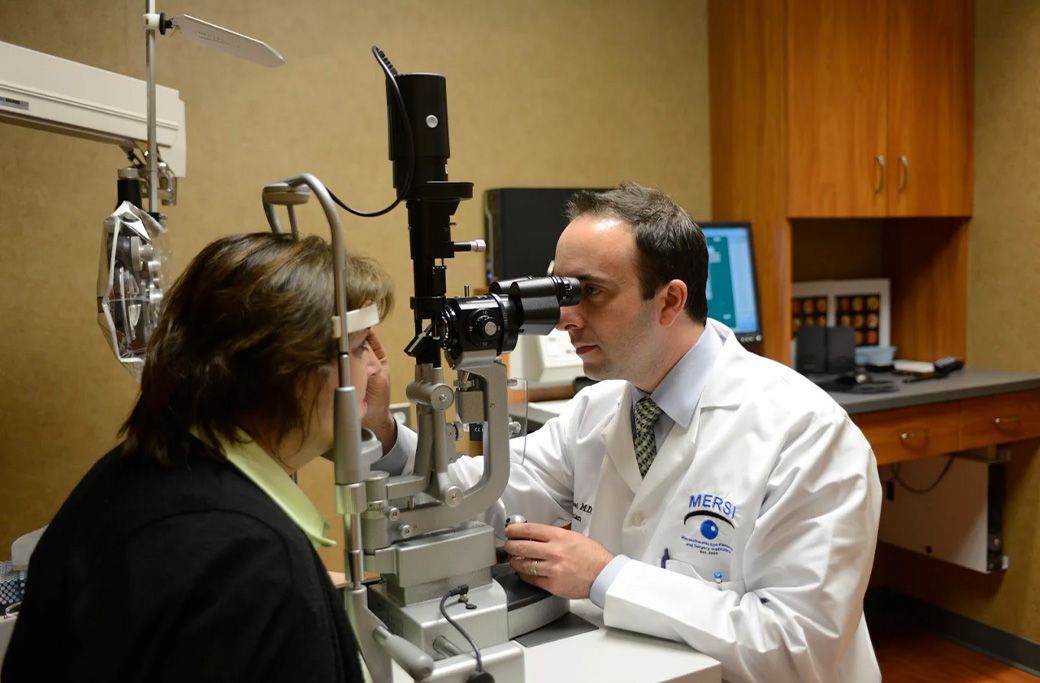
A uveitis appointment is more detailed than a routine eye examination because the goal is to understand both the eye inflammation and the reason it developed.
Your visit may include:
Medical History Review
Your specialist may ask about:
-
- Previous eye problems
- Autoimmune conditions
- Infections
- Medications
- Previous treatments
Comprehensive Eye Examination
Testing may include:
-
- Vision testing
- Eye pressure measurement
- Slit-lamp examination
- Dilated retinal examination
Advanced Imaging
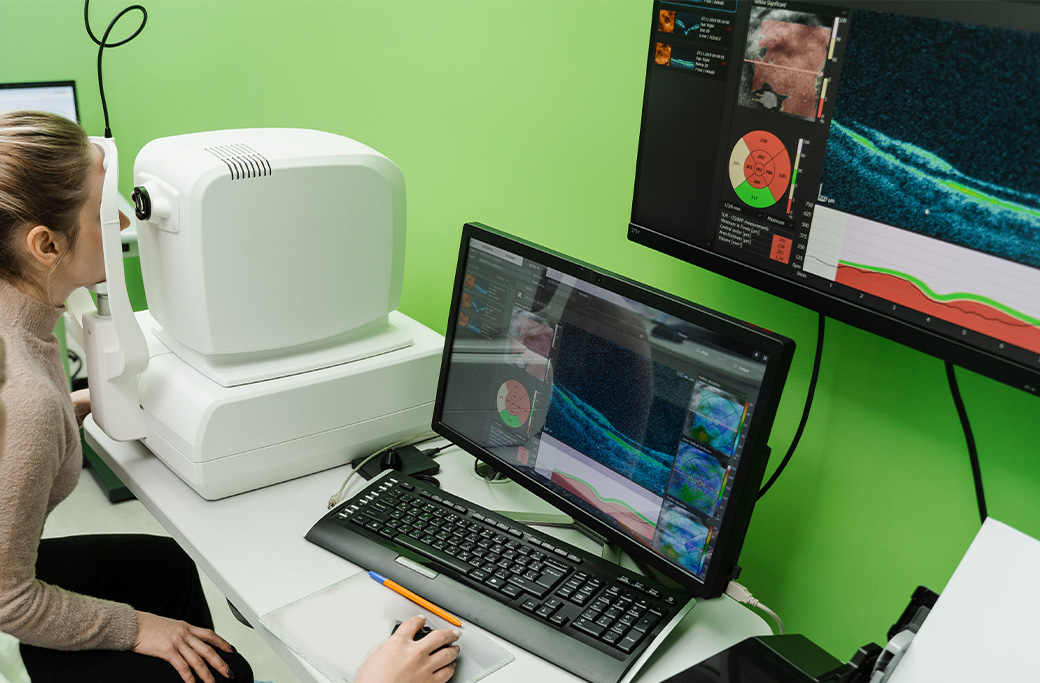
Depending on your condition, your specialist may use:
-
- OCT imaging
- Retinal photography
- Fluorescein angiography
Learn more about the diagnostic process in What Tests Are Used to Diagnose Uveitis? Eye Exam Guide.
Will I Need Blood Tests?
Sometimes. Since uveitis can be associated with systemic inflammatory diseases, laboratory testing may be recommended to help identify possible causes. Blood work is often recommended when specialists suspect an underlying autoimmune condition.
Testing may evaluate for:
-
- Autoimmune conditions
- Inflammatory markers
- Certain infections
Will Treatment Start at the First Appointment?
In many cases, your specialist will discuss treatment options after evaluating your condition.
Treatment may include:
-
- Steroid medications
- Immunomodulatory medications
- Injections
- IV infusion therapy for certain complex cases
Some patients with severe inflammation may benefit from advanced therapies. Wondering how long recovery may take? Read How Long Does Uveitis Treatment Take?
Preparing for Your Uveitis Appointment
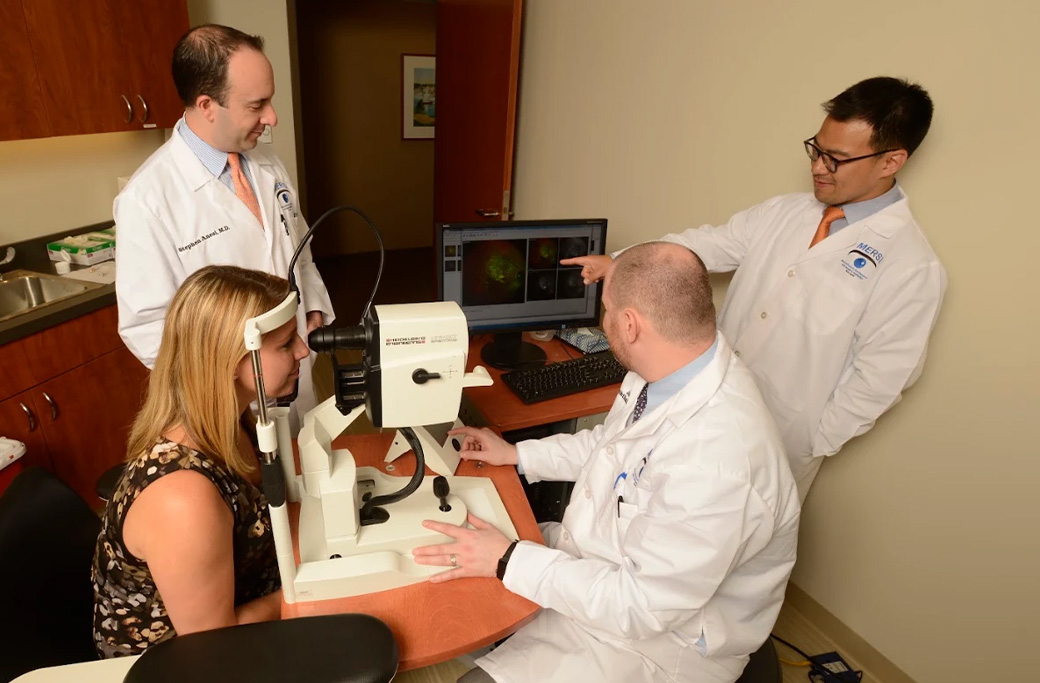
Helpful steps include:
-
- Bring a list of medications
- Bring information about previous eye treatments
- Share any autoimmune diagnoses
- Be prepared to discuss when symptoms began
Uveitis Evaluation at MERSI
At MERSI, patients receive specialized evaluation for complex inflammatory eye disease. Our team combines advanced diagnostic technology with individualized treatment planning to help identify the cause of inflammation and protect vision.
If you’re looking for specialized inflammatory eye care, learn more about Uveitis Treatment Near Waltham, MA and how MERSI helps patients throughout Greater Boston.
Frequently Asked Questions
What happens at the first appointment with a uveitis specialist?
During your first uveitis appointment, the specialist will review your medical history, perform a comprehensive eye examination, evaluate inflammation inside the eye, and determine whether additional testing is needed. Your visit may include advanced imaging, laboratory testing, and a discussion of possible treatment options.
How long does a uveitis appointment take?
The length of a uveitis appointment varies depending on your symptoms, the complexity of your condition, and the testing required. Since uveitis evaluations often involve detailed examinations and imaging, appointments may take longer than a routine eye exam.
What tests are done during a uveitis appointment?
Testing may include vision testing, eye pressure measurement, a slit-lamp examination, a dilated retinal exam, and advanced imaging such as OCT or retinal photography. Some patients may also need blood tests to help identify autoimmune, inflammatory, or infectious causes.
Will I receive treatment during my first uveitis visit?
Treatment depends on the severity and cause of inflammation. After evaluating your condition, your specialist may recommend medications such as steroid treatments, immunomodulatory therapies, injections, or other advanced treatments. Some patients may begin treatment shortly after diagnosis, while others may require additional testing first.
Should I bring anything to my uveitis appointment?
Yes. It is helpful to bring a list of current medications, information about previous eye treatments, and details about any autoimmune conditions or other health concerns. Sharing when symptoms started and how they have changed can help your specialist better understand your condition.