
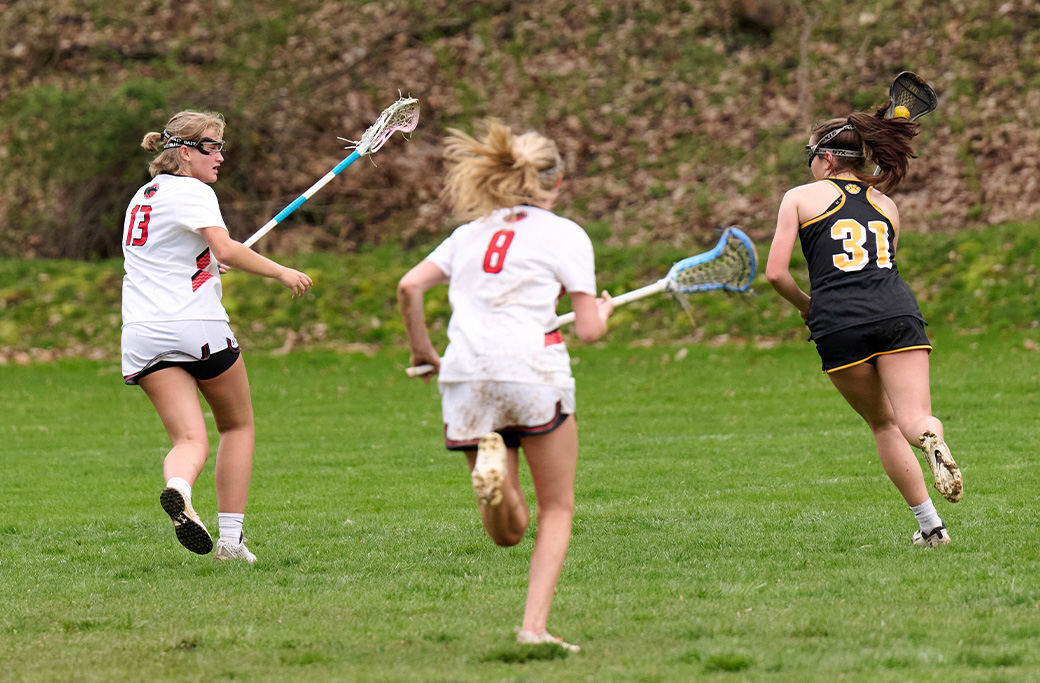
Can a Sports Injury Cause a Retinal Tear or Detachment?
Yes. A direct blow to the eye or surrounding area during sports can cause a retinal tear or retinal detachment. Warning signs may include sudden flashes of light, a sudden increase in floaters, a curtain or shadow in your vision, missing side vision, sudden blurring or vision loss.
A retinal detachment may not cause pain, and the seriousness of an injury cannot always be judged by how the eye looks from the outside. Stop playing and seek prompt medical guidance after a significant eye injury. If you develop retinal-detachment symptoms, seek immediate eye care.
How Can A Sports Injury Damage The Retina?
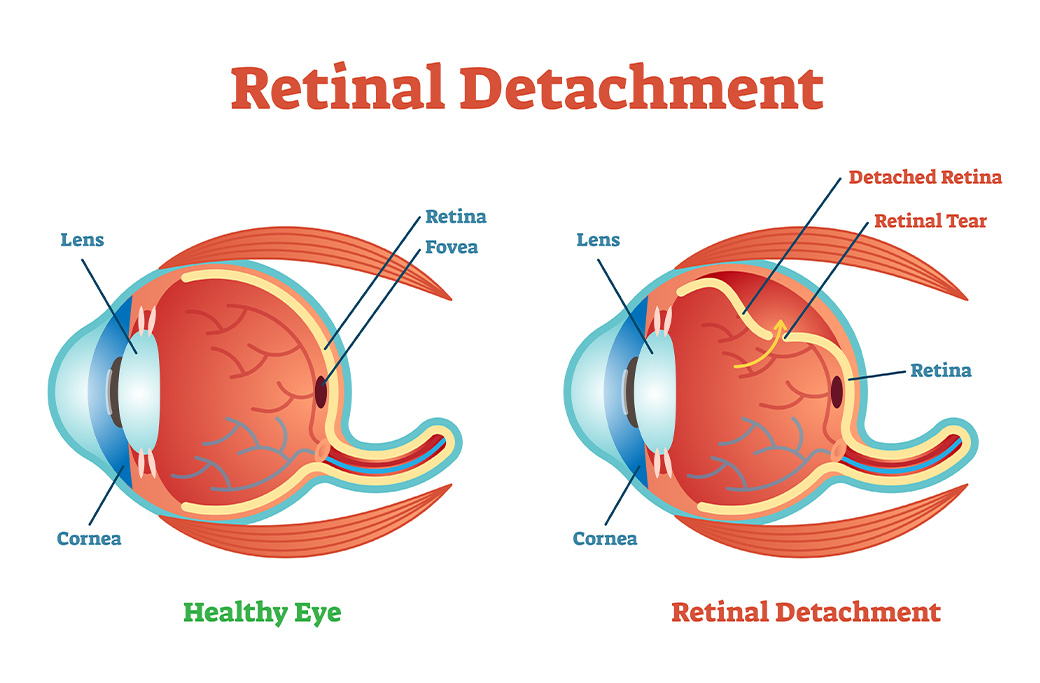
The retina is a thin layer of light-sensitive tissue lining the back of the eye. It converts light into signals that travel to the brain and allow you to see.
When a ball, puck, racquet, elbow, finger or another object strikes the eye, the force can briefly compress or distort the eye. This movement may pull on the vitreous (the clear gel filling the inside of the eye) and the retina.
Depending on the force and location of the impact, the injury may cause:
-
-
A retinal tear or hole
-
Bleeding inside the eye
-
Swelling or bruising of retinal tissue
-
Separation of the retina from the tissue beneath it
-
Damage to other parts of the eye, including the lens, optic nerve or structures at the front of the eye
-
A retinal tear is a break in the retinal tissue. If fluid moves through the tear and collects underneath the retina, part of the retina can separate from its normal position. This is called a retinal detachment.
Not every blow to the eye causes retinal damage. However, a significant impact deserves attention because internal injury can be present even when there is little swelling or bruising outside the eye.
Which Sports Can Cause Serious Eye Injuries?
An eye injury can occur in nearly any athletic activity, but risk increases when the sport involves:
-
-
Fast-moving balls, pucks or projectiles
-
Racquets, bats, sticks or paddles
-
Close physical contact
-
Fingers or elbows near the face
-
Falls or collisions
-
Equipment that can strike or penetrate the eye
-
Basketball, baseball, softball, hockey, lacrosse, racquet sports, pickleball, soccer, martial arts, and activities involving airsoft or paintball equipment can all expose the eyes to impact.
The type of protection needed varies by sport. A helmet alone may not adequately protect the eyes, and ordinary prescription glasses are not designed to serve as sports eye protection.
What Are The Warning Signs Of A Retinal Tear Or Detachment After An Injury?
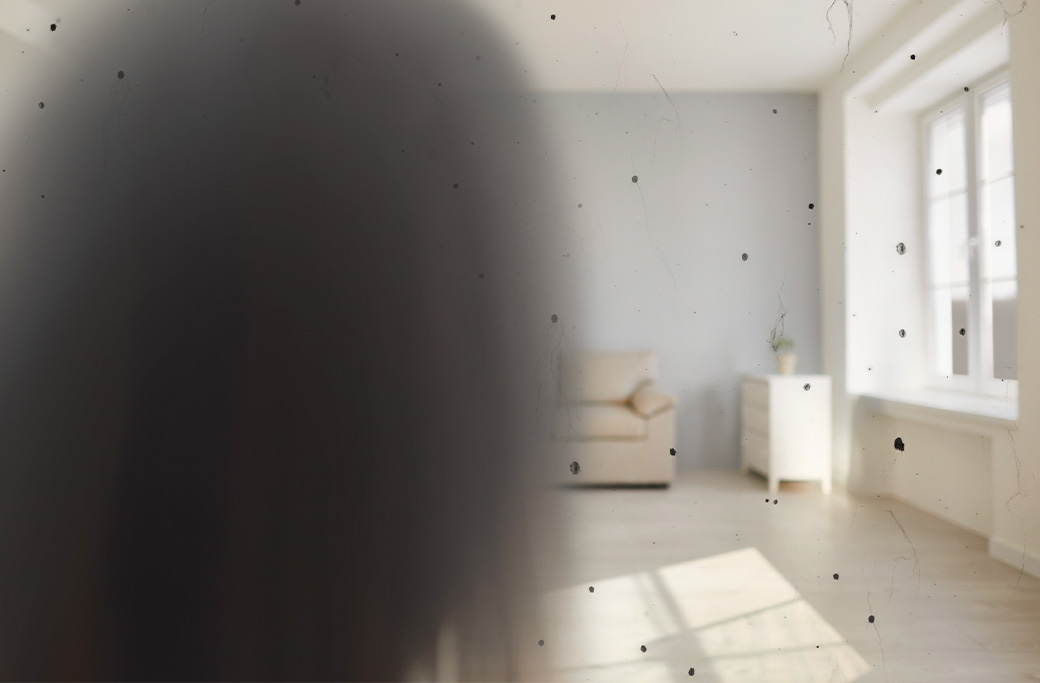
Retinal problems can cause sudden visual symptoms, including:
-
-
New flashes of light
-
A sudden increase or “shower” of floaters
-
A dark curtain, veil or shadow entering the visual field
-
Loss of peripheral or side vision
-
A new blurry or missing area
-
Sudden distortion
-
A sudden decrease or loss of vision
-
These symptoms can affect one eye and may occur without pain.
Read more about when flashes and floaters may signal a retinal problem.
Do not wait for retinal-detachment symptoms to improve
A curtain or shadow, sudden vision loss, missing peripheral vision, or new flashes and floaters following an eye injury requires immediate evaluation.
Contact an eye-care professional or seek emergency medical care. Do not drive yourself if your vision has been affected.
Can Retinal Symptoms Appear Later?
Some eye injuries produce immediate pain or vision changes. Other internal complications may not be obvious right away.
Symptoms related to a retinal tear or detachment can sometimes develop after the initial impact. Follow the examining physician’s instructions and remain alert for new flashes, floaters, shadows, distortion, or vision loss after the injury; even if the eye initially seemed to improve.
If new symptoms appear after you have already been examined, contact your eye-care team again rather than assuming they are part of normal recovery.
Should You Have Your Eye Examined If Your Vision Seems Normal?
After a significant direct blow to the eye, it is appropriate to contact an eye-care professional for guidance even if your vision initially appears normal. The need and timing of an examination depend on the force of the injury, symptoms, visible damage and personal eye history.
Evaluation is especially important when:
-
-
The impact came from a fast-moving or high-velocity object
-
You have pain, light sensitivity, double vision or persistent redness
-
The pupil looks different or irregular
-
You see blood in or around the eye
-
The eye or surrounding area is significantly swollen
-
You develop any change in vision
-
You have severe nearsightedness
-
You previously had a retinal tear, retinal detachment or eye surgery
-
You have a condition known to affect the retina
-
The injured person is unable to describe their symptoms reliably
-
A professional examination is the only reliable way to determine whether the retina and other internal structures have been affected.
What Should You Do Immediately After A Sports-Related Eye Injury?
Stop playing and avoid further impact.
For a blunt blow to the eye:
-
-
Do not rub or press on the eye.
-
Do not try to “test” the eye by continuing to play.
-
A cold compress may be held gently near the injury, without applying pressure directly to the eye.
-
Seek medical guidance, particularly if there is pain, blurred vision, bleeding, marked swelling or any change in sight.
-
For a cut, puncture or object embedded in the eye:
-
-
Do not remove the object.
-
Do not rinse, rub or press on the eye.
-
Do not apply medication or ointment.
-
Protect the eye from additional contact without pressing on it.
-
Seek emergency medical care immediately.
-
Different eye injuries require different first-aid responses, so significant trauma should not be managed solely through online instructions.
MERSI’s guide to sudden vision changes explains additional symptoms that warrant immediate attention.
How Does An Eye Doctor Check For A Retinal Injury?
An evaluation may include a review of how the injury occurred, a vision assessment and an examination of both the front and back of the eye.
Dilating the pupil allows the ophthalmologist to examine the retina, including its peripheral areas, for a tear, detachment, bleeding or other damage. Retinal imaging or ultrasound may be recommended when additional information is needed or when the doctor cannot obtain a clear view of the retina.
Learn more about the examinations and specialist services available through Retina Care at MERSI.
How Are Retinal Tears And Detachments Treated?
Treatment depends on what the examination shows.
A retinal tear may sometimes be treated with a laser or freezing procedure designed to seal the area around the tear and reduce the likelihood that fluid will pass underneath it.
A retinal detachment may require a surgical procedure to return the retina to its proper position. The recommended approach depends on the location and extent of the detachment, whether other parts of the eye were injured and the patient’s overall eye health.
Only an ophthalmologist who has examined the eye can recommend an appropriate treatment plan.
Can Protective Eyewear Prevent A Retinal Injury?
Appropriate sports eye protection can reduce the risk and severity of many eye injuries, but no equipment eliminates every possibility of injury.
For better protection:
-
-
Choose eye guards made for the specific sport.
-
Look for polycarbonate lenses.
-
Confirm that the protector meets the current sport-specific ASTM standard.
-
Make sure it fits securely without interfering with a helmet or other equipment.
-
Replace damaged, deeply scratched or poorly fitting protection.
-
Ask an eye-care professional about prescription sports protection if you normally wear glasses.
-
Do not rely on everyday prescription glasses or sunglasses as protective sports equipment.
-
Parents and coaches should make eye protection part of the athlete’s standard equipment before practices as well as games.
When Should You See A Retina Specialist?
An ophthalmologist or emergency medical professional can evaluate an acute eye injury and determine whether retina-specialist care is needed.
Retina-specialist evaluation may be appropriate when an injury causes or is suspected of causing:
-
-
A retinal tear
-
A retinal detachment
-
Bleeding inside the eye
-
New flashes or floaters
-
Missing peripheral vision
-
A curtain or shadow in the visual field
-
Unexplained vision loss
-
Learn how quickly you should see a retina specialist when symptoms or a suspected retinal condition are present.
Seek Specialized Care After A Sports-Related Retinal Injury
MERSI provides specialized evaluation and treatment for retinal tears, retinal detachments and other vitreoretinal conditions for patients throughout Greater Boston and New England.
If you have sudden flashes, new floaters, a curtain or shadow, missing side vision or sudden vision loss after an injury, call MERSI at 781-891-6377 for immediate guidance or seek emergency medical care. Do not submit a routine online appointment request for an active vision emergency.
For non-emergency retinal concerns or follow-up care, you may request an appointment with MERSI.
This article provides general educational information and does not replace an examination, diagnosis, emergency evaluation or individualized medical advice from a qualified healthcare professional.
Frequently Asked Questions
Can getting hit in the eye cause a detached retina?
Yes. A forceful impact can damage the retina or contribute to a retinal tear or detachment. Because the injury may be inside the eye, the absence of dramatic external bruising does not necessarily rule out retinal damage.
Is retinal detachment after an injury painful?
Retinal detachment is often painless. Warning signs are usually visual and may include sudden floaters, flashes, missing peripheral vision, or a curtain or shadow in the visual field.
How soon after an eye injury can retinal-detachment symptoms appear?
Symptoms may occur at the time of the injury or develop later. Anyone who has sustained significant eye trauma should follow the examining clinician’s instructions and seek immediate care for new flashes, floaters, shadows or vision loss.
Can I return to sports after being hit in the eye?
Do not return to play while experiencing pain, vision changes or other concerning symptoms. The appropriate return-to-play timing depends on the type and severity of the injury and should be determined by the treating medical professional.
Do regular glasses protect the eyes during sports?
No. Everyday prescription glasses and sunglasses are not substitutes for sport-specific protective eyewear. Athletes who need vision correction can ask an eye-care professional about prescription sports eye guards.
Medically reviewed by:
Stephen D. Anesi, MD, FACS, Partner & Co-President
Specializes in: Ocular inflammatory diseases, cornea, glaucoma (medical, surgical & MIGS), cataract, and medical retina
Peter Y. Chang, MD, FACS, Partner & Co-President
Specializes in: Ocular inflammatory diseases, vitreoretinal surgery, and cataract
Carl S. Wilkins, MD
Specializes in: Ocular inflammatory diseases, vitreoretinal surgery, and cataract
Reviewed: August 27. 2026