
What Records Should You Send for a Complex Eye-Care Consultation?
Preparing for a consultation about a complex eye condition? Your ophthalmologist may find it helpful to review previous eye examinations, diagnostic images, treatment records, medications, and relevant medical history.
You do not need to gather every possible record before your appointment. The information MERSI requests will depend on your eye condition, previous care and the reason for your consultation.
The best first step is to contact the Massachusetts Eye Research and Surgery Institution (MERSI) and ask which records are needed, when they should be available, and how to transfer them securely.
Why Are Previous Eye-Care Records Important?
When an eye condition is difficult to diagnose, has changed over time, or has not responded as expected to treatment, previous records can provide valuable context.
They may help your ophthalmologist understand:
-
-
When your symptoms began and how they have changed
-
Which examinations and diagnostic tests have been performed
-
Whether previous imaging shows changes over time
-
Which treatments you have received and how you responded
-
Whether other medical conditions may be relevant
-
Having this information available may help your physician plan the evaluation. However, additional or repeat testing may still be necessary.
1. Recent Eye Examination Notes and Diagnostic Imaging
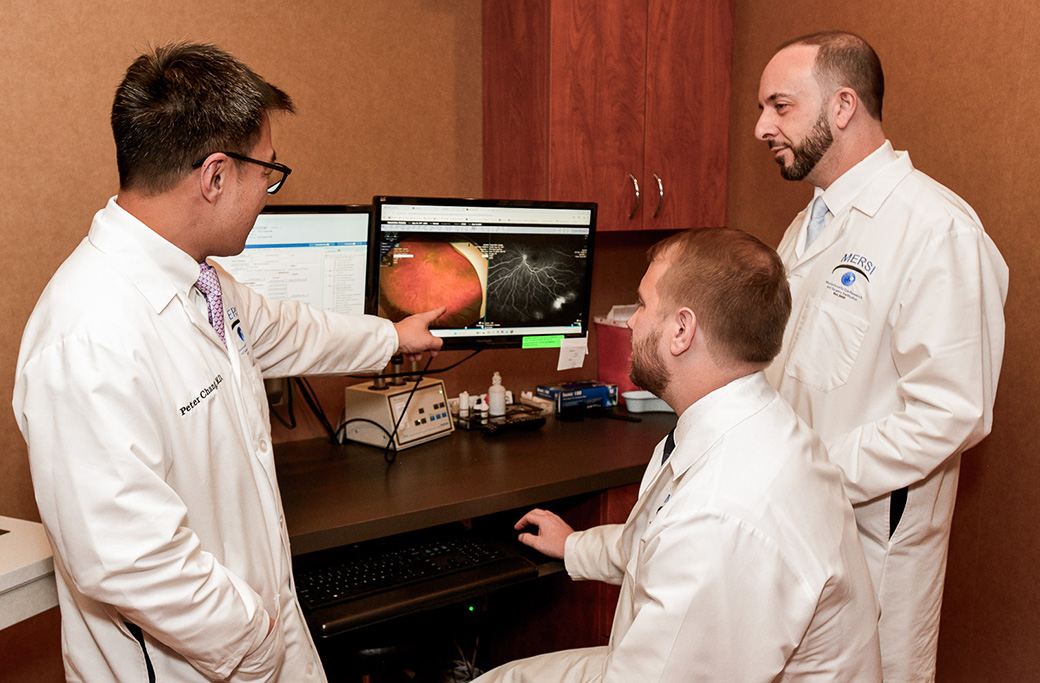
Examination and Consultation Notes
Recent notes from your ophthalmologist, optometrist, or other treating physician may provide information about your diagnosis, visual acuity, eye pressure, examination findings and recommended care.
Imaging and Diagnostic Test Results
Depending on your condition, MERSI may request:
-
-
Optical coherence tomography (OCT): Detailed cross-sectional images that can help evaluate retinal structures and certain other eye conditions.
-
Fundus photography: Photographs documenting the appearance of the retina and other structures inside the eye.
-
Fluorescein angiography: Imaging that helps evaluate retinal blood vessels and circulation.
-
Visual-field testing: Results showing areas of central or peripheral vision that may be affected.
-
Corneal or optic-nerve imaging: Specialized tests relevant to certain corneal conditions or glaucoma.
-
Ask whether MERSI needs the original images, written reports, or both. Diagnostic image files may require different handling than ordinary medical documents.
2. Previous Eye Surgery and Procedure Reports
If you have undergone eye surgery or another procedure, your physician may want to understand what was performed and when.
Useful records may include:
-
-
Operative reports from previous eye surgeries
-
Records of retinal injections or laser treatments
-
Documentation of glaucoma procedures
-
Corneal surgery or transplant records
-
Relevant pathology or culture reports
-
Notes describing complications or responses to treatment
-
Not every previous procedure will be relevant. Ask MERSI which records would be most helpful for your particular consultation.
3. Medications, Eye Drops and Treatment History
A current medication list is one of the most practical items you can prepare.
Include prescription medications, eye drops, relevant over-the-counter products and supplements. When possible, record the medication name, dose and how often you use it.
Also include:
-
-
Known medication allergies
-
Previous medications used for your eye condition
-
Treatments that helped or did not help
-
Significant side effects or reactions
-
Dates or approximate timeframes of previous treatment
-
Do not stop or change prescribed medication simply to prepare for your appointment. Discuss medication questions with your treating physician.
4. Relevant Laboratory Results and Medical History
Some eye conditions are associated with medical conditions elsewhere in the body.
For example, an evaluation for uveitis or ocular inflammatory disease may involve reviewing previous laboratory testing, medication history and records from other specialists.
Depending on your circumstances, useful information may include:
-
-
Relevant blood tests or infectious disease testing
-
Rheumatology or immunology consultation notes
-
Previous pathology reports
-
Important systemic diagnoses
-
Relevant hospital or emergency department records
-
You generally do not need to assemble your entire lifetime medical history. Ask which information relates to your current eye condition.
5. Records May Differ by Eye Condition
Different ophthalmic specialties use different diagnostic information.
Retina consultation: Previous OCT scans, retinal photographs, angiography, injection records or retinal surgery reports may be useful.
Uveitis or ocular inflammatory disease consultation: Previous laboratory testing, imaging, medication history and notes from other treating specialists may provide important context.
Cornea consultation: Corneal imaging, prior surgical records, cultures, pathology reports or treatment history may be relevant.
Glaucoma consultation: Previous visual-field tests, optic-nerve imaging, eye-pressure measurements, medication history and operative reports may help document the condition over time.
These are examples, not mandatory record requirements. Your MERSI care team can clarify what applies to your visit.
6. Referral and Insurance Information
If another physician recommended your consultation, have that clinician’s name, practice, and contact information available.
A physician referral and insurance authorization are not necessarily the same thing. Requirements may vary by insurance plan, physician and planned services.
Before your visit, ask MERSI and your insurance provider whether a referral, authorization, or additional documentation is necessary.
7. Prepare Your Symptoms and Questions
Your own observations are also valuable.
Consider writing down:
-
-
When symptoms first appeared
-
Which eye is affected
-
Whether symptoms are constant or intermittent
-
Any changes in vision, pain, redness or light sensitivity
-
What seems to improve or worsen symptoms
-
The questions you most want answered
-
You might ask what previous results mean, whether additional testing is needed, which treatment options may be appropriate, or how follow-up care could be coordinated with your current ophthalmologist.
Important: Sudden vision loss, a new curtain or shadow in your vision, severe eye pain, or other rapid changes may require urgent evaluation. Do not wait for a routine consultation or medical-record transfer to seek appropriate care.
8. How Do You Send Medical Records to MERSI?
Before sending medical information, contact MERSI directly to confirm:
-
-
Which records and imaging files are requested
-
Whether they should be provided before your appointment
-
Which secure transfer method MERSI currently accepts
-
Whether additional instructions apply to diagnostic images
-
How to confirm that the requested information was received
-
Do not assume that ordinary email, a general website contact form, or social media is an appropriate way to transmit protected medical information.
If your current eye doctor maintains the records, ask that office how to request copies or coordinate a transfer using MERSI’s confirmed instructions.
9. Printable Eye-Care Consultation Records Checklist
Use this checklist as a conversation guide when contacting MERSI or your current eye doctor. Not every item will apply to every patient.