
Quick Answer: Yes. Diabetic retinopathy can cause blindness if left untreated, particularly when retinal damage progresses to advanced stages. However, early detection, routine retinal exams, and timely treatment can often help prevent severe vision loss.
How Diabetic Retinopathy Can Lead to Blindness

Diabetic retinopathy is a diabetes-related eye condition that damages the small blood vessels inside the retina, the light-sensitive tissue responsible for clear vision.
Over time, high blood sugar can weaken or block retinal blood vessels, causing leaking, swelling, or bleeding inside the eye. As damage worsens, abnormal blood vessels may grow on the retina and increase the risk of permanent vision complications.
This is why many people wonder: Can diabetes make you blind? The answer is that diabetes-related blindness is possible—but often preventable with proper eye care and monitoring.
If you are wondering whether diabetes can damage your retina, early retinal screening is one of the best ways to identify problems before vision becomes affected.
When Does Diabetic Retinopathy Become Dangerous?
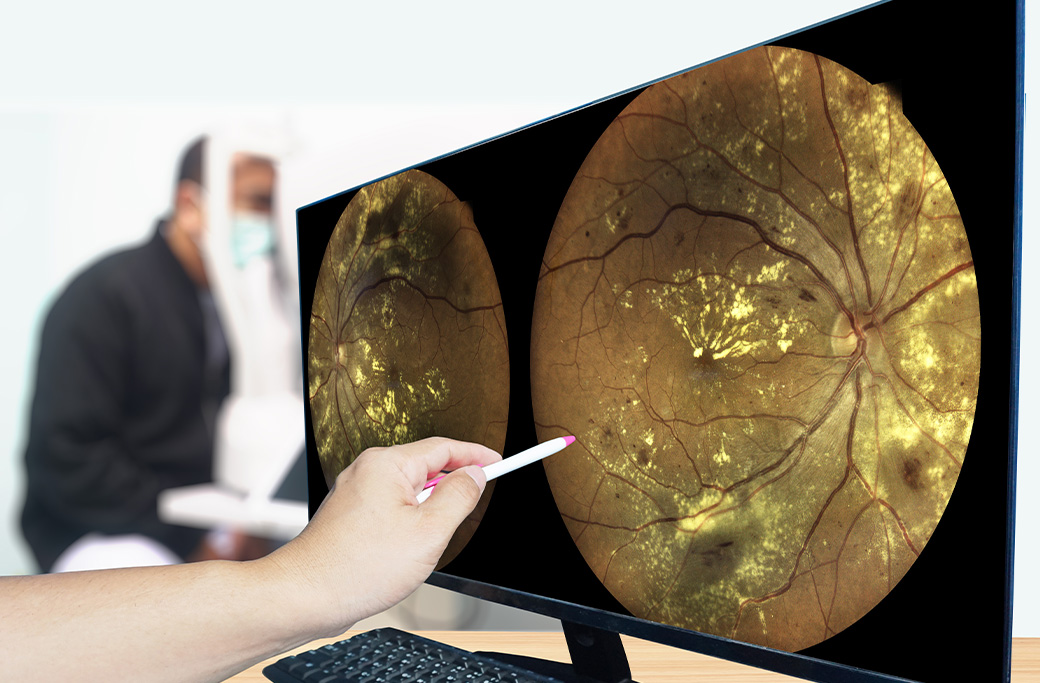
In its early stages, diabetic retinopathy may not cause noticeable symptoms. However, untreated retinal damage can progress and increase the risk of serious complications that threaten vision.
These may include:
Diabetic Macular Edema (DME)
Swelling in the central part of the retina (macula) can cause blurry or distorted vision and make reading or driving difficult.
Bleeding Inside the Eye
Fragile abnormal blood vessels can leak blood into the vitreous (gel inside the eye), leading to floaters, blurry vision, or sudden visual obstruction.
Retinal Detachment
Scar tissue from advanced diabetic retinopathy can pull on the retina, potentially causing retinal detachment—a medical emergency that may lead to permanent vision loss.
Glaucoma Risk
Abnormal blood vessel growth may increase pressure inside the eye, contributing to glaucoma and additional vision damage.
What Are the Warning Signs?
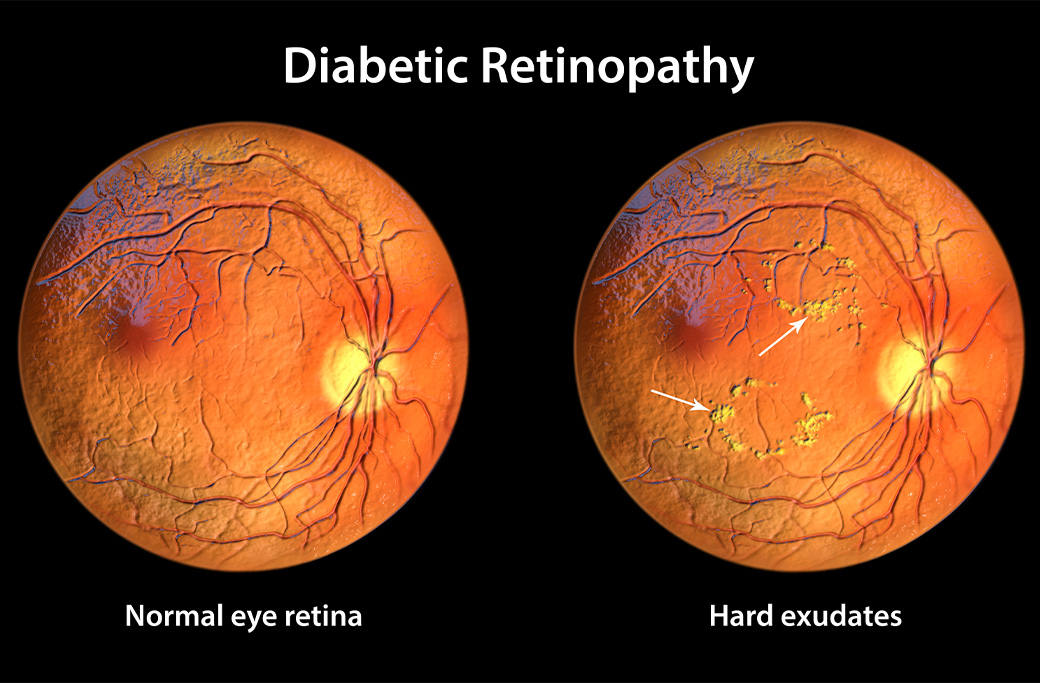
Diabetic retinopathy often develops silently, but symptoms may appear as damage progresses.
Common warning signs include:
-
- Blurry or fluctuating vision
- Floaters or dark spots
- Difficulty seeing at night
- Dark or empty areas in vision
- Sudden vision changes or vision loss
Learn more about the symptoms of diabetic retinopathy and when changes in vision should be evaluated.
Can Blindness From Diabetic Retinopathy Be Prevented?
In many cases, yes.
Routine retinal monitoring allows specialists to detect microscopic retinal changes before severe damage occurs. Early treatment may help slow progression and reduce the risk of permanent vision loss.
Most diabetic patients should have regular retinal exams, even if vision seems normal.
Learn more about how often diabetics should get retinal exams and why proactive monitoring matters.
How MERSI Helps Protect Vision
At the Massachusetts Eye Research and Surgery Institution (MERSI), our retina specialists diagnose and treat diabetic eye disease using advanced imaging and evidence-based treatment options designed to preserve vision.
Depending on disease severity, treatment may include:
-
- Advanced retinal monitoring
- Eye injections for diabetic retinopathy
- Laser treatment
- Surgical intervention in advanced cases
Early treatment is one of the most important ways to reduce the risk of diabetic retinopathy blindness.
If you have diabetes or changes in your vision, our diabetic retinopathy specialist near Boston team can help evaluate your retinal health and create a personalized care plan.
Can Diabetic Retinopathy Cause Blindness? | MERSI
Yes, diabetic retinopathy can cause blindness if it progresses without treatment. However, early detection and regular retinal care can often help prevent severe vision loss and preserve long-term eye health.
Frequenlty Asked Questions
Can diabetes make you blind?
Yes. Diabetes can lead to vision-threatening conditions such as diabetic retinopathy, diabetic macular edema, glaucoma, and cataracts.
Is blindness from diabetic retinopathy permanent?
Some vision loss may be permanent, which is why early diagnosis and treatment are so important.
Can diabetic retinopathy be reversed?
Treatment may help slow progression and preserve vision, but catching the disease early offers the best outcomes.