
Quick Answer: Diabetic retinopathy cannot always be fully reversed, but early treatment may help slow progression, preserve vision, and reduce further retinal damage. The earlier diabetic eye disease is detected, the better the chances of protecting long-term eyesight.
What This Means

If you have recently been diagnosed with diabetic retinopathy, one of the first questions you may ask is: “Can diabetic retinopathy be reversed?”
The answer depends on how advanced the condition has become.
Diabetic retinopathy occurs when diabetes damages the tiny blood vessels inside the retina, the light-sensitive tissue at the back of the eye responsible for clear vision. Over time, high blood sugar can cause these blood vessels to leak, swell, or become blocked, leading to vision problems and potentially permanent retinal damage.
In many cases, retinal damage cannot be completely undone, even after the underlying diabetes is controlled. However, modern diabetic eye damage treatment options can often slow disease progression, stabilize vision, and help prevent severe vision loss.
The key is early detection.
If you are wondering whether diabetes can damage your retina, identifying changes before symptoms become severe can significantly improve treatment outcomes.
Is Diabetic Retinopathy Reversible in Early Stages?
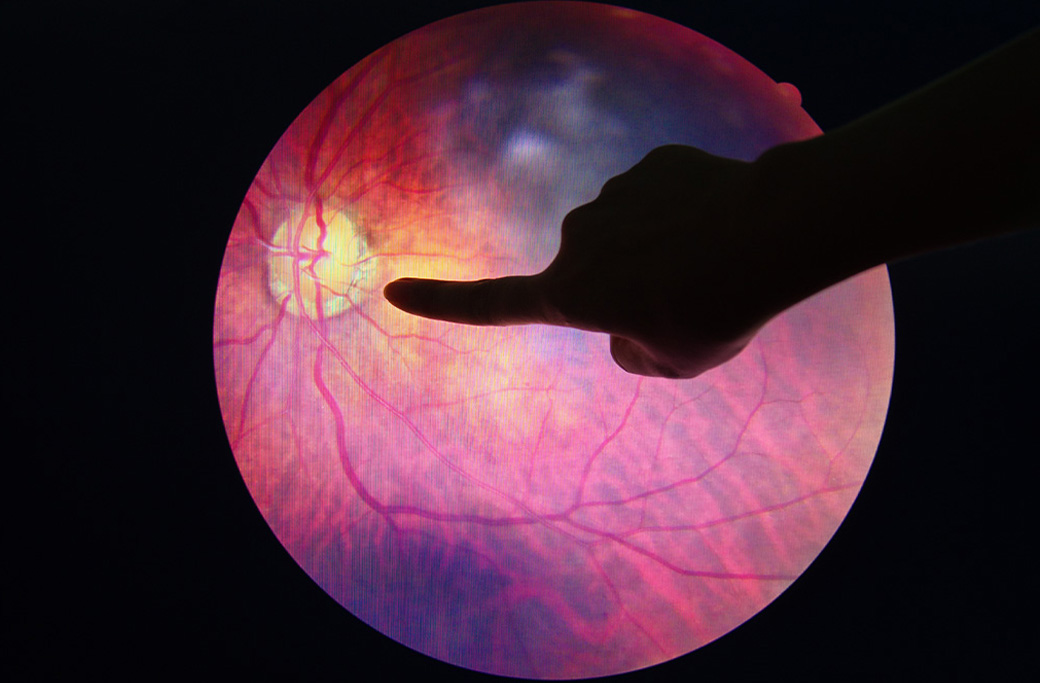
In the earliest stages of diabetic retinopathy, some retinal changes may improve when blood sugar, blood pressure, and cholesterol are carefully managed.
This stage—called nonproliferative diabetic retinopathy (NPDR)—may involve small blood vessel damage without severe vision changes.
For some patients, improved diabetes management may reduce retinal swelling or slow disease progression.
However, even in early stages, regular retinal monitoring remains important, because diabetic eye disease can continue to progress silently.
Many patients experience no symptoms at all in the beginning, making routine eye care essential.
If you are noticing blurry vision, floaters, or changes in sight, learn more about the symptoms of diabetic retinopathy and when to seek care.
Can Advanced Diabetic Retinopathy Be Reversed?

In more advanced stages, diabetic retinopathy is generally not fully reversible, but treatment can often help preserve remaining vision and reduce complications.
Without treatment, advanced diabetic retinopathy may increase the risk of:
-
- Significant vision loss
- Bleeding inside the eye
- Retinal scarring
- Retinal detachment
- Blindness
If abnormal blood vessels develop or swelling affects central vision, timely intervention becomes especially important.
This is why many specialists focus on controlling progression rather than reversing damage completely.
What Treatments Help Manage Diabetic Retinopathy?
Modern diabetic eye damage treatment options can help slow retinal damage and preserve vision.
Depending on severity, treatment may include:
Anti-VEGF Eye Injections
Retina specialists often use injections to reduce swelling and block abnormal blood vessel growth inside the eye.
Laser Treatment
Laser therapy may help seal leaking blood vessels or reduce complications in more advanced disease.
Vitrectomy Surgery
In severe cases involving bleeding or scar tissue, surgery may help restore or stabilize vision.
Ongoing Monitoring
Many patients benefit from regular retinal imaging and exams to track progression and adjust treatment as needed.
Learn more about diabetic retinopathy treatment options and how specialists manage retinal disease.
Why Early Detection Matters
One of the biggest challenges with diabetic retinopathy is that it often develops without symptoms in its early stages.
By the time vision changes occur, retinal damage may already be more advanced.
Routine retinal monitoring allows specialists to detect microscopic changes before they threaten eyesight.
Most diabetic patients should have regular retinal exams, even if vision appears normal.
Learn more about how often diabetics should get retinal exams and why consistent monitoring matters.
When Should You See a Retina Specialist?
If you have diabetes and experience blurry vision, floaters, fluctuating vision, or difficulty seeing clearly, it may be time to see a retina specialist.
Even without symptoms, patients with diabetes benefit from proactive retinal care to monitor for early disease.
At MERSI, our retina specialists diagnose and treat diabetic eye disease using advanced imaging technology and personalized treatment plans designed to help preserve long-term vision.
If you are looking for a retina specialist for diabetes or a diabetic eye doctor near Boston, our team can help evaluate your retinal health and recommend the best next steps.
Learn more about finding a diabetic retinopathy specialist near Boston.
Can Diabetic Retinopathy Be Reversed?
While diabetic retinopathy is not always fully reversible, early diagnosis and treatment can often slow progression, preserve vision, and reduce the risk of severe complications. Regular retinal exams and specialized care remain some of the most important ways to protect long-term eye health.
Frequently Asked Questions
Can diabetic retinopathy heal on its own?
No. Diabetic retinopathy generally requires monitoring and sometimes treatment to prevent progression.
Is diabetic retinopathy reversible with better blood sugar control?
Improved diabetes management may help slow early disease progression, but retinal damage is not always reversible.
Can diabetic retinopathy cause blindness?
Yes. If left untreated, diabetic retinopathy may lead to severe vision loss or blindness.
What doctor treats diabetic retinopathy?
A retina specialist typically diagnoses and treats diabetic retinopathy.