
When to Get Evaluated for Cataracts: Signs & Symptoms
Quick Answer: You should get evaluated for cataracts when vision changes (such as blurry vision, glare, halos around lights, difficulty driving at night, faded colors, or frequent prescription changes) begin affecting your daily life. Cataracts typically develop gradually with age, and an eye specialist can determine whether cataracts are the cause of your symptoms and if treatment or surgery may help restore clearer vision.
Vision loss from cataracts rarely happens overnight. Instead, many people notice small changes over time—a little more blur when reading, increased sensitivity to headlights, or trouble seeing clearly after dark. Since cataracts progress gradually, it can be difficult to know when to get evaluated for cataracts and whether symptoms are simply part of aging or something more serious.
Cataracts are one of the most common age-related eye conditions and a leading cause of vision changes in older adults. The good news is that cataracts are highly treatable, and modern cataract surgery is considered one of the safest and most effective procedures performed today. However, recognizing the signs early and getting the right evaluation can help protect your quality of life and rule out other eye conditions that may affect vision.
At Massachusetts Eye Research and Surgery Institution (MERSI) near Boston, MA, our fellowship-trained ophthalmologists use advanced diagnostic technology to determine whether cataracts, retinal disease, or another condition may be affecting your sight. In this guide, we’ll explain common cataract symptoms, when it may be time to seek an evaluation, and what to expect during the process.
What Are Cataracts?
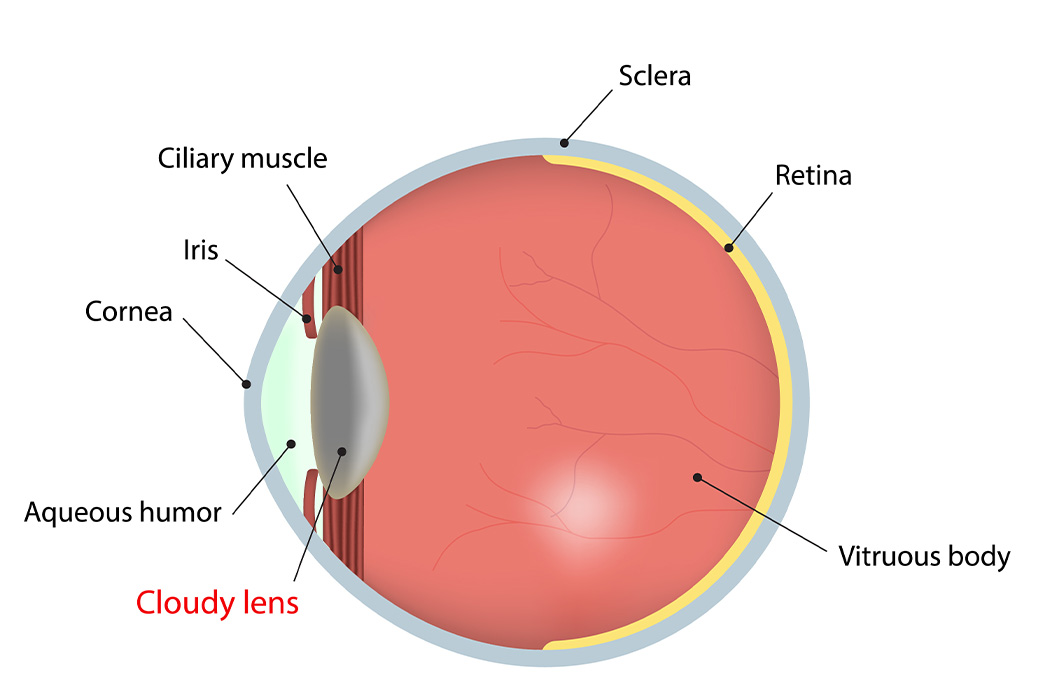
The lens inside your eye works much like the lens of a camera. It focuses light onto the retina to produce a sharp, clear image. The lens is made up of proteins arranged in a precise structure that allows light to pass through cleanly. With age, those proteins gradually change in shape, color, and clarity. Any reduction in lens clarity is, by definition, a cataract.
Cataracts don’t form overnight. They develop slowly over years, often decades, which is why most people don’t notice them at first. The change is so gradual that your brain compensates, adjusting to your dimming visual world without raising any obvious alarms.
Several factors can accelerate cataract development beyond normal aging, including diabetes, uveitis (ocular inflammatory disease), eye trauma, prolonged use of steroid medications, and certain systemic diseases. In rare cases, cataracts are present from birth. Regardless of the type, the approach to treatment is largely the same, and the question is always how much the cataract is affecting the patient’s vision and quality of life.
What Are the Common Vision Changes Caused by Cataracts?

Cataract symptoms tend to build slowly, but there are specific patterns that distinguish them from other forms of vision loss.
Blurry or Hazy Vision
The most universal cataract symptom is blurry vision that glasses can’t fully fix. Early on, a new prescription might help. Over time, even updated lenses stop compensating for the cloudiness in the lens itself.
Glare and Halos Around Lights
Many people with cataracts notice starbursts, halos, or intense glare around headlights, streetlights, and lamps, especially at night. This occurs because the cloudy lens scatters incoming light, rather than focusing it cleanly.
Difficulty Driving at Night
Night driving difficulty is one of the earliest functional complaints. Oncoming headlights become blinding, lane markings harder to read, and depth perception less reliable. This is often the symptom that prompts people to finally seek an evaluation.
Colors Appearing Faded or Yellowed
Cataracts can cause a brownish or yellowish tint to develop over your vision, making colors appear washed out or dull. Some patients describe it as looking through a dirty or discolored piece of glass.
Frequent Changes in Eyeglass Prescription
Needing new glasses every few months is a subtle but telling sign. When the lens inside the eye is changing, so is its refractive power—and no external prescription can keep up with that indefinitely.
What Are the Early Signs That It May Be Time for a Cataract Evaluation?

A cataract diagnosis doesn’t automatically mean surgery. However, a formal evaluation becomes important when symptoms start interfering with the things you need or want to do.
Trouble Reading or Doing Close Work
If you find yourself holding books farther away, increasing the font size on your phone, or needing much brighter lighting to read comfortably, your lens clarity may be compromised beyond what glasses can correct.
Difficulty Driving—Day or Night
Struggling to read road signs at a comfortable distance, feeling unsafe on highways, or avoiding driving altogether after dark are all signs that your vision has declined to a level that warrants professional assessment.
Increased Lighting Needs
Needing significantly more light to perform everyday tasks (cooking, reading, using a computer) is a common but often overlooked cataract symptom. If your home lighting that used to feel sufficient now feels dim, your visual system is working harder than it should.
Daily Life Is Simply Harder
The clearest signal of all: when you’ve stopped doing things you used to enjoy because your vision gets in the way. That might be painting, watching sports, playing cards, or recognizing faces across a room. At that point, an evaluation isn’t optional—it’s overdue.
Cataracts or Something More Serious? How to Tell the Difference
Not all blurry vision comes from cataracts. Several other conditions produce overlapping symptoms, and getting an accurate diagnosis requires more than a standard vision test.
Why Not All Blurry Vision Is a Cataract
Conditions such as glaucoma, diabetic retinopathy, and macular degeneration can all cause gradual or sudden vision changes that mimic cataract symptoms. Distinguishing between them requires a thorough eye exam, including a dilated retinal evaluation.
Retinal Disease Overlap
Retinal diseases—including macular degeneration, retinal detachment, and macular holes—can cause blurry, distorted, or darkened central vision that may initially seem like a cataract. Since MERSI’s specialists are also fellowship-trained in retinal disease, our evaluations assess both the lens and the retina to ensure nothing is missed. [Learn more about retinal disease diagnosis and treatment at MERSI →]
Diabetes and Eye Health
Patients with diabetes face a compounded risk. Diabetes can accelerate cataract formation and cause diabetic retinopathy—damage to the blood vessels in the retina. Both conditions can be present simultaneously, which is why diabetic patients should prioritize regular, comprehensive eye evaluations, rather than waiting for symptoms to become severe.
When Does Cataract Surgery Become Worth Considering?
The presence of a cataract alone is not an automatic reason for surgery. Some patients with early-stage cataracts see well and are satisfied with their vision. Surgery is appropriate when the cataract is causing vision changes that affect activities in daily life and when those changes cannot be adequately addressed by glasses or other conservative measures.
The questions to ask yourself are practical ones:
-
- Has driving become unsafe or anxiety-inducing?
- Do you frequently miss words while reading?
- Have you given up activities you used to enjoy?
- Are you relying on others for tasks you once handled independently?
If the answer to any of these is yes, your quality of life is telling you what the clinical data will likely confirm. Cataract surgery is the safest and most commonly performed surgery in the United States, with a 96% rate of excellent outcomes. Waiting until a cataract is “ripe” or severely advanced is no longer medically necessary and in some cases, delaying surgery can make the procedure more complex.
What Happens During a Cataract Evaluation at MERSI?
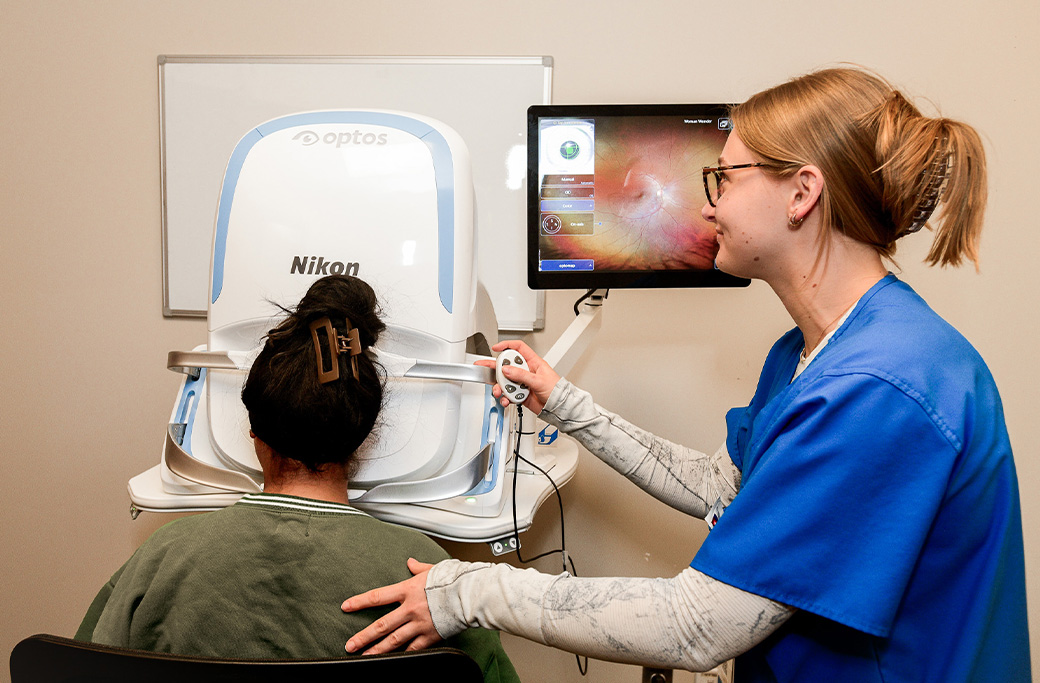
A cataract evaluation at MERSI is comprehensive, designed to assess not just whether a cataract is present, but how it’s affecting your vision and what the best treatment approach would be for your specific eye anatomy and lifestyle.
Diagnostic Testing
The evaluation includes a full visual acuity assessment, refraction testing, and measurement of intraocular pressure. Bright-light vision challenges may also be used to reveal how much the cataract is reducing functional sight. Sometimes a cataract looks mild in one test, but causes significant impairment under real-world conditions.
Retinal Examination
Since MERSI is a subspecialty institution with deep expertise in both cataract and retinal disease, every evaluation includes a dilated examination of the retina. This step is essential for identifying co-existing conditions (such as macular degeneration or diabetic retinopathy) that could affect your surgical candidacy or visual outcomes.
Lens Options Discussion
If surgery is recommended, you’ll discuss intraocular lens (IOL) options to meet your lifestyle. Standard monofocal lenses restore clear distance vision, while premium lenses, including multifocal and toric options, can reduce or eliminate dependence on glasses for both near and far vision. Not every patient is a candidate for premium lenses, and your MERSI surgeon will be straightforward about which options are realistic for you.
What Advanced Cataract Surgery Options Does MERSI Offer?
Femtosecond Laser Cataract Surgery
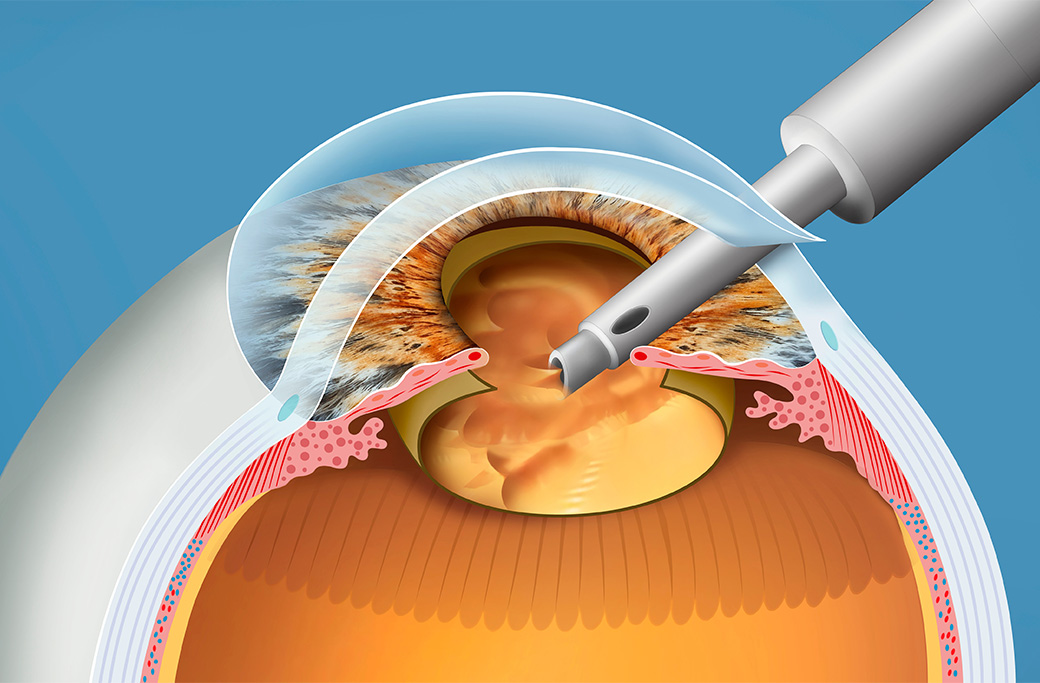
MERSI uses the CATALYS Precision Laser System to perform laser-assisted cataract surgery—a significant step beyond traditional manual techniques. The femtosecond laser emits ultra-short pulses of near-infrared light to create precise corneal incisions, open the lens capsule with computer-guided accuracy, and soften the cataract nucleus before removal. Since the laser pre-softens the lens, surgeons use less ultrasound energy during extraction—reducing trauma to the eye and supporting faster visual recovery.
Traditional cataract surgery uses a handheld blade and relies on the surgeon’s manual technique for incision placement. Femtosecond laser surgery replaces those handheld variables with 3D imaging and computer-guided precision, creating a level of customization that manual methods cannot replicate. [
Multifocal and Premium IOLs
For patients who want to reduce their dependence on glasses after surgery, MERSI offers a range of premium intraocular lenses, including multifocal IOLs designed to provide clear vision at multiple distances. These lenses require precise placement to function correctly, which is where femtosecond laser technology proves particularly valuable. Approximately 85% of patients who select a premium lens report being extremely satisfied with the outcome.
Schedule Your Cataract Evaluation at MERSI
Blurry vision isn’t something you have to live with. If cataract symptoms are affecting your ability to drive, read, work, or simply see the world around you clearly, a formal evaluation is the right next step.
At MERSI, our fellowship-trained ophthalmologists combine subspecialty expertise in cataract, retinal disease, and ocular health to give you a complete picture of your vision and your options. From diagnostic testing to advanced surgical techniques, every aspect of your care is personalized to your eye anatomy and your goals.
Call MERSI at (781) 891-6377 or request an appointment online to schedule your cataract evaluation today.
Frequently Asked Questions About Cataracts and Cataract Evaluation
At what point should cataracts be removed?
Cataracts should be considered for removal when they cause vision changes that interfere with daily activities (such as driving, reading, or working) and when glasses or other conservative treatments no longer provide adequate correction. Surgery is not required simply because a cataract is present; the decision is based on functional impact and patient quality of life.
How fast do cataracts progress?
Cataract progression varies from person to person. For most people, cataracts develop slowly over many years. Factors such as diabetes, prolonged steroid use, UV light exposure, and certain systemic diseases can accelerate the process. Some cataracts remain stable for years, while others progress more rapidly.
Can cataracts cause sudden blurry vision?
Cataracts typically cause gradual vision changes rather than sudden ones. Sudden vision loss or sudden blurry vision should be evaluated urgently, as it may indicate a different condition, such as retinal detachment, a vascular occlusion, or another serious eye emergency.
Are cataracts painful?
Cataracts themselves are generally not painful. Most patients experience visual symptoms (blur, glare, faded colors) without any discomfort in the eye. If you are experiencing eye pain along with vision changes, this may indicate a separate condition and warrants prompt evaluation.
Can you have cataracts and another eye disease at the same time?
Yes. Cataracts frequently coexist with other eye conditions, including glaucoma, macular degeneration, diabetic retinopathy, and uveitis. This is why a comprehensive evaluation, one that examines both the lens and the retina, is essential. At MERSI, all cataract evaluations include a dilated retinal exam to identify any co-existing conditions that could affect treatment planning and visual outcomes.