
Quick Answer: A retina specialist is the doctor who typically treats diabetic retinopathy. Retina specialists are ophthalmologists with advanced training in diagnosing and treating diseases that affect the retina, including diabetes-related eye conditions.
What This Means

If you have been diagnosed with diabetic retinopathy (or have diabetes and are worried about your vision) you may be wondering: What doctor treats diabetic retinopathy?
While routine diabetic eye exams may begin with an eye doctor or ophthalmologist, patients with retinal damage are often referred to a retina specialist for diabetes-related eye disease.
A retina specialist focuses specifically on conditions affecting the retina, the light-sensitive tissue at the back of the eye responsible for clear vision. Since diabetic retinopathy can progress silently and threaten eyesight, specialized retinal care is often essential for early diagnosis and treatment.
If you are wondering whether diabetes can damage your retina, specialized retinal monitoring may help detect problems before symptoms become severe.
What Is a Retina Specialist?

A retina specialist is a medical doctor who completes advanced fellowship training after becoming an ophthalmologist.
These specialists focus on diagnosing and treating diseases involving the retina (of which macula is the central portion) and the vitreous.
Since diabetic retinopathy affects retinal blood vessels, patients often benefit from seeing a retina specialist rather than relying only on general eye care.
Retina specialists use advanced diagnostic tools to detect early retinal damage, even before symptoms appear.
When Should You See a Retina Specialist for Diabetes?

Many people with diabetes do not realize retinal damage may occur without obvious symptoms.
You should consider seeing a retina specialist if you:
-
- Have been diagnosed with diabetic retinopathy
- Experience blurry or fluctuating vision
- Notice floaters or dark spots
- Have trouble seeing at night
- Have diabetes and have not had a recent retinal exam
- Have worsening diabetic eye symptoms
Learn more about the symptoms of diabetic retinopathy and when vision changes should be evaluated.
What Happens During an Appointment?
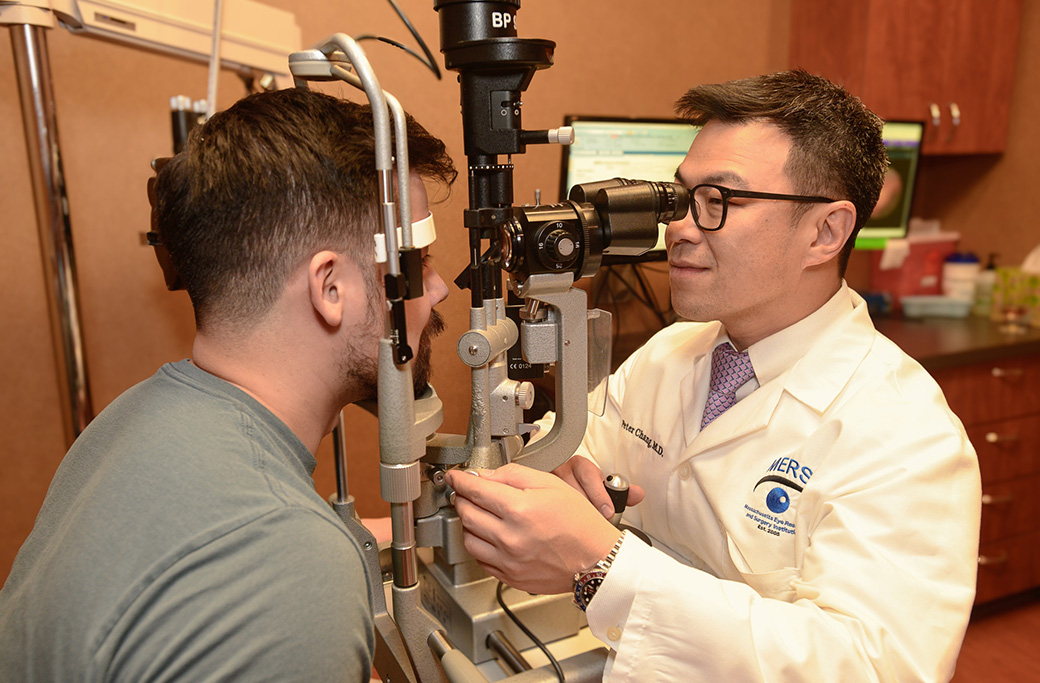
A retina specialist will evaluate the health of your retina and look for signs of diabetic eye disease.
A visit may include:
Dilated Eye Exam
Advanced imaging allows specialists to detect bleeding, swelling, and blood vessel changes.
Retinal Imaging
Advanced imaging allows specialists to detect bleeding, swelling, or blood vessel changes.
Optical Coherence Tomography (OCT)
OCT imaging creates detailed retinal scans and can help detect diabetic macular edema (swelling in the central portion of the retina).
Personalized Treatment Planning
If retinal damage is present, your specialist may recommend monitoring, injections, laser treatment, or surgery depending on severity.
Why Early Care Matters
One of the most dangerous aspects of diabetic retinopathy is that it often develops without symptoms in the early stages. By the time vision changes become obvious, retinal damage may already be more advanced. This is why regular retinal monitoring is so important.
Most diabetic patients should have routine retinal exams, even if vision seems normal. Learn more about how often diabetics should get retinal exams and why consistent monitoring matters.
Choosing a Diabetic Eye Doctor Near Boston
If you are looking for a diabetic eye doctor near Boston, it is important to find a provider experienced in diagnosing and treating retinal disease.
At the Massachusetts Eye Research and Surgery Institution (MERSI), our retina specialists focus on diabetic eye disease using advanced imaging technology and evidence-based treatment options.
We help patients throughout Waltham and Greater Boston by providing:
-
- Comprehensive retinal evaluations
- Early diabetic retinopathy diagnosis
- Personalized treatment plans
- Ongoing retinal monitoring
- Advanced treatment for diabetic eye disease
Whether you are newly diagnosed or seeking specialized care, our team works to help preserve long-term vision.
When Should You Schedule an Appointment?
You should schedule an evaluation if:
-
- You have diabetes and are overdue for an eye exam
- You notice blurry vision or floaters
- You have been referred for diabetic retinopathy treatment
- You want a specialist to evaluate retinal health proactively
Early diagnosis remains one of the best ways to help prevent severe diabetic eye complications.
What Doctor Treats Diabetic Retinopathy?
A retina specialist is the doctor who typically treats diabetic retinopathy. Since diabetes can silently damage the retina, specialized care and regular monitoring are important for protecting long-term vision.
Frequently Asked Questions
Is an ophthalmologist the same as a retina specialist?
No. A retina specialist is an ophthalmologist who completes additional training focused on retinal diseases.
Can an optometrist treat diabetic retinopathy?
Optometrists may help detect early warning signs, but retinal disease treatment is generally managed by a retina specialist.
Do I need a retina specialist if my diabetes is controlled?
Yes. Even controlled diabetes can lead to retinal changes over time.
Can diabetic retinopathy be reversed?
Treatment may help slow progression and preserve vision, but early detection offers the best outcomes.