
Early Signs of Cataracts: Symptoms You Shouldn’t Ignore
Quick answer: The early signs of cataracts often include blurry or cloudy vision, increased glare from lights, difficulty driving at night, faded or yellowed colors, and frequent changes in your eyeglass prescription. Cataracts develop gradually, so symptoms may be subtle at first. Recognizing these early warning signs can help you take action before vision changes begin affecting your daily life.
Many people assume worsening vision is simply part of getting older. But when headlights seem overwhelming, reading takes more effort than it used to, or colors appear duller than you remember, cataracts may be developing. Since cataracts progress slowly, the earliest symptoms are easy to dismiss, until everyday tasks become frustrating.
If you’re wondering whether your symptoms are normal aging or a sign that it’s time to seek care, understanding when to get evaluated for cataracts can help you make an informed decision. Knowing what to watch for may help you recognize when it’s time to schedule a comprehensive eye evaluation at MERSI.
Blurry or Cloudy Vision

For most people, blurry or cloudy vision is the first noticeable sign of cataracts. It may show up as a hazy or foggy quality to your eyesight, as though you’re looking through a dirty window that can’t quite be cleaned.
Early on, you might struggle with fine print, notice that faces lack sharpness, or find it harder to see details at a distance. The underlying cause is straightforward: the eye’s natural lens, which is normally clear, begins to cloud over. This prevents light from focusing properly on the retina, producing that characteristic blur.
As the cataract progresses, reading becomes more difficult, watching TV requires sitting closer, and your glasses may stop feeling effective. If blurry vision keeps returning despite a current prescription, cataracts may be contributing. Learn more about When to Get Evaluated for Cataracts: Signs & Symptoms.
Increased Glare From Lights

Glare sensitivity is one of the most common, and most disruptive, early signs of cataracts. Bright headlights may feel blinding rather than simply bright. Halos can appear around streetlights, lamps, or oncoming traffic. Sunlight may seem more intense than it used to.
This happens because the clouded lens scatters incoming light rather than focusing it cleanly. Instead of a sharp image, your eye receives scattered light that creates glare, halos, and visual discomfort.
In daily life, this can mean squinting when you step outside, struggling in brightly lit stores or restaurants, and feeling eye fatigue in environments that never bothered you before.
| Can cataracts cause glare? Yes. Cataracts commonly cause increased glare and halos around lights because the cloudy lens scatters light as it enters the eye.
Difficulty Driving at Night
Night driving is often one of the first and most significant activities affected by cataracts. Reduced contrast sensitivity, intense headlight glare, and trouble judging distances can all make driving after dark feel unreliable.
Signs worth paying attention to include avoiding nighttime driving whenever possible, feeling anxious or unsafe on the road after dark, and needing more light than before to navigate familiar routes. These changes are not just inconvenient. They directly affect independence and quality of life.
If nighttime driving has become something you dread or avoid, that pattern alone is worth discussing with an eye care specialist.
Colors Looking Yellow or Dull
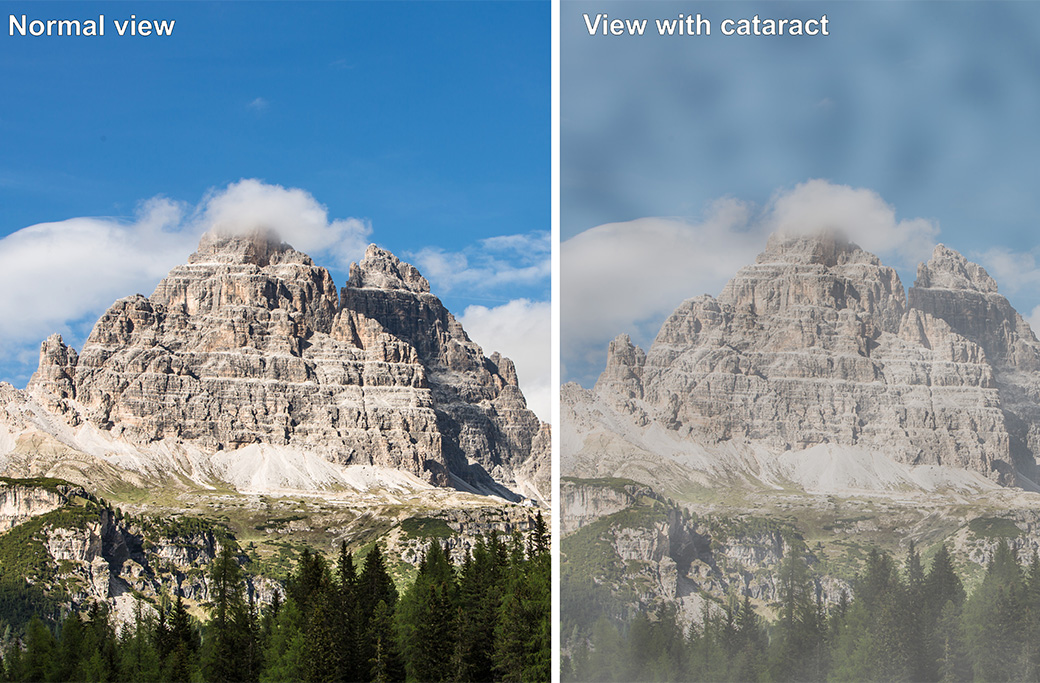
Cataracts don’t only affect sharpness. They also change how you perceive color. As the lens gradually yellows with age and cataract development, the colors around you can shift and fade. Whites may take on a yellowish tint. Blues can become difficult to distinguish. Colors that used to feel vibrant may now look muted.
These changes often go unnoticed for a long time because they happen so gradually. You might notice that clothing looks less vivid, that it’s harder to match colors accurately, or that photographs don’t appear as bright as you expect. People who do detailed work (painting, sewing, or crafting) tend to notice these shifts earlier than others.
Frequent Prescription Changes
It’s common for people in the early stages of cataracts to assume they simply need stronger glasses. Sometimes, an updated prescription does help, but only temporarily. If your prescription keeps changing without delivering lasting improvement, cataracts may be contributing to the cycle.
One phenomenon worth knowing: in some early-stage cataracts, near vision can temporarily improve due to changes in the density of the lens. This is sometimes called “second sight.” It feels like good news, but it’s actually a sign that the lens is changing. Over time, that temporary improvement tends to reverse.
If you find yourself returning to your optometrist repeatedly for adjustments that don’t stick, it’s worth asking whether cataracts could be involved.
Other Early Symptoms to Watch For
Beyond the most common signs, a few additional symptoms can appear in the early stages of cataract development:
-
- Double vision in one eye (monocular diplopia): Seeing a double image with one eye closed is a known early cataract symptom.
- Needing more light to read: Tasks that were once comfortable in normal lighting now require a brighter lamp or direct light.
- Reduced contrast sensitivity: Distinguishing objects from their backgrounds, like steps on a staircase, becomes harder.
- Overall dimness: Vision may seem less bright, as though the lights have been slightly turned down.
These symptoms don’t always appear together, and they don’t all need to be present for cataracts to be developing.
When Symptoms Mean It’s Time for an Evaluation
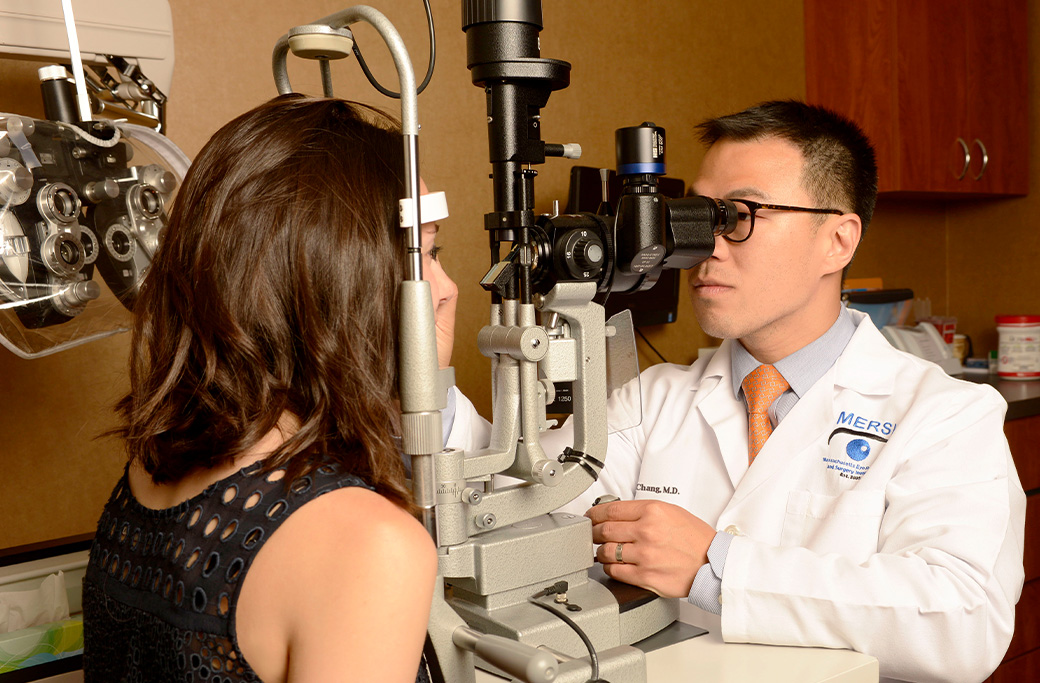
Consider scheduling a cataract evaluation at MERSI if:
-
- Vision changes are interfering with daily activities like reading, cooking, or watching TV
- Driving at night feels unsafe or is something you’re actively avoiding
- Glare or halos around lights are worsening
- Your glasses prescription keeps changing without lasting improvement
- Colors seem noticeably duller or yellowed
- You’re unsure whether your symptoms are caused by cataracts or another eye condition
That last point matters: not all blurry vision is caused by cataracts. Conditions affecting the retina, including macular degeneration and diabetic eye disease, can sometimes produce similar symptoms. A comprehensive eye evaluation is the best way to determine what may be affecting your vision and whether it’s time to seek treatment. If you’re unsure whether your symptoms warrant an appointment, learn more about when to get evaluated for cataracts. If cataracts are diagnosed, you can also explore advanced treatment options like Femtosecond Laser Cataract Surgery: Benefits & Recovery.
Schedule a Cataract Evaluation at MERSI
Recognizing the early signs of cataracts can help you seek care before vision changes interfere with daily life. If blurry vision, increased glare, trouble driving at night, or fading colors are affecting your daily life, it may be time for a cataract evaluation. Since symptoms can overlap with retinal disease and other eye conditions, a comprehensive eye exam is the best way to determine the cause of your vision changes and discuss the right treatment options.
A comprehensive eye evaluation at MERSI can determine whether cataracts or another eye condition is contributing to your symptoms and help you understand what comes next. Don’t wait until daily tasks become a struggle. Schedule your evaluation today.
Frequently Asked Questions
What is usually the first symptom of cataracts?
For most people, blurry or cloudy vision is the earliest sign. Increased glare from lights and difficulty seeing at night are also common early symptoms that often appear around the same time.
Do cataracts come on suddenly?
No. Cataracts develop gradually, usually worsening slowly over months or years. Since the changes are incremental, many people don’t recognize the early signs until vision is significantly affected.
Can cataracts make lights look blurry?
Yes. Cataracts can cause glare, halos, and blurry-looking lights because the clouded lens scatters light as it enters the eye, rather than focusing it sharply on the retina.
Are cataracts painful?
No. Cataracts do not typically cause pain, redness, or eye irritation. Vision changes are the primary indicator.
Can stronger glasses fix cataracts?
An updated prescription may offer temporary relief in the early stages. However, as cataracts continue to progress, glasses become less effective, and at that point, surgery is typically the most effective solution.