
Yes. Cataracts can significantly affect night driving by reducing contrast, increasing glare from headlights, and causing halos or starbursts around lights. These changes occur because the cloudy lens scatters light entering the eye, making it harder to see clearly in low-light conditions.
Why Headlights Look Worse With Cataracts
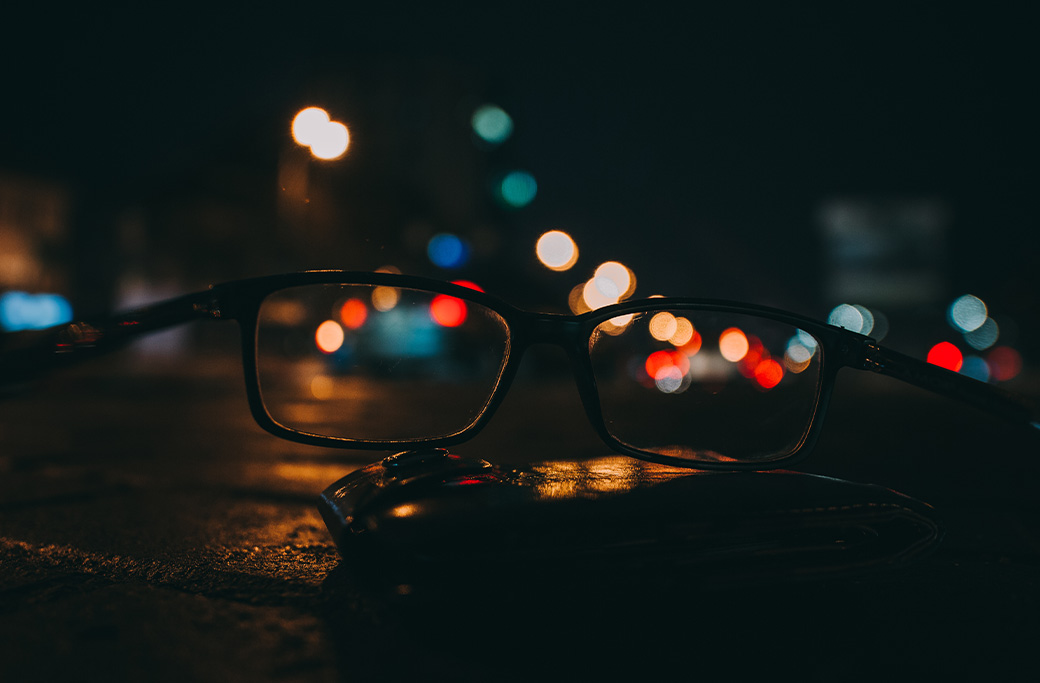
Cataracts scatter and distort incoming light, which can make headlights appear overly bright, blurry, or surrounded by glare. This effect is often most noticeable when driving at night or in low-light environments.
Are Halos Around Lights a Sign of Cataracts?
Yes. Halos or rings around lights are a common symptom of cataracts and are often caused by light scattering through the cloudy lens of the eye.
Is Night Driving Dangerous With Cataracts?
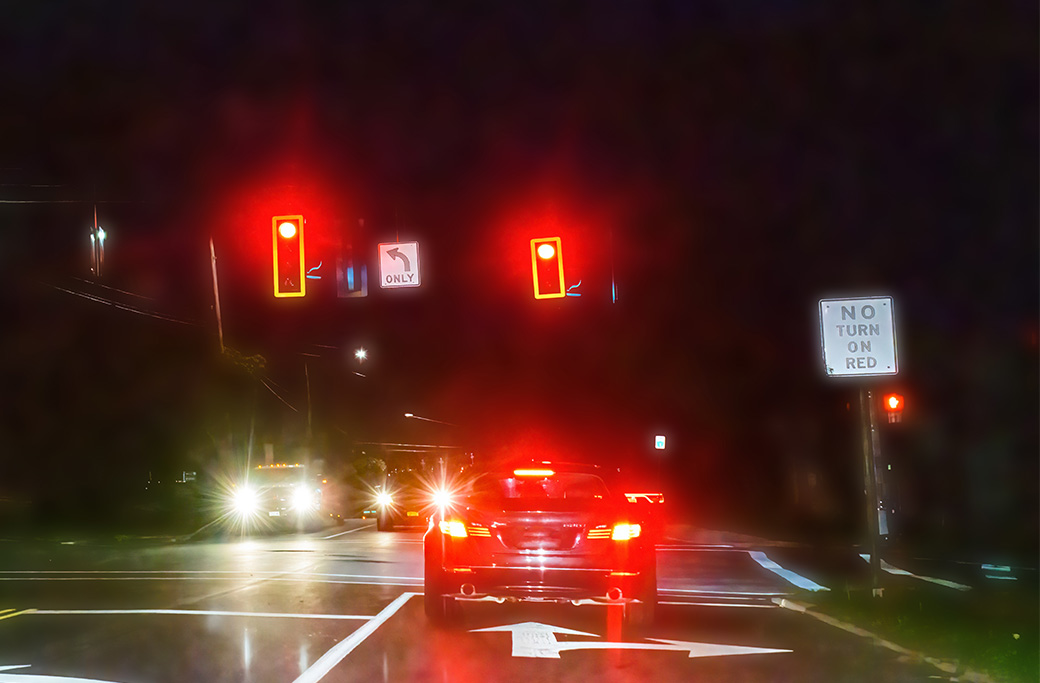
Cataracts can make night driving more difficult and potentially less safe due to reduced contrast sensitivity, increased glare, and slower visual reaction time in low-light conditions.
Do Cataracts Affect Depth Perception at Night?
Yes. Cataracts can reduce visual clarity and contrast, which may affect depth perception and make it harder to judge distances accurately while driving at night.
Can Glasses Fix Night Vision Problems Caused by Cataracts?
Glasses may temporarily improve clarity in early stages, but they cannot correct the underlying clouding of the lens caused by cataracts.
What to Look for in a Cataract Specialist
A cataract specialist evaluates whether symptoms like night vision problems are caused by cataracts or other eye conditions affecting the retina. Learn more in Cataracts and Vision Changes: When Is It Time to Seek Evaluation?
Why Patients Near Boston Choose MERSI
Patients in the Boston, MA area choose MERSI for advanced diagnostic testing and comprehensive eye evaluations that assess both cataract and retinal health before recommending treatment.
When to Seek Care
If night driving becomes difficult due to glare, halos, or reduced visibility, a cataract evaluation can help determine whether cataracts are the cause.
Schedule a Cataract Evaluation at MERSI
Night driving should not feel stressful or unsafe. If glare, halos, or reduced visibility are affecting your confidence behind the wheel, a comprehensive eye evaluation can help determine whether cataracts are the cause.
At MERSI, fellowship-trained ophthalmologists use advanced diagnostic testing to evaluate both cataract and retinal health, ensuring an accurate diagnosis and personalized treatment recommendations.
Schedule your cataract evaluation today and take the first step toward clearer, more comfortable vision—day and night.
Frequently Asked Questions
Why do headlights look worse with cataracts?
Cataracts scatter light entering the eye, making headlights appear brighter, blurrier, or surrounded by glare.
Are halos around lights a sign of cataracts?
Yes, halos are a common symptom caused by light scattering through the cloudy lens.
Is night driving dangerous with cataracts?
It can be more challenging and less safe due to glare, reduced contrast, and slower visual processing.
Do cataracts affect depth perception at night?
Yes, reduced clarity and contrast can impact depth perception in low-light conditions.
Can glasses fix night vision problems caused by cataracts?
Glasses may help early on, but they cannot correct cataract-related lens clouding.