
When a patient has a complex eye condition, an uncertain diagnosis, or a clinical situation that may benefit from additional subspecialty input, a consultation with another ophthalmologist can be an important part of care planning.
The Massachusetts Eye Research and Surgery Institution (MERSI) in Waltham, Massachusetts, provides specialized ophthalmic care for patients with a range of eye conditions.
This guide is intended for ophthalmologists, optometrists, and other healthcare professionals considering a specialty consultation for a patient, including clinicians practicing in Connecticut, Rhode Island, and elsewhere in New England.
When Might an Additional Ophthalmology Consultation Be Appropriate?
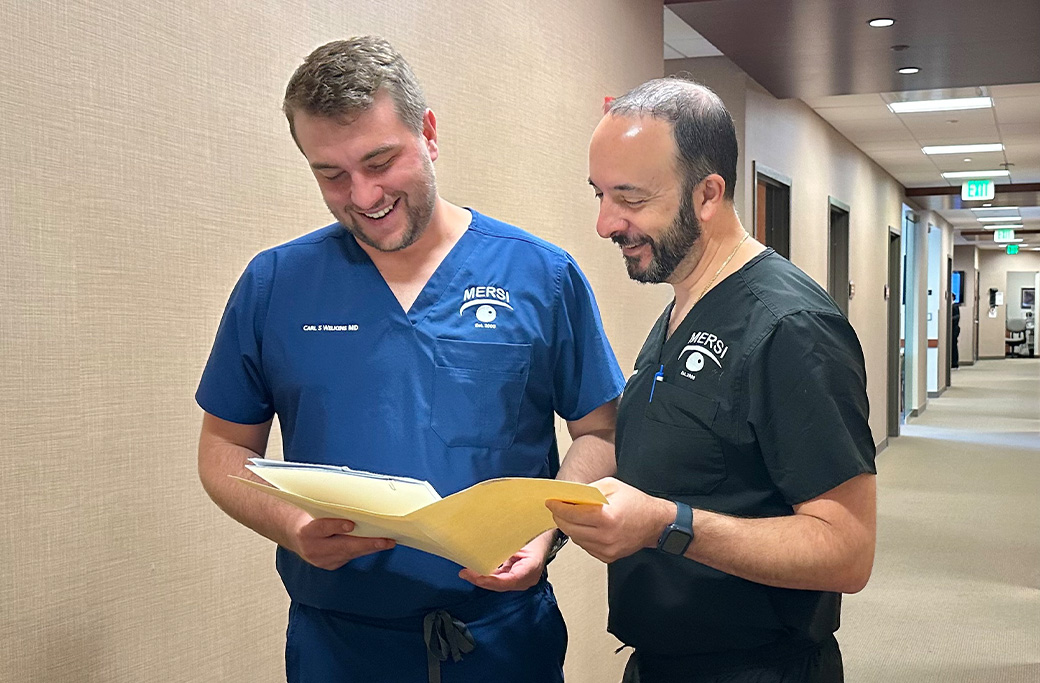
An additional ophthalmology consultation may be appropriate when a patient’s condition raises diagnostic questions, requires expertise in a particular subspecialty, or has not responded as expected to treatment.
Depending on the clinical circumstances, reasons to consider consultation may include:
-
-
Persistent or recurrent ocular inflammation
-
Uncertain or challenging retinal findings
-
Complex corneal disease or questions about surgical management
-
Glaucoma requiring additional assessment of management options
-
Multiple eye conditions that complicate treatment decisions
-
A need for another opinion regarding a diagnosis or proposed procedure
-
The decision to refer depends on the patient’s findings, history, clinical needs, and the referring professional’s judgment.
Not every complicated eye condition requires referral, and an additional consultation does not necessarily mean that surgery or a change in treatment will be recommended.
Understanding MERSI’s Ophthalmology Specialties
MERSI’s specialty areas include ocular inflammatory diseases, retina care, corneal conditions, glaucoma, and cataract care.
Uveitis and Ocular Inflammatory Diseases
Uveitis and other inflammatory eye conditions can present diagnostic and management challenges, particularly when inflammation recurs, persists, or occurs alongside systemic disease.
A subspecialty consultation may help address questions about diagnosis, evaluation, and potential treatment approaches.
Retina and Macular Conditions
Retinal conditions may affect central or peripheral vision and can require specialized imaging, monitoring, or treatment decisions.
Depending on the patient’s condition, an additional retinal consultation may be considered for complex macular disorders, retinal disease, or questions about ongoing management.
Corneal Conditions and Surgery
Corneal disease can affect vision, comfort, and the health of the ocular surface. Additional consultation may be useful when a diagnosis is uncertain, symptoms persist, or surgical options are being considered.
Glaucoma
Glaucoma management involves evaluating optic nerve health, visual function, intraocular pressure, and individual risk factors.
An additional consultation may help clarify diagnostic findings or explore management options when a patient’s glaucoma presents particular challenges.
Cataract Care
Patients with cataracts and coexisting ocular conditions may benefit from additional assessment when planning care or considering surgical options.
For referring professionals: The appropriate specialist and scope of consultation should be determined based on the patient’s specific clinical needs.
How to Request a Specialty Consultation at MERSI
Eye-care professionals considering a referral should begin by contacting MERSI to discuss the appropriate appointment process and the patient’s clinical needs.
Before arranging an evaluation, confirm:
-
-
Whether the relevant specialty is available for the patient’s condition.
-
How a referring clinician should initiate the consultation request.
-
Whether records or imaging should be reviewed before scheduling.
-
What appointment, insurance, or authorization requirements may apply.
-
How clinical information should be transferred securely.
-
Operational verification required: MERSI must confirm its current professional referral workflow, approved contact methods, and whether a dedicated physician-referral process exists.
Do not send protected patient information through an unverified email address or general website contact form.
What Clinical Information May Be Helpful for a Referral?
Providing relevant clinical history can help the receiving specialist understand the consultation question.
Depending on the patient’s condition, useful information may include:
-
-
Reason for consultation: The clinical question or concern prompting referral
-
Examination findings: Relevant visual acuity, intraocular pressure, and other findings
-
Diagnostic imaging: Available OCT, fundus photography, visual fields, or other relevant testing
-
Medical and ocular history: Previous diagnoses, associated medical conditions, and pertinent laboratory findings
-
Treatment history: Current and previous medications, procedures, and response to treatment
-
Prior surgical records: Operative reports or other documentation when relevant
-
The documentation needed will vary by condition and consultation type.
Referring professionals should confirm MERSI’s specific requirements and approved secure transfer process before sending patient records.
Coordinating Care With the Referring Eye-Care Professional
A specialty consultation may provide additional clinical information that helps guide decisions about a patient’s care.
The referring professional may remain involved in ongoing care, depending on the patient’s needs, treatment plan, and arrangements among the clinicians.
Before the consultation, referring professionals may wish to clarify:
-
-
The specific question they would like the consulting specialist to address
-
Whether the consultation is intended for diagnostic assessment, treatment planning, or consideration of a procedure
-
How findings and recommendations will be communicated
-
Whether additional appointments or treatment may be necessary
-
Operational verification required: MERSI must confirm its procedures for communicating consultation findings and coordinating follow-up before specific promises are published.
Referring Patients From Connecticut and Rhode Island
MERSI’s office is located in Waltham, Massachusetts. Eye-care professionals elsewhere in New England may consider MERSI when evaluating options for an additional ophthalmology consultation.
For Referring Professionals in Hartford and Connecticut
For ophthalmologists and optometrists in Hartford or elsewhere in Connecticut, planning an out-of-state specialty consultation may involve coordinating records, appointment requirements, insurance information, and patient transportation.
It can be helpful to clarify the clinical purpose of the consultation before the patient makes travel arrangements.
Patients should also ask whether testing, dilation, or treatment during their appointment could affect their ability to drive afterward.
For Referring Professionals in Providence and Rhode Island
Clinicians in Providence and throughout Rhode Island may similarly consider the practical requirements of a consultation in Waltham.
Before a patient travels, confirm the scheduling process, documentation requirements, insurance considerations, and whether follow-up appointments may be needed.
MERSI does not have a verified office location in Connecticut or Rhode Island. Patients should understand that the consultation discussed here would take place at the Waltham office.
For additional patient-planning information, refer to MERSI’s published guide, Traveling to MERSI for Specialized Eye Care: Records, Referrals and Planning Your Visit.
Request a Specialty Consultation at MERSI
If you are an ophthalmologist, optometrist, or other healthcare professional considering additional specialty input for a patient, contact Massachusetts Eye Research and Surgery Institution to discuss the appropriate next steps.
MERSI is located in Waltham, Massachusetts, and provides specialized ophthalmic services for patients with a range of eye conditions.
Contact MERSI to inquire about a specialty consultation.
Frequently Asked Questions for Referring Eye-Care Professionals
How can an ophthalmologist refer a patient to MERSI?
An ophthalmologist considering a specialty consultation should contact MERSI to confirm the appropriate referral and scheduling process. The referring clinician should be prepared to explain the patient’s condition and the clinical question requiring additional evaluation. MERSI should confirm the approved method for submitting records and whether any information is needed before an appointment can be arranged.
What conditions may warrant an additional subspecialty consultation?
An additional consultation may be considered for persistent ocular inflammation, complex retinal disease, challenging corneal conditions, glaucoma management questions, or other ophthalmic concerns requiring specific expertise. The decision depends on the patient’s examination findings, clinical history, and treatment needs. Referral does not automatically mean that surgery or another intervention will be necessary.
What clinical records should accompany a referral?
Relevant examination findings, diagnostic imaging, treatment history, current medications, and previous procedure records may be useful. The referring clinician should also identify the specific question prompting the consultation. Required documentation varies by condition, so the practice should confirm MERSI’s record requirements and approved secure transfer method before sending information.
Can MERSI coordinate with a patient’s existing ophthalmologist?
Coordination between consulting specialists and established eye-care professionals may be an important part of managing complex conditions. However, specific arrangements for communication, consultation reports, and follow-up responsibilities should be confirmed directly with MERSI. The patient’s clinical needs and agreed treatment plan will help determine how care is organized.
Can physicians in Connecticut and Rhode Island refer patients to MERSI?
Eye-care professionals in Connecticut and Rhode Island can contact MERSI to inquire about a specialty consultation for a patient. MERSI is located in Waltham, Massachusetts, rather than Hartford or Providence. Before arranging travel, the referring practice and patient should confirm appointment availability, specialty suitability, documentation requirements, and any applicable insurance considerations.
Does a patient need an insurance referral or prior authorization?
Requirements depend on the patient’s insurance coverage, the services being considered, and applicable plan rules. A clinical referral from a healthcare professional is not necessarily the same as an insurance referral or prior authorization. Patients and referring practices should verify relevant coverage requirements with the insurer and confirm MERSI’s scheduling and insurance procedures before the appointment.
Medically reviewed by:
Stephen D. Anesi, MD, FACS, Partner & Co-President
Specializes in: Ocular inflammatory diseases, cornea, glaucoma (medical, surgical & MIGS), cataract, and medical retina
Peter Y. Chang, MD, FACS, Partner & Co-President
Specializes in: Ocular inflammatory diseases, vitreoretinal surgery, and cataract
Carl S. Wilkins, MD
Specializes in: Ocular inflammatory diseases, vitreoretinal surgery, and cataract
Reviewed: