
When Is Cataract Surgery Necessary?
Cataract surgery is typically considered necessary when vision loss begins to interfere with daily life. This may include difficulty reading, driving at night, recognizing faces, or performing routine tasks even with updated glasses. The decision is based less on a specific “number” or stage and more on how much cataracts are affecting quality of life.
When Cataracts Reach a Treatment Threshold
There is no single point at which cataracts automatically require surgery. Instead, surgery is recommended when symptoms begin to limit independence, safety, or comfort in everyday activities. Some people may need surgery earlier if vision changes significantly impact work, driving, or mobility.
Can Cataract Surgery Be Delayed?
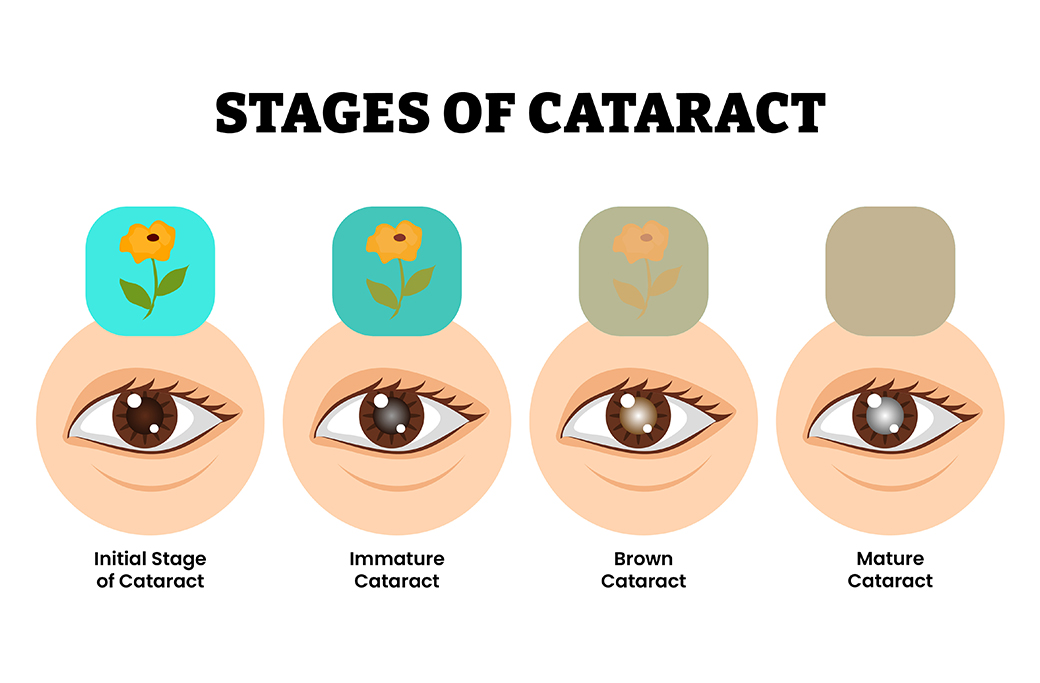
In many cases, cataract surgery can be safely delayed if vision changes are mild and not significantly affecting daily life. However, delaying evaluation too long may make it harder to determine how much vision loss is due to cataracts versus other eye conditions.
What Vision Level Qualifies for Cataract Surgery?
There is no universal vision score that qualifies a patient for cataract surgery. Instead, eligibility is based on functional vision—how well a person can perform daily activities and whether cataracts are the primary cause of vision impairment.
Does Cataract Surgery Improve Night Driving?
Many patients experience improved night driving after cataract surgery because removing the cloudy lens can reduce glare, halos, and light sensitivity that often worsen in low-light conditions.
What to Look for in a Cataract Specialist
A cataract specialist evaluates both the lens and retina to determine whether surgery is appropriate and whether other eye conditions may be contributing to vision changes. Learn more about evaluation timing in Cataracts and Vision Changes: When Is It Time to Seek Evaluation?
Why Patients Near Boston Choose MERSI
Patients in the Boston, MA area choose MERSI for advanced diagnostic testing and fellowship-trained ophthalmologists who specialize in both cataract and retinal disease evaluation. This ensures that surgery decisions are based on a complete understanding of eye health.
When to Seek Care

If vision changes begin affecting reading, driving, or daily activities, a comprehensive cataract evaluation can help determine whether surgery is needed now or later.
Why Timing Matters for Cataract Surgery
Cataract surgery is not based on how “advanced” cataracts look but on how much they affect daily life. When symptoms begin interfering with reading, driving, work, or independence, it may be time to consider treatment. A comprehensive evaluation helps determine whether cataracts are the primary cause of vision changes and whether surgery is appropriate now or can safely wait.
Schedule a Cataract Evaluation at MERSI
If vision changes are beginning to interfere with daily activities, a cataract evaluation can help determine whether surgery is needed and what treatment options may be appropriate. At MERSI, advanced diagnostic testing evaluates both cataract and retinal health to ensure patients receive clear answers and individualized recommendations.
Schedule a cataract evaluation to better understand whether surgery is the right next step for your vision.
Frequently Asked Questions
At what point do cataracts require surgery?
Cataract surgery is usually recommended when vision loss begins affecting daily activities such as reading, driving, working, or recognizing faces.
Do you have to wait until cataracts are “bad enough” for surgery?
No. Surgery is based on how much symptoms affect quality of life rather than waiting for cataracts to become severe.
Can cataract surgery be delayed safely?
In many cases, yes. Mild cataracts may be monitored if symptoms are not significantly affecting daily life, though regular evaluations are important.
What vision level qualifies for cataract surgery?
There is no single vision score that determines eligibility. Specialists consider functional vision and whether cataracts are the main cause of impairment.
Does cataract surgery improve night driving?
Many patients notice improvement in night driving because surgery can reduce glare, halos, and difficulty seeing in low-light conditions.