
What Happens During a Cataract Evaluation?
A cataract evaluation is a comprehensive eye exam designed to determine whether cataracts are affecting vision and how significantly they may be impacting daily life. It also helps identify whether other eye conditions may be contributing to symptoms such as blurry vision, glare, or difficulty seeing at night.
MERSI Exam Process
At MERSI, a cataract evaluation begins with a detailed discussion of vision concerns and medical history, followed by a full eye health assessment. This includes measuring vision clarity, evaluating how the eye focuses light, and assessing overall eye function to better understand the source of visual changes.
What Should You Expect During a Cataract Evaluation?
During the exam, patients typically undergo advanced diagnostic testing to evaluate both the lens and the retina. This helps determine whether cataracts are present and how much they may be affecting vision. The goal is to ensure an accurate diagnosis before any treatment recommendations are made.
Imaging and Dilation

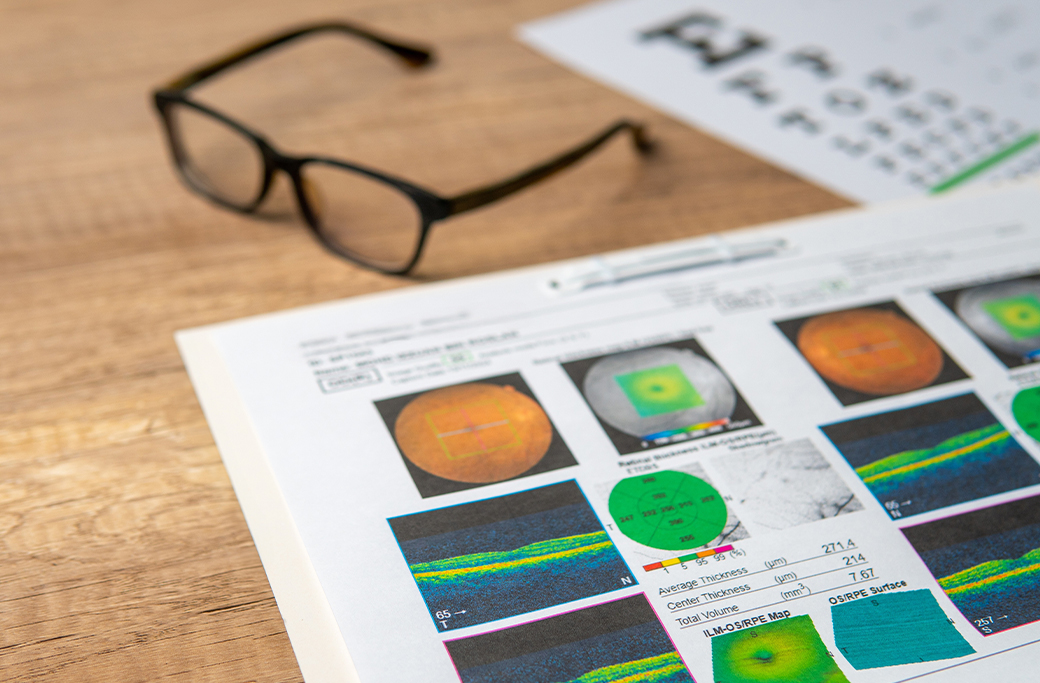
Advanced imaging may be used to examine the internal structures of the eye in detail. In many cases, dilation is performed so the specialist can get a clear view of the lens, retina, and optic nerve. This step is essential for ruling out other conditions that can mimic cataract symptoms.
Discussion of Lens Options
If cataracts are present and treatment is appropriate, the evaluation may include a discussion of lens options and surgical considerations. This helps patients understand potential next steps based on lifestyle, visual needs, and overall eye health.
Why Patients Near Boston Choose MERSI

Patients in the Boston, MA area choose MERSI for advanced diagnostic testing and fellowship-trained ophthalmologists who specialize in both cataract and retinal disease evaluation. The goal is to clearly identify the cause of vision changes before recommending treatment.
When to Seek Care

A cataract evaluation is recommended when vision changes begin affecting reading, driving, or daily activities, or when glasses no longer provide adequate clarity.
Why an Accurate Diagnosis Matters
Since cataracts, retinal disease, and other eye conditions can cause similar symptoms, a comprehensive evaluation is the only way to determine what is truly affecting vision. Identifying the correct cause ensures patients receive the right care at the right time and helps guide whether monitoring, treatment, or cataract surgery is appropriate.
Schedule a Cataract Evaluation at MERSI
When vision changes start affecting reading, driving, or daily activities, it’s important not to guess the cause. Cataracts, retinal disease, and other eye conditions can produce similar symptoms, and the only way to know for sure is through a comprehensive eye evaluation.
At MERSI, patients receive advanced diagnostic testing designed to clearly identify what is affecting vision and guide the most appropriate next steps for care.
Schedule a cataract evaluation today to get clear answers about your vision and understand your treatment options.
Frequently Asked Questions
Do cataract evaluations include dilation?
Yes. In many cases, dilation is performed so the specialist can fully examine the lens, retina, and optic nerve to assess overall eye health.
How long does a cataract evaluation take?
A cataract evaluation typically takes about an hour, depending on the level of diagnostic testing needed.
Can a cataract evaluation detect other eye conditions?
Yes. A comprehensive evaluation can help identify other conditions such as retinal disease, macular degeneration, or diabetic eye disease that may also affect vision.
Is a cataract evaluation painful?
No. The exam is non-invasive and generally painless, though dilation drops may cause temporary light sensitivity or blurred near vision.