
Quick Answer: Diabetic macular edema (DME) is a diabetes-related eye condition that causes swelling in the macula, the part of the retina responsible for sharp central vision. DME develops when damaged blood vessels leak fluid into the retina and can lead to blurry vision or vision loss if left untreated.
What This Means

If you have diabetes or diabetic retinopathy, you may hear your doctor mention diabetic macular edema, sometimes called DME eye disease.
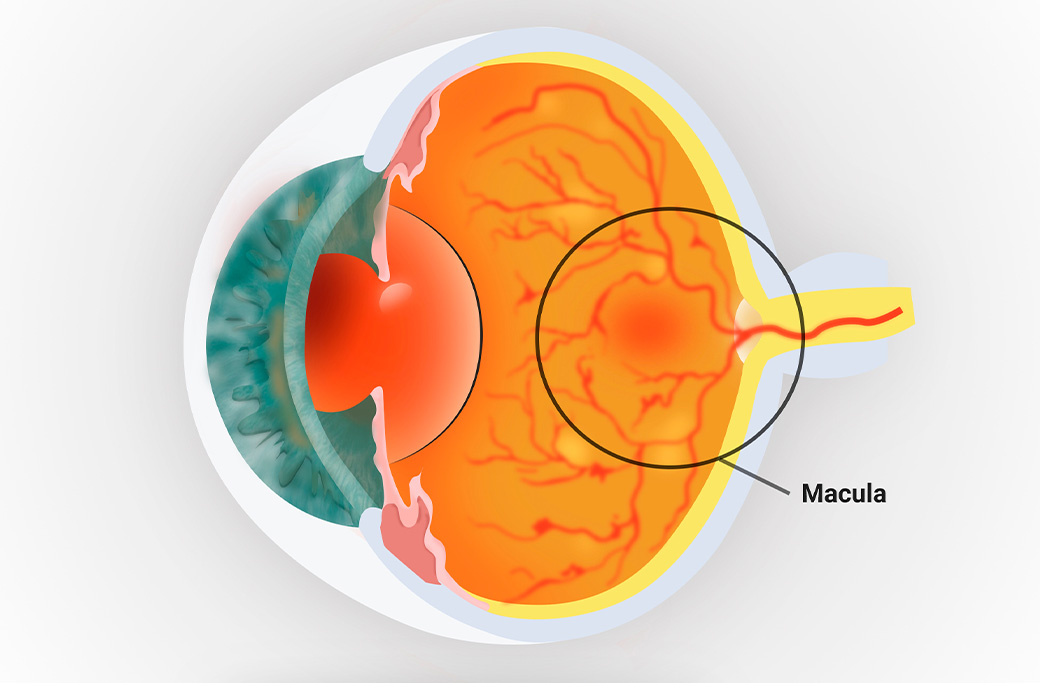
DME is one of the most common complications of diabetic retinopathy and a leading cause of diabetes-related vision loss. It occurs when high blood sugar damages tiny retinal blood vessels, allowing fluid to leak into the macula (the area of the retina responsible for reading, driving, and seeing fine details).
Over time, this swelling in the retina from diabetes can make central vision blurry or distorted.
The good news is that early diagnosis and treatment can often help slow progression and preserve vision.
Since diabetes can silently affect retinal health, it helps to understand how diabetes can damage your retina and why proactive monitoring matters.
What Is the Macula?
The macula is the central portion of the retina that allows you to see sharp details directly in front of you.
You rely on the macula for activities such as:
-
- Reading
- Driving
- Recognizing faces
- Seeing fine details
- Using digital screens
When fluid builds up in this area, vision can become blurry or distorted. This is why diabetic macular edema may significantly affect day-to-day activities if left untreated.
What Causes Diabetic Macular Edema?
DME develops when diabetes damages the blood vessels inside the retina.
Over time, high blood sugar may weaken these vessels, causing them to:
-
- Leak fluid into the macula
- Cause abnormal bleeding
- Reduce oxygen flow to the retina
As fluid accumulates in the macula, the retina becomes swollen and central vision may worsen. Patients with diabetic retinopathy are at increased risk for developing diabetic macular edema, particularly if diabetes is poorly controlled.
Learn more about whether diabetic retinopathy can be reversed and how early treatment may help slow disease progression.
What Are the Symptoms of Diabetic Macular Edema?
Symptoms of diabetic macular edema often develop gradually.
Common warning signs include:
-
- Blurry central vision
- Difficulty reading
- Distorted or wavy vision
- Colors appearing faded
- Trouble focusing on fine details
- Dark or blurry spots in central vision
Some patients may not notice symptoms immediately, especially in early stages. If you are noticing vision changes, it is important to understand the symptoms of diabetic retinopathy, since DME often develops alongside diabetic retinal disease.
How Is DME Diagnosed?
A retina specialist can diagnose diabetic macular edema using advanced retinal imaging.
Testing may include:
Dilated Retinal Exam
Allows specialists to examine the retina for swelling, leaking blood vessels, or retinal damage.
Optical Coherence Tomography (OCT)
OCT uses advanced imaging to create detailed retinal scans and measure swelling in the macula.
Fluorescein Angiography
In some cases, specialists may use dye imaging to identify leaking retinal blood vessels. Since diabetic eye disease may develop without symptoms, routine retinal exams are important for early detection.
Learn more about how often diabetics should get retinal exams and why consistent monitoring matters.
How Is Diabetic Macular Edema Treated?
Treatment depends on the severity of retinal swelling and how much vision is affected.
Common treatment options include:
Anti-VEGF Eye Injections
These medications help reduce retinal swelling and block abnormal blood vessel growth.
Steroid Injections or Implants
Some patients may benefit from steroid treatment to reduce inflammation inside the eye.
Laser Therapy
Laser treatment may sometimes be used to seal leaking blood vessels and stabilize retinal damage.
Ongoing Monitoring
Regular retinal imaging helps specialists monitor progression and adjust treatment over time. Early intervention often improves outcomes and may reduce the risk of permanent vision loss.
When Should You See a Retina Specialist? If you have diabetes and experience blurry vision, distorted vision, or trouble focusing, it may be time to schedule a retinal evaluation.

Even without symptoms, diabetic patients benefit from proactive monitoring because retinal damage often develops silently.
At the Massachusetts Eye Research and Surgery Institution (MERSI), our retina specialists diagnose and treat diabetic macular edema using advanced imaging technology and personalized care plans designed to help preserve long-term vision.
If you are looking for a diabetic eye doctor near Boston or a retina specialist for diabetes, our team can help evaluate your retinal health and recommend the right next steps.
What Is Diabetic Macular Edema (DME)? | MERSI
Diabetic macular edema is a serious diabetes-related eye condition that causes swelling in the retina and may threaten central vision. Since DME often develops alongside diabetic retinopathy, early diagnosis and routine retinal monitoring are important for protecting eyesight.
Frequently Asked Questions
Is diabetic macular edema the same as diabetic retinopathy?
No. Diabetic retinopathy refers to damage to retinal blood vessels, while diabetic macular edema is swelling in the macula caused by fluid leakage.
Can diabetic macular edema go away?
Treatment may help reduce swelling and stabilize vision, but outcomes depend on disease severity and timing of treatment.
Can diabetic macular edema cause blindness?
If left untreated, DME may lead to significant vision loss and interfere with central vision.
Who treats diabetic macular edema?
A retina specialist typically diagnoses and treats diabetic macular edema.