
If you are searching for a diabetic retinopathy specialist near Boston, MERSI provides advanced retinal diagnostics, experienced retina specialists, and personalized treatment plans designed to help protect your vision from diabetes-related eye disease.
Living with diabetes means monitoring more than blood sugar levels. Over time, diabetes can damage the tiny blood vessels in the retina, leading to diabetic retinopathy, which is a serious condition that may progress without noticeable symptoms in its early stages. Without proper monitoring and treatment, diabetic eye disease can lead to permanent vision loss.
At the Massachusetts Eye Research and Surgery Institution (MERSI), we specialize in diagnosing and treating retinal diseases for patients throughout Waltham and the Greater Boston area. Through advanced imaging technology, proactive monitoring, and evidence-based treatment options, our retina specialists help patients manage diabetic retinopathy and preserve long-term eye health. Learn more about our retina care services to understand how specialized treatment can help protect your vision.
Since diabetic retinopathy often develops silently, regular evaluations from a diabetic eye doctor near Boston are essential. Early detection allows our specialists to identify retinal changes before symptoms worsen, helping patients take action before irreversible damage occurs.
What Is Diabetic Retinopathy?
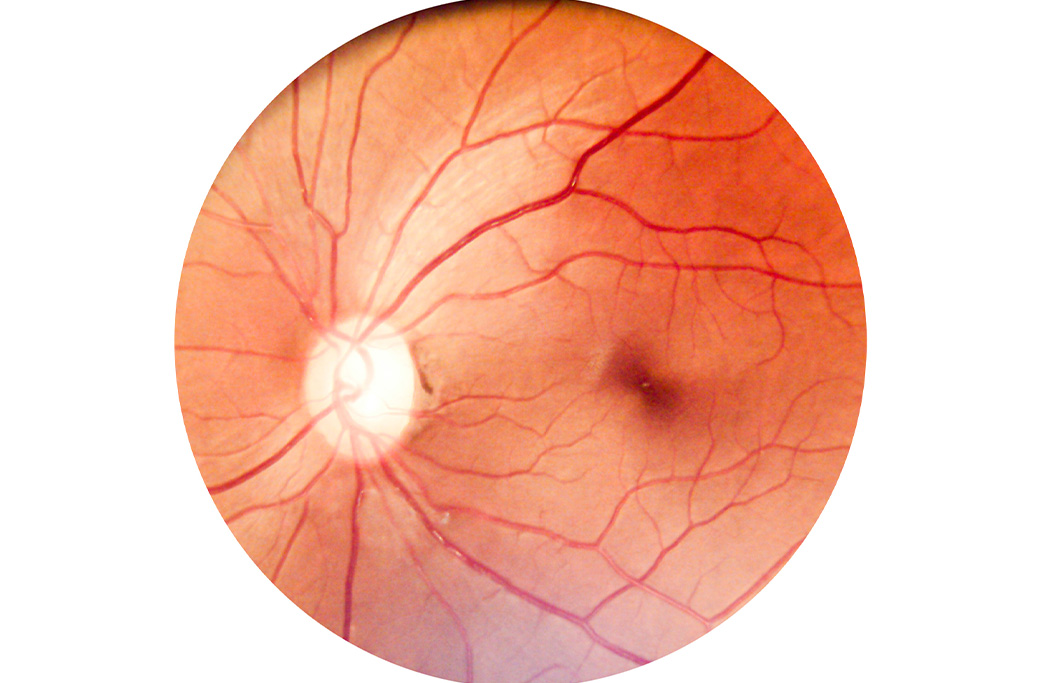
Diabetic retinopathy is an eye condition that can cause vision loss and blindness in people who have diabetes. It affects blood vessels in the retina, which is the light-sensitive layer of tissue at the back of your eye. According to the Centers for Disease Control and Prevention, diabetic retinopathy is the leading cause of new cases of blindness among adults aged 20 to 74 years.
When blood sugar levels remain high over time, they damage the tiny blood vessels that supply the retina. This damage generally progresses through two main stages:
-
- Nonproliferative diabetic retinopathy (NPDR): This is the early stage of the disease. The blood vessels weaken, bulge, and can leak fluid into the retina. This leakage often causes swelling in the macula, a condition known as diabetic macular edema.
- Proliferative diabetic retinopathy (PDR): This is the more advanced stage. The retina is deprived of oxygen, prompting the eye to grow new, abnormal blood vessels. These fragile vessels often bleed into the vitreous (the gel-like center of the eye), causing severe vision loss.
Early diagnosis matters immensely. Diabetic retinopathy can develop entirely without symptoms during its early phases.
Common Symptoms of Diabetic Retinopathy

Due to the early stages often presenting no warning signs, regular retinal exams are essential for anyone living with diabetes. When symptoms do finally appear, they typically affect both eyes.
Common warning signs include:
-
- Blurry vision that makes reading or driving difficult
- Floaters or dark spots drifting across your field of vision
- Difficulty seeing clearly at night
- Fluctuating vision that changes from day to day
- Dark or empty areas in your central vision
- Sudden vision changes or total vision loss
Many patients experience no symptoms in early stages, making regular retinal exams essential. If you notice any of these signs, you need to seek diabetic retinopathy treatment immediately to prevent permanent damage.
Why You Should See a Diabetic Retinopathy Specialist Near Boston
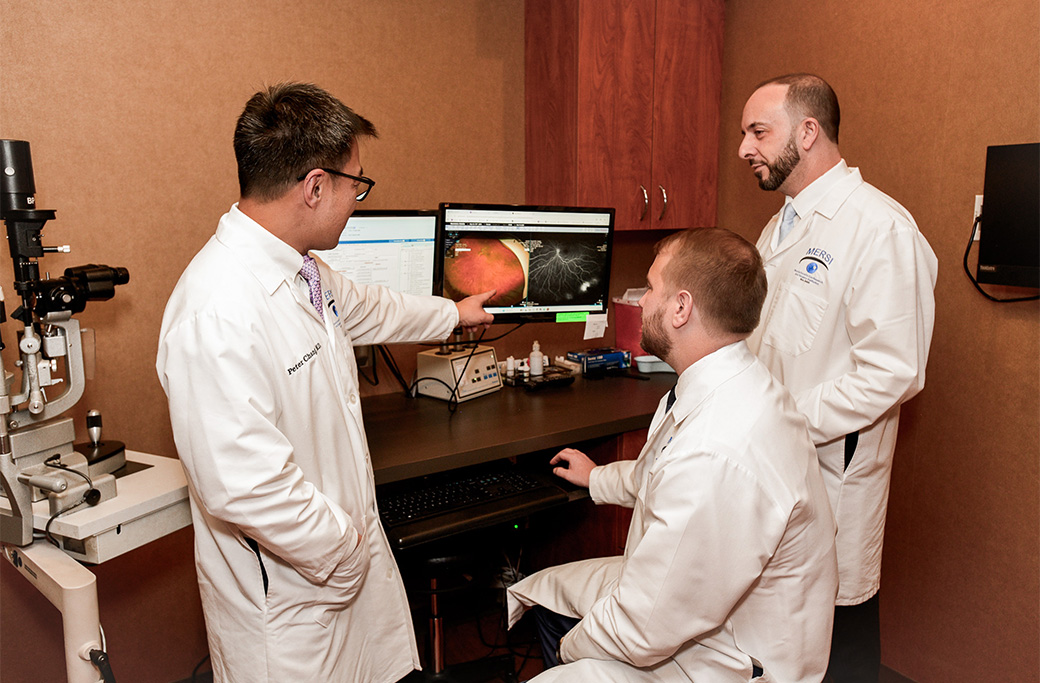
A general eye exam checks your prescription for glasses and screens for basic eye health. However, specialized eye care is a distinct discipline. Retina specialists undergo years of advanced fellowship training to manage complex, sight-threatening conditions.
Seeing a retina specialist near Boston provides you with specialized expertise in retinal diseases. Specialists utilize advanced diagnostic imaging that a standard optometry office might not carry. They possess the clinical and surgical experience necessary for treating complex diabetic eye disease. Furthermore, these specialists coordinate your care directly with your endocrinologists and primary care physicians to ensure your overall health is managed effectively.
At MERSI, our team focuses on diseases affecting the retina, including diabetic retinopathy and diabetic macular edema. Our Waltham facility allows Massachusetts patients to access top-tier care without navigating downtown Boston traffic.
How MERSI Diagnoses Diabetic Retinopathy

Proper diabetic retinal care requires advanced technology. At MERSI, we utilize a fully equipped diagnostic center that provides same-day results interpretation.
During your visit, you will receive a comprehensive dilated eye exam. Drops are placed in your eyes to widen the pupils, allowing our specialists to look through a special magnifying lens to examine your retina and optic nerve for signs of damage.
We also use optical coherence tomography (OCT). This machine scans the retina and provides highly detailed cross-sectional images of its thickness. This helps our doctors detect fluid accumulation. If necessary, we perform fluorescein angiography, where a specialized dye is injected into your arm. The dye travels to your eyes, highlighting blocked or leaking blood vessels as we take rapid photographs.
Patients can expect a welcoming environment during an evaluation at MERSI. Our staff compiles all diagnostic data into your electronic medical record and quickly sends a detailed report to your referring doctor.
Treatment Options for Diabetic Retinopathy at MERSI
Treatment depends on the severity of your disease and is personalized for each patient. Our physicians determine the safest, most effective path for your specific condition.
Anti-VEGF Eye Injections
Anti-VEGF medications block a specific protein that stimulates abnormal blood vessel growth. These injections reduce swelling in the macula and slow the progression of diabetic eye disease. They are a primary treatment for diabetic macular edema.
Laser Treatment for Diabetic Retinopathy
Laser therapy can help preserve vision by sealing leaking blood vessels or shrinking abnormal ones. Specialists often recommend focal laser treatment to target specific leaks in the macula, or scatter laser treatment to slow the growth of new blood vessels across the wider retina.
Vitrectomy Surgery for Advanced Cases
A vitrectomy is a surgical procedure performed in an operating room. It involves removing the vitreous gel and any blood leaking from abnormal vessels. Specialists recommend this surgery when bleeding is severe or if scar tissue begins pulling the retina away from the back of the eye.
Why Early Treatment Can Help Protect Your Vision
Vision loss from diabetic retinopathy may become permanent if left untreated. Prompt diabetic eye disease treatment stops the disease from advancing and protects the healthy tissue you still have.
The benefits of early intervention are clear. Treating the disease in its nonproliferative stage prevents the formation of fragile new blood vessels, drastically lowering the risk of severe bleeding and retinal detachment. This highlights the importance of annual diabetic eye exams, or more frequent monitoring when recommended by your doctor.
Managing your overall health also supports your eye health. Keeping your blood pressure and cholesterol levels in a healthy range reduces the strain on the delicate blood vessels in your eyes.
Why Patients Near Boston Choose MERSI for Diabetic Retinopathy Care
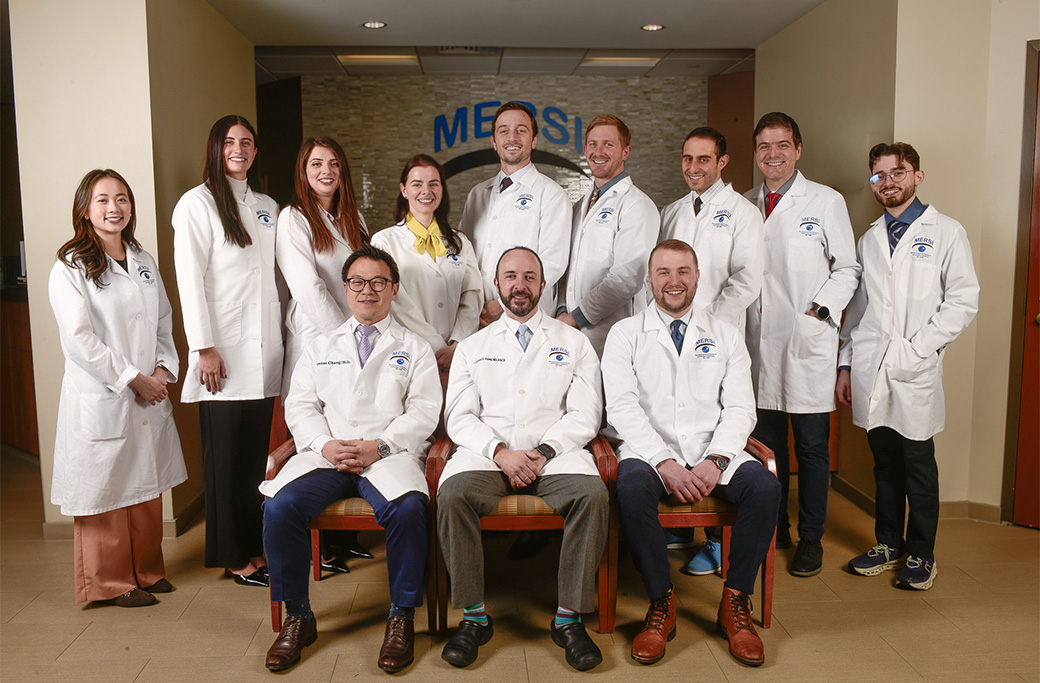
MERSI offers university-level expertise in a comfortable private practice setting. Our experienced retina specialists, including Dr. Peter Y. Chang and Dr. Carl S. Wilkins, bring a powerful combination of expertise in vitreoretinal surgery and ocular immunology.
We utilize advanced diagnostic and treatment technology to provide personalized patient care. Located conveniently in Waltham, we offer easy access for patients near Boston, complete with free parking and immediate appointment availability. We embrace a collaborative approach to long-term diabetic eye management, working closely with your other healthcare providers.
MERSI is committed to preserving your vision and helping you maintain a high quality of life through dedicated, compassionate care.
Diabetic Retinopathy Specialist Near Boston | MERSI
If you have diabetes and are concerned about changes in your vision—or simply want proactive retinal care—MERSI is here to help. Do not wait for symptoms to appear before seeking professional care. Our experienced retina specialists provide advanced diabetic retinopathy diagnosis and treatment for patients near Boston.
Contact our Waltham office today to schedule your consultation and take a vital step toward protecting your vision.
Frequently Asked Questions About Diabetic Retinopathy
Can diabetic retinopathy be reversed?
Diabetic retinopathy cannot be completely reversed, but treatment can stop or slow its progression. The goal of treatment is to manage the disease, prevent further vision loss, and stabilize your current eyesight.
How often should diabetics get an eye exam?
People with diabetes should get a comprehensive dilated eye exam at least once a year. If you have active diabetic retinopathy, your retina specialist will likely recommend more frequent visits to closely monitor your eyes.
What doctor treats diabetic retinopathy?
A retina specialist treats diabetic retinopathy. These are ophthalmologists who have completed additional fellowship training specifically focused on diagnosing and treating diseases of the retina and vitreous.
Is blurry vision always a sign of diabetic retinopathy?
Blurry vision is a common symptom of diabetic retinopathy, but it can also be caused by changes in your blood sugar levels or other eye conditions like cataracts. A specialist can determine the exact cause of your blurred vision.
Can diabetic retinopathy cause blindness?
Yes. If left untreated, diabetic retinopathy can cause severe vision loss and eventual blindness. The abnormal blood vessels can cause severe bleeding or lead to retinal detachment.
Do I need treatment if I don’t have any symptoms?
Yes. You may need treatment even if you don’t have any symptoms. Diabetic retinopathy can cause significant internal damage before it affects your vision. Early treatment is the most effective way to prevent permanent vision loss.