
Cataract surgery removes the eye’s cloudy natural lens and replaces it with a clear artificial intraocular lens, or IOL. Femtosecond laser-assisted cataract surgery uses a computer-guided laser to assist the surgeon with certain steps of this procedure.
At MERSI, femtosecond laser-assisted cataract surgery is performed using the CATALYS Precision Laser System. The laser does not replace the cataract surgeon or perform the entire operation. Instead, it gives the surgeon another tool for completing specific portions of the procedure.
Understanding what the laser does, its potential benefits and limitations, and what recovery may involve can help you have a more informed conversation with your ophthalmologist about your cataract surgery options.
Quick Answer: What Is Femtosecond Laser Cataract Surgery?
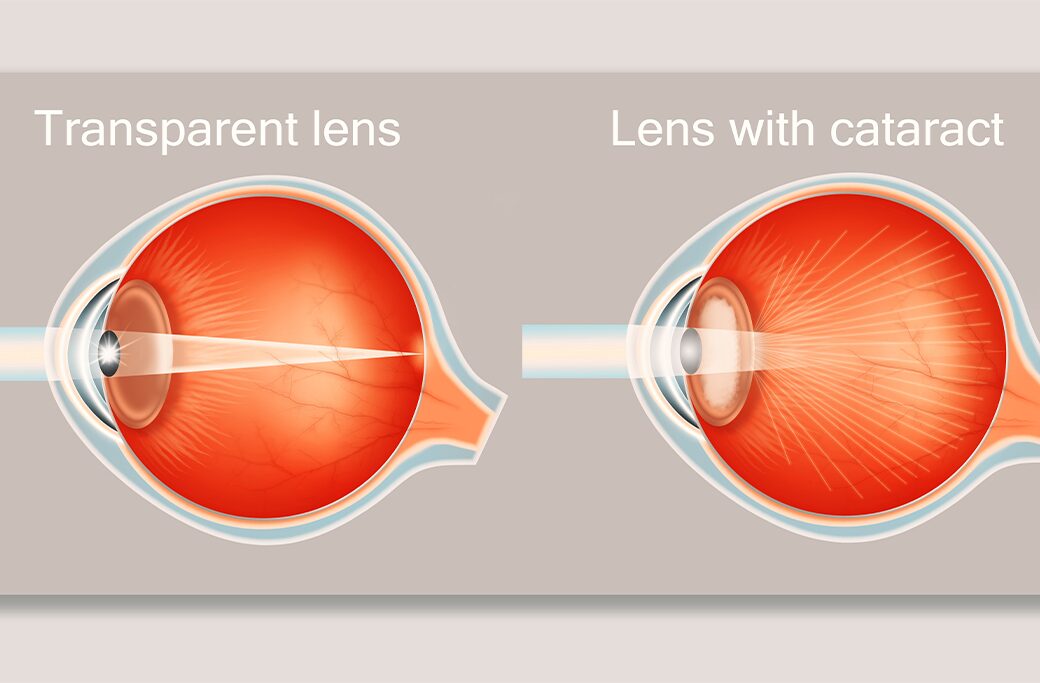
Femtosecond laser cataract surgery is a form of cataract surgery in which a computer-guided laser assists the surgeon with certain steps of the procedure. The laser may be used to create precise incisions, make an opening in the lens capsule and soften or divide the cataract before it is removed. The surgeon still performs the surgery and implants the artificial intraocular lens.
Laser-assisted surgery may offer technical advantages for certain patients, but it is not automatically the best approach for everyone. Your ophthalmologist can determine whether it is appropriate for your eyes and visual goals.
How Does Femtosecond Laser Cataract Surgery Work?
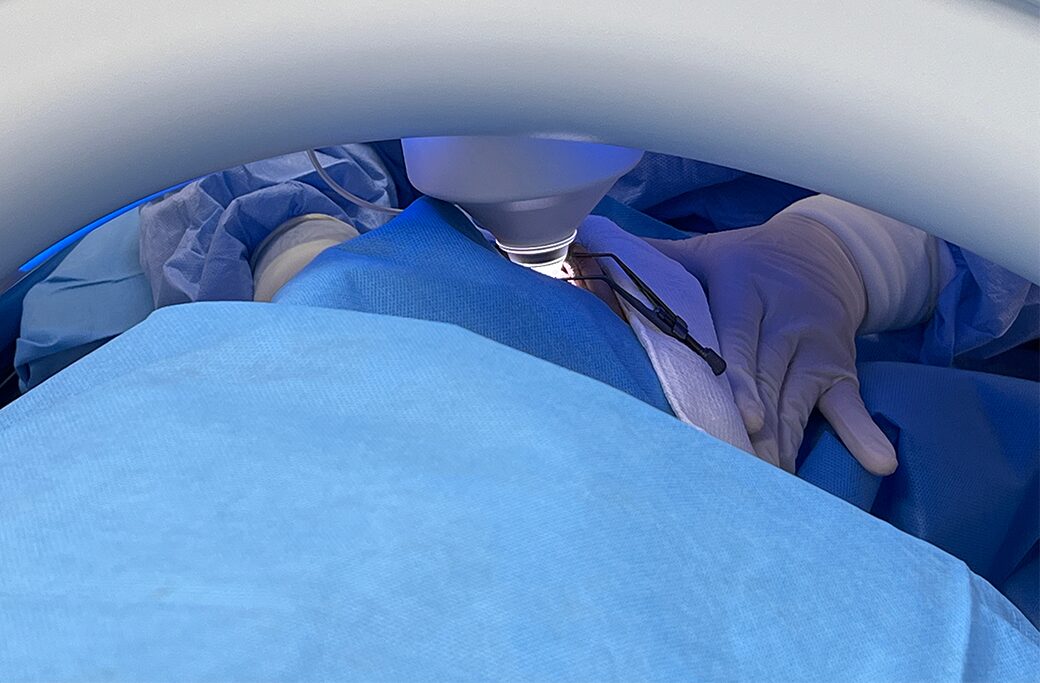
A femtosecond laser delivers extremely short pulses of laser energy. During laser-assisted cataract surgery, imaging and computer guidance allow the surgeon to plan certain steps of the procedure based on the patient’s eye.
Depending on the individual surgical plan, the laser may assist with:
-
- Creating the opening in the capsule surrounding the natural lens
- Softening or dividing the cataract before its removal
- Creating certain corneal incisions
- Assisting with incisions intended to address some types of astigmatism when appropriate
After these laser-assisted steps, the surgeon removes the cloudy natural lens and places the selected intraocular lens inside the eye.
Does the Laser Perform the Entire Cataract Surgery?
No. The term “laser cataract surgery” can make it sound as though a machine performs the operation automatically, but that is not the case.
The femtosecond laser assists with specific portions of cataract surgery. Your ophthalmic surgeon remains responsible for planning and performing the procedure, removing the cataract, selecting and positioning the intraocular lens, and managing your care before and after surgery.
The surgeon’s experience, your overall eye health, the type of cataract and the lens selected are all important parts of the surgical plan.
Femtosecond Laser vs. Traditional Cataract Surgery: What Is the Difference?
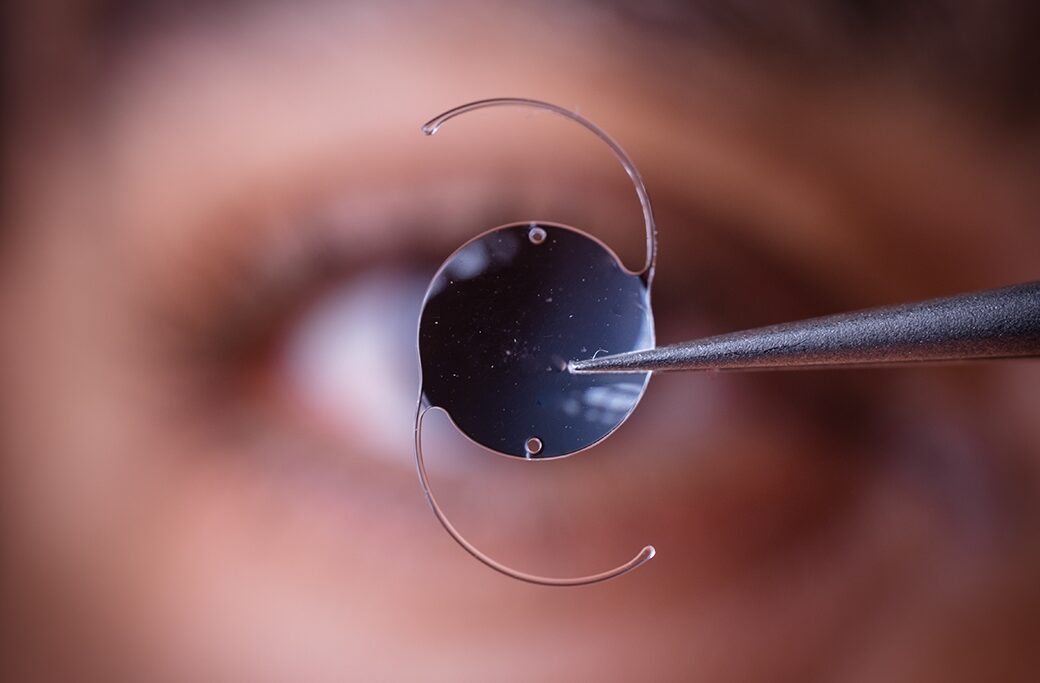
Both conventional and femtosecond laser-assisted cataract surgery have the same fundamental goal: remove the cloudy natural lens and replace it with a clear artificial lens.
The primary difference is how certain surgical steps are performed.
In conventional cataract surgery, the surgeon performs these steps using specialized surgical instruments. With femtosecond laser-assisted cataract surgery, the surgeon uses computer-guided laser technology to assist with selected steps before completing the remainder of the operation.
Traditional cataract surgery remains an established treatment for cataracts. Femtosecond laser technology provides another surgical option that may offer technical advantages in selected cases.
What Are the Potential Benefits of Femtosecond Laser Cataract Surgery?
Potential benefits relate primarily to the surgeon’s ability to plan and perform certain steps of cataract surgery with computer-guided laser assistance.
Precise, Computer-Guided Treatment
The femtosecond laser can create a planned opening in the lens capsule and assist with other selected incisions. This provides the surgeon with a high degree of control over these steps of the operation.
Cataract Fragmentation
The laser can soften or divide the cataract before the surgeon removes the cloudy lens material. The significance of this varies depending on the cataract and individual surgical circumstances.
Astigmatism Management in Selected Patients
For some patients, laser-created corneal incisions may be incorporated into the surgical plan to help address certain levels of astigmatism.
Integration With an Individualized Cataract Surgery Plan
Laser-assisted surgery can be combined with the intraocular lens selected for the patient’s visual needs. Lens selection and laser assistance are separate decisions, however, and using a femtosecond laser does not guarantee a particular visual result or freedom from glasses.
Is Femtosecond Laser Cataract Surgery Safer or Better?
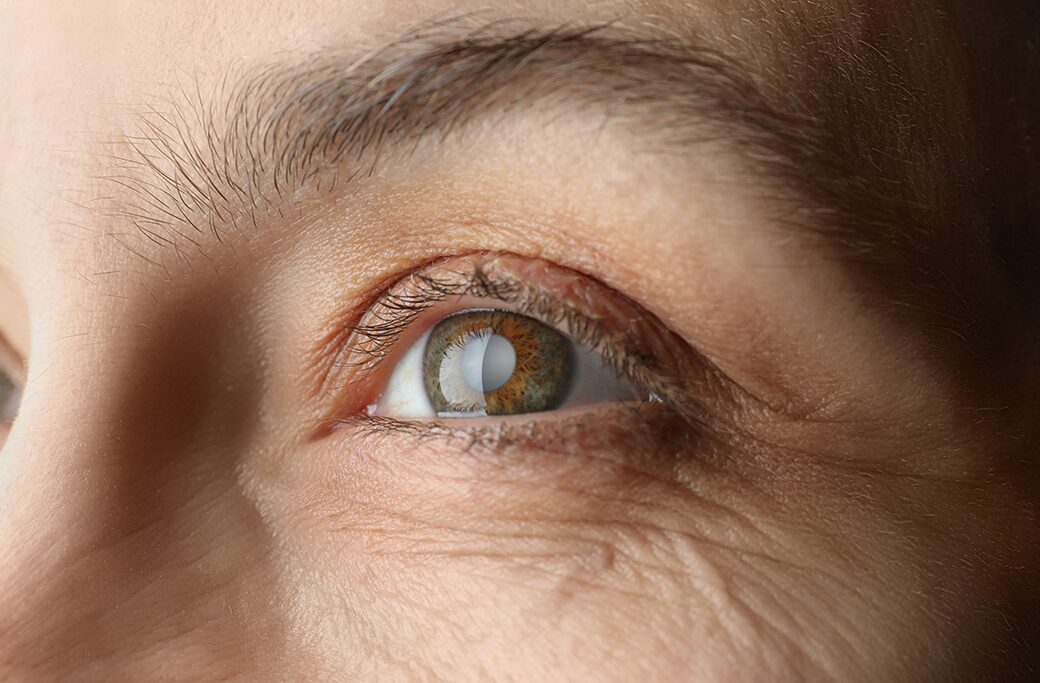
Not necessarily for every patient.
Femtosecond laser technology can provide additional precision and automation for certain surgical steps, but that does not mean laser-assisted surgery is automatically safer, more effective or preferable for every person undergoing cataract surgery.
Both conventional and laser-assisted cataract surgery require an experienced surgeon, and both have potential risks. The most appropriate approach depends on factors such as your eye anatomy, cataract characteristics, other eye conditions, visual goals and the surgeon’s clinical assessment.
A cataract consultation is the appropriate time to discuss whether the potential advantages of laser assistance are meaningful for your particular situation.
Are There Disadvantages or Limitations to Laser Cataract Surgery?
Femtosecond laser-assisted surgery is not appropriate or necessary for every cataract patient.
Potential considerations include:
-
- Not every patient is an appropriate candidate
- Laser assistance does not eliminate the risks associated with cataract surgery
- The laser performs only selected portions of the procedure
- Laser technology does not guarantee a better visual outcome
- Patients may still need glasses after surgery
- Additional costs may apply depending on the services selected and individual coverage
Your surgeon can explain the potential advantages and limitations as they apply to your eyes rather than relying on a one-size-fits-all comparison.
Who May Be a Candidate for Femtosecond Laser Cataract Surgery?
Candidacy is determined during a comprehensive cataract evaluation.
Your ophthalmologist may consider your:
-
- Type and severity of cataract
- Corneal health
- Degree and type of astigmatism
- Overall eye anatomy
- Retinal and optic nerve health
- History of other eye conditions or previous eye surgery
- Intraocular lens options
- Visual needs and expectations
Some patients with other eye diseases require additional planning before cataract surgery. At MERSI, the evaluation is designed to identify conditions that could influence the surgical approach or expected visual outcome.
Not every patient is a candidate for every surgical technique or intraocular lens option.
What Happens on the Day of Femtosecond Laser Cataract Surgery?
Cataract surgery at MERSI is performed as an outpatient procedure.
Before surgery, your eye-care team will review your surgical plan and prepare the eye for the procedure. With femtosecond laser-assisted surgery, the CATALYS Precision Laser System is used for the planned laser-assisted portions of the operation.
The surgeon then completes the cataract removal and implants the selected intraocular lens.
Due to the varying degree of individual surgical plans, your MERSI surgeon will explain what to expect before your procedure, including anesthesia, medications and postoperative instructions.
You will need to arrange transportation home after cataract surgery and should not plan to drive yourself.
How Long Does Femtosecond Laser Cataract Surgery Take?
The length of the procedure and total time at the surgical facility can vary.
MERSI’s current cataract information describes cataract surgery as an outpatient procedure, with the surgery itself typically taking approximately 15 to 30 minutes. Your total visit will be longer because of preparation before surgery and monitoring afterward.
Your care team can give you more specific timing instructions for your scheduled procedure.
Femtosecond Laser Cataract Surgery Recovery Timeline
Recovery varies from patient to patient. Your surgeon’s instructions should always take priority over a general timeline.
Day of Surgery
Vision may initially be blurry or hazy. Your eye may also feel mildly irritated, watery or gritty.
You will need someone else to drive you home. Avoid rubbing or pressing on the treated eye and begin your postoperative medications according to your surgeon’s instructions.
First Few Days
Vision may begin to become clearer as the eye heals, although the timing varies.
Temporary symptoms can include mild irritation, light sensitivity or fluctuations in vision. Use prescribed eye drops exactly as directed and follow any instructions regarding an eye shield or other protection.
Do not drive until your eye-care professional tells you that your vision has recovered sufficiently and it is safe to do so.
First Week
Many patients are able to return to routine, non-strenuous activities relatively soon after cataract surgery, but restrictions vary.
Your surgeon may temporarily limit activities that place pressure or strain on the healing eye. Follow the instructions you receive regarding exercise, bending, lifting, swimming, eye makeup and other activities rather than relying on a universal timetable.
Postoperative follow-up allows your eye-care team to monitor healing and adjust instructions when necessary.
Following Weeks
The eye continues to heal and vision may continue to stabilize.
Continue medications for as long as prescribed and attend scheduled follow-up appointments. Your ophthalmologist will tell you when activity restrictions can be lifted and when your vision is sufficiently stable for any final glasses prescription, if one is needed.
What Symptoms Are Common During Cataract Surgery Recovery?
Some temporary symptoms can occur while the eye heals, including:
- Blurry or fluctuating vision
- Mild irritation or a gritty sensation
- Watery eyes
- Light sensitivity
- Mild redness
Your surgeon will explain what is expected based on your procedure and eye health.
Symptoms that are severe, worsening or different from what your surgeon told you to expect should be reported promptly.
When Should You Contact an Eye-Care Professional After Cataract Surgery?
Contact your ophthalmologist promptly if you develop a sudden or significant change after surgery, including:
- Sudden decrease or loss of vision
- New flashes or a sudden increase in floaters
- A dark shadow or curtain-like area in your vision
- Increasing eye pain
- Increasing redness
- Significant or worsening light sensitivity
- Other symptoms your surgeon has instructed you to report
Follow the postoperative instructions provided by your surgical team. If you are uncertain whether a symptom is expected, contact your eye-care provider rather than waiting for your next scheduled visit.
What Do Intraocular Lenses Have to Do With Laser Cataract Surgery?
Every cataract surgery requires replacing the cloudy natural lens with an artificial intraocular lens.
The IOL and the femtosecond laser have different roles. The laser assists the surgeon with selected surgical steps, while the IOL determines how light will be focused after the cloudy natural lens is removed.
Different IOL designs can address different visual needs. Depending on your eyes and goals, your surgeon may discuss options intended to provide distance vision, address astigmatism or provide vision across more than one range.
Not every lens is appropriate for every patient, and no IOL or laser technology can guarantee that you will never need glasses again.
Learn more about the lens and technology options available through MERSI’s Premium Cataract Services.
What Should I Ask at My Cataract Consultation?
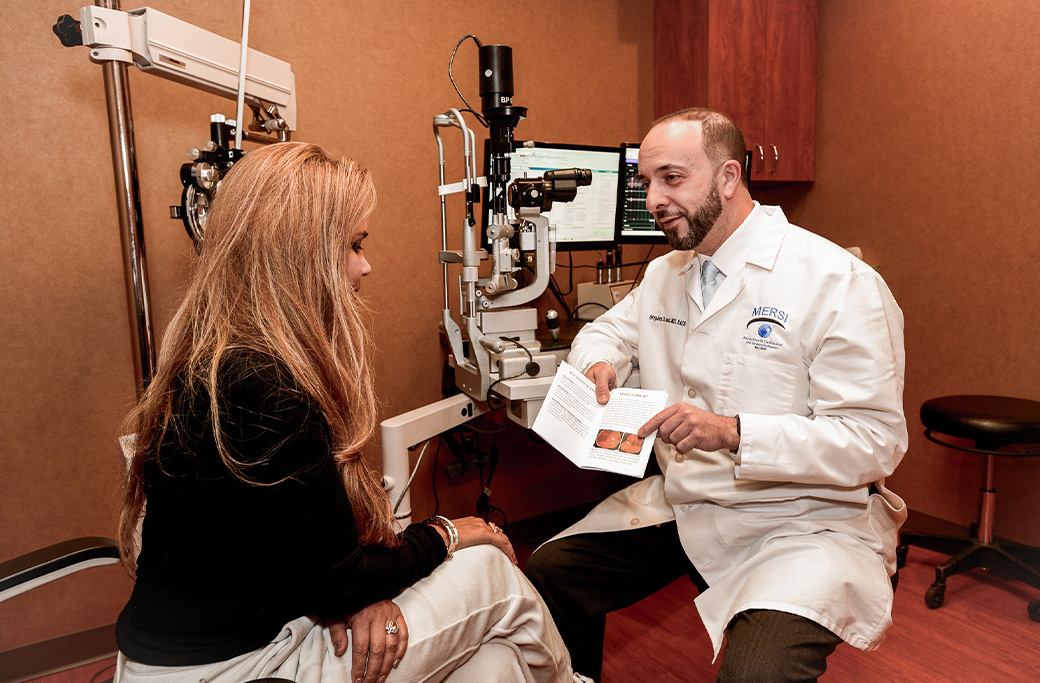
Consider asking your ophthalmologist:
-
- Is femtosecond laser-assisted cataract surgery appropriate for my eyes?
- What would the laser do during my particular procedure?
- Would conventional cataract surgery also be a reasonable option for me?
- Do I have astigmatism or another condition that affects the surgical plan?
- Which intraocular lens options are appropriate for my vision?
- What results should I realistically expect?
- Will I probably need glasses after surgery?
- What are the risks of cataract surgery in my particular case?
- What will my postoperative restrictions be?
- When can I expect to drive, exercise and return to my usual activities?
- What costs should I expect based on the surgical and lens options I am considering?
How Does MERSI Evaluate Cataract Patients?
A cataract evaluation should look beyond the presence of a cloudy lens.
At Massachusetts Eye Research and Surgery Institution (MERSI), your ophthalmologist evaluates how the cataract is affecting your vision and examines the health of the eye to determine whether cataract surgery is appropriate.
If surgery is recommended, your surgeon can discuss conventional and laser-assisted surgical approaches, intraocular lens options and realistic expectations based on your eye health and visual needs.
MERSI currently offers femtosecond laser-assisted cataract surgery using the CATALYS Precision Laser System. Whether that technology is appropriate for you is an individual clinical decision made with your ophthalmologist.
Schedule a Cataract Evaluation at MERSI
If cataracts are making it harder to read, drive, work or enjoy everyday activities, a comprehensive cataract evaluation can help you understand your options.
The ophthalmologists at MERSI can evaluate your eye health, discuss conventional and femtosecond laser-assisted cataract surgery, review appropriate intraocular lens options and help you understand what you can realistically expect from treatment.
Schedule an appointment with MERSI to discuss which cataract surgery approach may be appropriate for your eyes and vision goals.
Frequently Asked Questions About Femtosecond Laser Cataract Surgery
Is femtosecond laser cataract surgery the same as regular cataract surgery?
Both procedures remove the cloudy natural lens and replace it with an artificial intraocular lens. Femtosecond laser-assisted surgery uses a computer-guided laser to assist with certain steps that are otherwise performed with surgical instruments.
Does the laser remove the cataract by itself?
No. The laser assists with selected steps, such as creating a planned opening in the lens capsule and softening or dividing the cataract. The ophthalmic surgeon completes the operation, removes the cataract and implants the artificial lens.
What is the advantage of laser cataract surgery?
The femtosecond laser can provide computer-guided assistance for selected surgical steps. Potential advantages depend on the patient’s eyes and surgical plan, and laser assistance does not guarantee a better visual outcome.
How long is recovery after femtosecond laser cataract surgery?
Recovery varies. Some patients notice improving vision relatively soon after surgery, while the eye continues to heal over the following weeks. Follow your surgeon’s instructions about medications, driving, exercise and other activities because there is no universal recovery schedule.
Will I need glasses after femtosecond laser cataract surgery?
Possibly. The need for glasses depends on several factors, including the intraocular lens selected, your eye health and your visual needs. Femtosecond laser assistance itself does not guarantee freedom from glasses or contact lenses.
Is femtosecond laser cataract surgery covered by insurance?
Coverage and out-of-pocket costs can vary according to the patient’s insurance plan and the surgical or lens options selected. Confirm your individual coverage and expected costs with MERSI and your insurer before surgery.
Is femtosecond laser cataract surgery right for everyone?
No. Your ophthalmologist must evaluate your eye health, cataract, anatomy, visual goals and other factors to determine which surgical approach is appropriate.
Medically reviewed by:
Stephen D. Anesi, MD, FACS, Partner & Co-President
Specializes in: Ocular inflammatory diseases, cornea, glaucoma (medical, surgical & MIGS), cataract, and medical retina
Peter Y. Chang, MD, FACS, Partner & Co-President
Specializes in: Ocular inflammatory diseases, vitreoretinal surgery, and cataract
Carl S. Wilkins, MD
Specializes in: Ocular inflammatory diseases, vitreoretinal surgery, and cataract
Reviewed: April 12, 2026