
Why See a Fellowship-Trained Specialist for a Complex Eye Condition?
If you have been diagnosed with a complex eye condition, your ophthalmologist may recommend that you see a physician with additional training in a particular area of eye care. A fellowship-trained ophthalmologist is a medical doctor who has completed ophthalmology residency followed by additional focused training in a subspecialty such as retina, vitreoretinal surgery, ocular inflammatory disease and uveitis, cornea or glaucoma.
Not every eye condition requires subspecialty care. Comprehensive ophthalmologists diagnose and manage a wide range of eye conditions, and they often play an important role in recognizing when another physician’s focused expertise may be helpful. In many cases, the two doctors can work together as part of the same patient’s care team.
What Does “Fellowship-Trained Ophthalmologist” Mean?
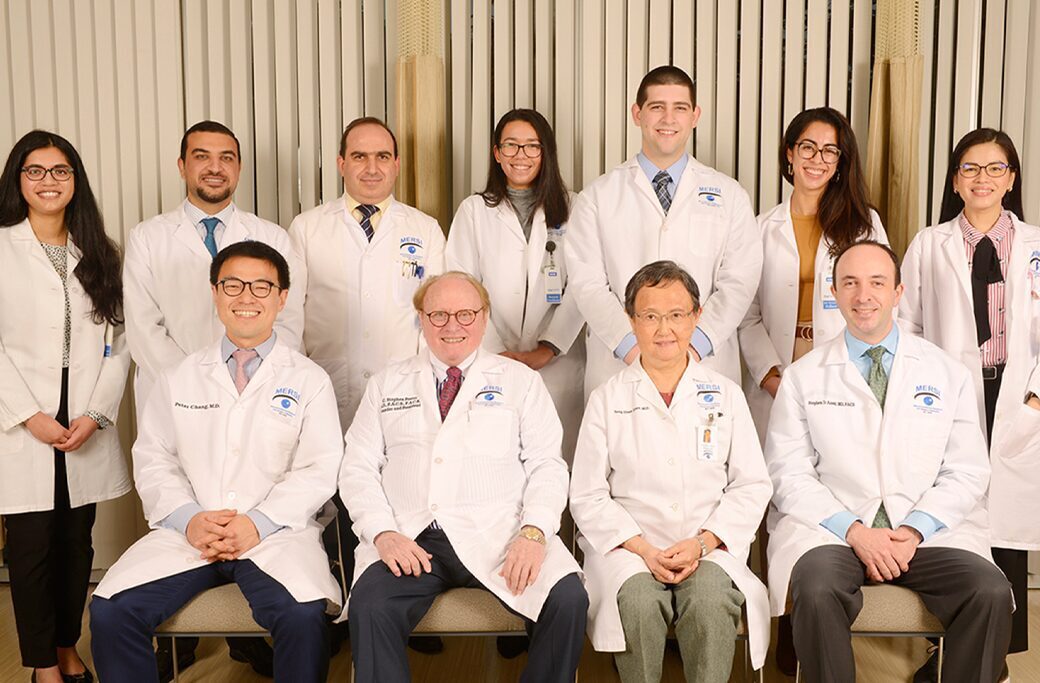
Ophthalmologists are physicians who receive medical and surgical training in eye care. After medical school and ophthalmology residency, some ophthalmologists choose to pursue additional fellowship training concentrated on a particular part of the eye or group of diseases.
For example, fellowship training may focus on areas such as:
-
-
Uveitis and ocular inflammatory disease
-
Corneal disease and surgery
-
Glaucoma
-
Other ophthalmic subspecialties
The purpose of fellowship training is focus. During this additional training, an ophthalmologist spends concentrated time evaluating and managing conditions within a particular area of eye care.
That does not make a fellowship-trained physician inherently “better” than a comprehensive ophthalmologist. The physicians have different areas of focus, and the right type of care depends on the patient’s diagnosis and individual needs.
How Is Fellowship Training Different From Ophthalmology Residency?
Ophthalmology residency provides broad medical and surgical training across eye care. It prepares an ophthalmologist to diagnose and manage many different eye diseases and perform ophthalmic procedures and surgery.
A fellowship comes afterward and narrows the focus.
A physician completing a vitreoretinal fellowship, for example, receives additional training involving diseases and surgery of the retina and vitreous. A physician pursuing fellowship training in ocular immunology and uveitis concentrates on inflammatory diseases affecting the eye.
This distinction is also important when you hear the word “fellow” during an appointment.
A fellowship-trained ophthalmologist has already completed additional focused training. A current fellow is an ophthalmologist who is presently completing an advanced training program.
What Types of Ophthalmology Specialists Might Treat a Complex Eye Condition?
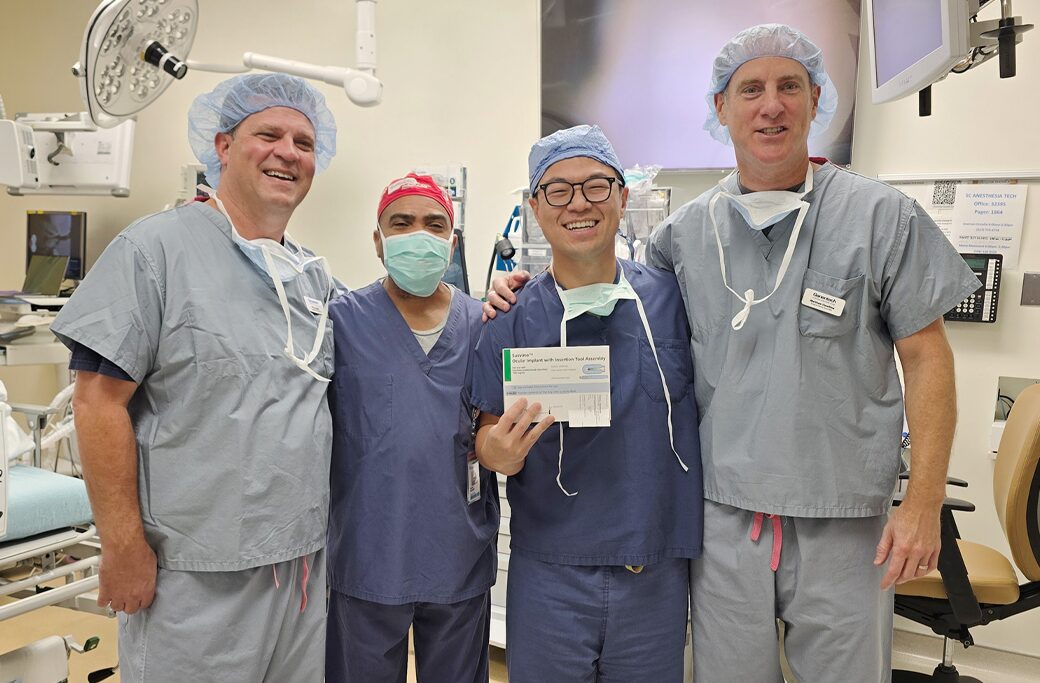
The specialist who is appropriate for you depends on the part of the eye involved, your diagnosis and whether additional medical or surgical expertise is needed.
Retina and Vitreoretinal Specialists
The retina is the light-sensitive tissue at the back of the eye. Retina specialists focus on conditions affecting the retina and vitreous, including disorders such as retinal tears and detachments, macular degeneration, diabetic retinopathy, macular holes and other vitreoretinal conditions.
MERSI provides both medical and surgical retina care.
Uveitis and Ocular Inflammatory Disease Specialists
Uveitis and other ocular inflammatory diseases involve inflammation in or around the eye. These conditions can sometimes occur along with autoimmune, infectious or other systemic diseases.
Focused training in ocular immunology and uveitis can be particularly relevant when inflammation is recurrent, difficult to control or associated with other medical conditions.
Learn more about Uveitis and Ocular Inflammatory Disease at MERSI.
Cornea and Glaucoma Care
Some ophthalmologists focus additional training or clinical practice on diseases involving the cornea or glaucoma.
MERSI’s clinical services include corneal disease and surgery as well as medical, laser and surgical glaucoma care. The appropriate physician depends on the specific condition and the type of evaluation or treatment being considered.
Patients who are not sure which specialty applies to their diagnosis can review What We Treat or contact MERSI for help determining the appropriate appointment.
When Might an Ophthalmologist Refer You to a Subspecialist?
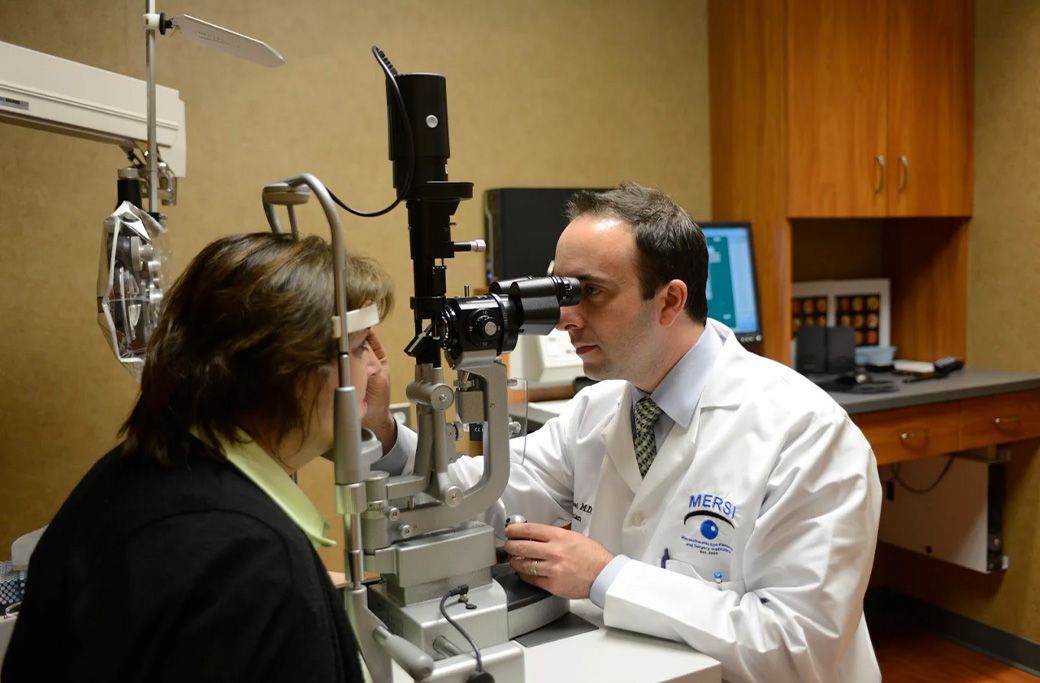
A referral to a subspecialist does not necessarily mean that something went wrong with your existing care.
Your ophthalmologist may recommend another specialist because:
-
-
Your diagnosis involves a particular part of the eye that benefits from focused expertise.
-
Your condition is uncommon or medically complicated.
-
Your symptoms or examination findings require additional evaluation.
-
Your condition is not responding as expected.
-
Specialized testing, treatment or surgery may need to be considered.
-
Another ophthalmic subspecialty has become relevant to your care.
-
In other situations, patients seek a subspecialist themselves after receiving a diagnosis or when they want another perspective.
If your primary concern is whether another medical opinion would be useful, read When Should You Get a Second Opinion for a Complex Eye Condition?.
Does Seeing a Specialist Mean Leaving Your Current Eye Doctor?
No. Seeing a subspecialist does not necessarily mean replacing the ophthalmologist or optometrist who already knows you.
Eye care can be collaborative.
A comprehensive ophthalmologist may continue providing much of your ongoing eye care, while a subspecialist evaluates or treats a particular condition. Depending on your needs, the specialist may provide a consultation, assume management of one aspect of your care or continue seeing you alongside your existing doctor.
The exact arrangement varies from patient to patient.
This is one reason it can be helpful to make sure each physician knows who else is involved in your eye and medical care.
How Can Specialists and Referring Doctors Work Together?
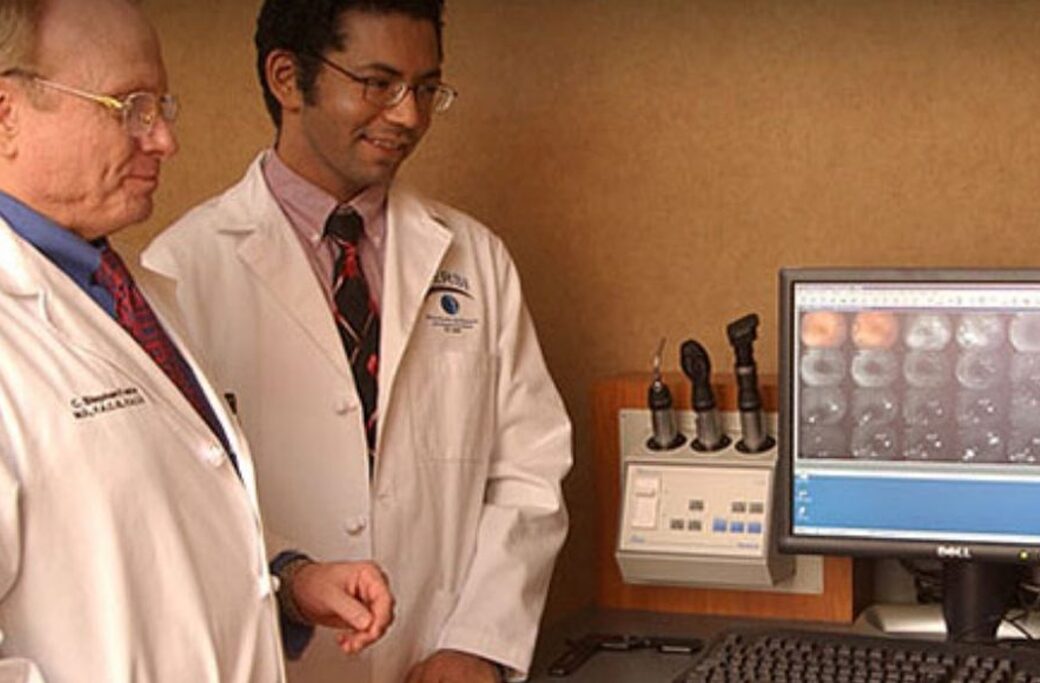
Coordination can be especially useful when an eye condition overlaps with another eye disease or a broader medical condition.
Information shared among physicians may include examination findings, imaging, laboratory results, diagnoses, treatment history and recommendations for follow-up.
At MERSI, patients may arrive through referrals from ophthalmologists, optometrists and other physicians, while others may contact the practice directly. Your existing eye doctor can remain an important part of your care before, during and after a specialized consultation.
What Should You Bring to a Specialized Eye Consultation?
When available, bring information that helps the specialist understand what has already happened in your care.
That may include:
-
-
Records from previous eye examinations
-
Eye imaging or test results
-
Relevant laboratory results
-
A current medication list
-
Information about previous treatments or procedures
-
Details about how you responded to earlier treatment
-
Contact information for physicians involved in your care
-
Questions you want to discuss
-
If records need to be sent ahead of your visit, ask the practice what should be provided and how it should be submitted.
How Do You Know Which Eye Specialist Is Right for Your Condition?
Start with the diagnosis or the part of the eye involved rather than simply searching for the most specialized-sounding title.
If you already have a diagnosis, ask your ophthalmologist what type of subspecialty is most relevant and why a referral is being recommended.
You can also review a specialist’s training and current clinical focus. MERSI’s Physicians page provides information about each physician’s education, postgraduate training, specialties and conditions treated.
When you are uncertain, contact the practice and describe the condition for which you are seeking evaluation. The scheduling team can help determine which physician or service is appropriate.
If you’re deciding whether another specialist’s perspective would be helpful, our guide to getting a second opinion for an eye condition explains when an additional evaluation may be worth considering and how to prepare.
Fellowship-Trained Eye Care at MERSI
Massachusetts Eye Research and Surgery Institution (MERSI) provides specialized medical and surgical eye care in Waltham, Massachusetts.
Individual MERSI physicians have different areas of postgraduate training and clinical focus. These include ocular inflammatory disease and uveitis, retina and vitreoretinal surgery, corneal disease, glaucoma, cataract and medical retina.
Patients with complex eye conditions may be referred to MERSI by another eye-care professional or may contact the practice when seeking specialized evaluation or another opinion.
Patients also travel to Waltham from elsewhere in New England, including Connecticut and Rhode Island. If you will be traveling from outside Massachusetts, confirm appointment requirements, records and any other visit preparations with MERSI before making travel arrangements.
Finding the Appropriate Care for a Complex Eye Condition
When an eye condition is complex, the goal is not simply to find the doctor with the longest list of credentials. It is to connect the patient with the expertise that fits the diagnosis while maintaining continuity across the care team.
If you have been referred for specialized eye care, have questions about which MERSI physician may be appropriate for your condition or would like to request an evaluation, make an appointment with MERSI or call 781-891-6377.
Frequently Asked Questions About Fellowship-Trained Eye Specialists
What is a fellowship-trained ophthalmologist?
A fellowship-trained ophthalmologist is an ophthalmologist who completed additional focused training after ophthalmology residency. The fellowship typically concentrates on a particular subspecialty, such as retina, vitreoretinal surgery, uveitis and ocular inflammatory disease, cornea or glaucoma.
Is a fellowship-trained ophthalmologist different from a general ophthalmologist?
Both are ophthalmologists trained in medical and surgical eye care. A fellowship-trained physician has completed additional focused training in a particular subspecialty. Neither is inherently the better choice for every patient; the appropriate physician depends on the condition and type of care needed.
Does every eye condition require a specialist?
No. Comprehensive ophthalmologists diagnose and manage many eye conditions. A subspecialist may become appropriate when a condition involves a particular area of the eye, is complex or unusual, requires specialized treatment or surgery, or would benefit from additional focused evaluation.
When might my ophthalmologist refer me to a subspecialist?
Your ophthalmologist may recommend a subspecialist when your diagnosis requires focused expertise, specialized testing or treatment, when the condition is difficult to diagnose or manage, or when another ophthalmic specialty becomes relevant to your care.
Can a specialist work with my current eye doctor?
Yes. Specialized eye care can be collaborative. Depending on your condition, a subspecialist may provide a consultation or manage one aspect of your care while your existing ophthalmologist or optometrist remains involved.
Do I need a referral to see a specialist at MERSI?
Referral and insurance requirements can vary. Some patients are referred by another physician, while others contact MERSI directly. Before scheduling, confirm any referral or insurance requirements with MERSI and your insurance plan.
Medically reviewed by:
Stephen D. Anesi, MD, FACS, Partner & Co-President
Specializes in: Ocular inflammatory diseases, cornea, glaucoma (medical, surgical & MIGS), cataract, and medical retina
Peter Y. Chang, MD, FACS, Partner & Co-President
Specializes in: Ocular inflammatory diseases, vitreoretinal surgery, and cataract
Carl S. Wilkins, MD
Specializes in: Ocular inflammatory diseases, vitreoretinal surgery, and cataract
Reviewed: