
Scleritis: Symptoms, Causes, Diagnosis & Treatment
Scleritis is inflammation of the sclera, the tough, white outer wall of the eye. It can cause significant pain, redness and changes in vision. Some forms can threaten vision without appropriate treatment.
Since scleritis may be associated with autoimmune disease, infection or other medical conditions, prompt evaluation by an ophthalmologist is important.
At Massachusetts Eye Research & Surgery Institution (MERSI), our physicians specialize in diagnosing and treating scleritis and other complex ocular inflammatory diseases.
What Is Scleritis?
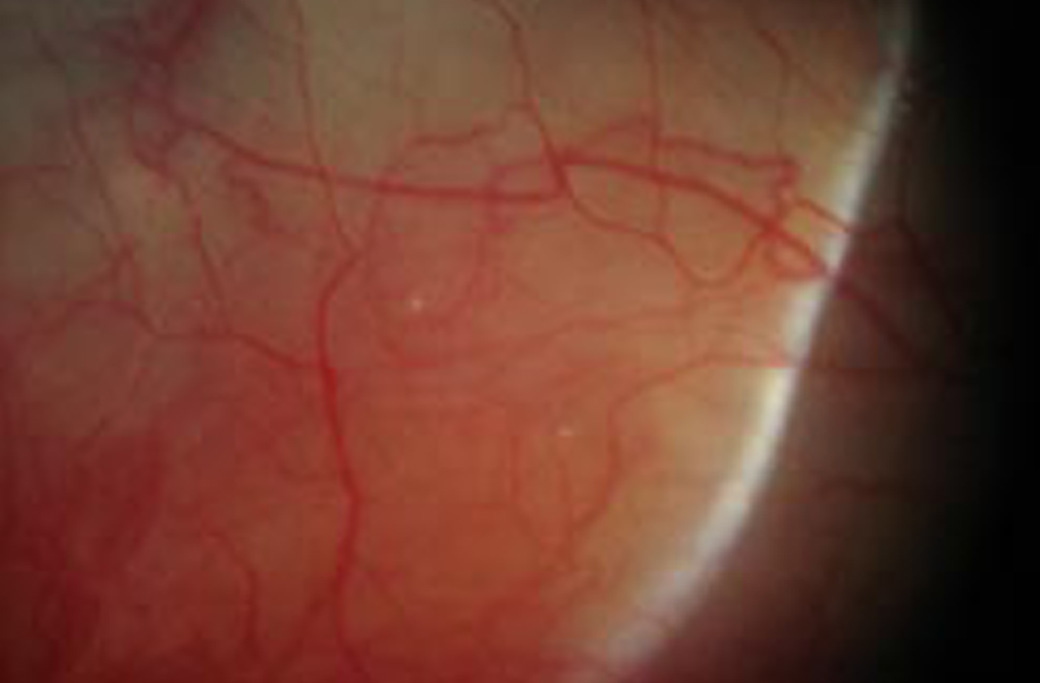
The sclera helps maintain the eye’s shape and protects its internal structures. Scleritis develops when this deeper protective tissue becomes inflamed.
The condition may affect one or both eyes. Some patients experience a single episode, while others develop recurring inflammation that requires ongoing care.
What Are the Symptoms of Scleritis?
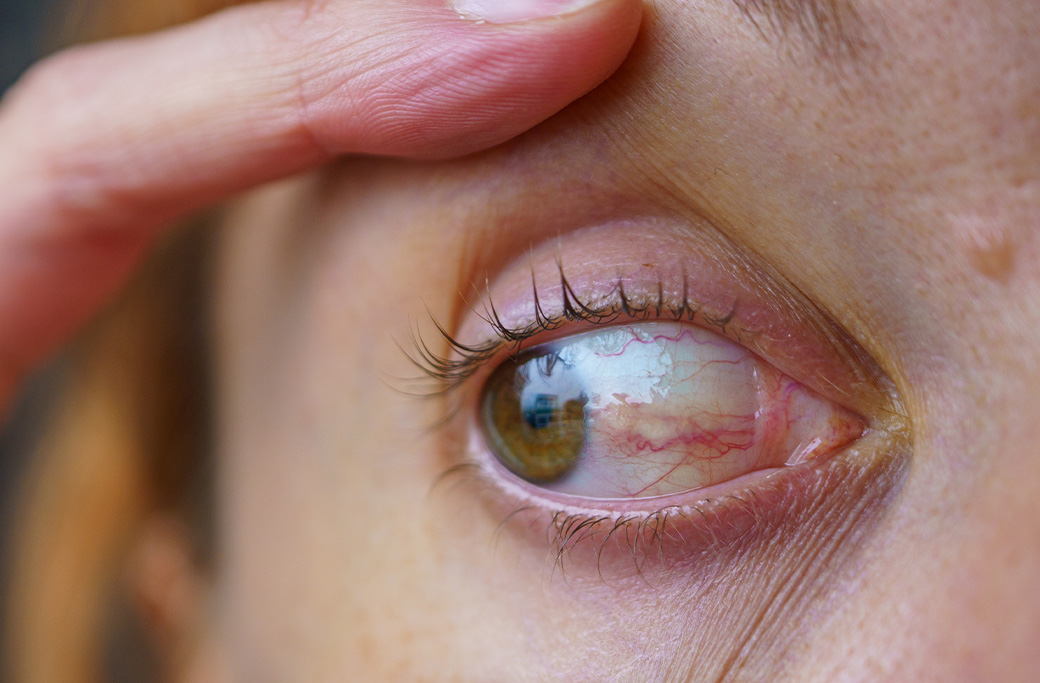
Symptoms vary depending on the location and severity of inflammation. Common signs and symptoms include:
-
-
Deep, aching or severe eye pain
-
Redness affecting the white of the eye
-
Tenderness or pain with eye movement
-
Pain extending toward the forehead, temple or jaw
-
Blurred or reduced vision
-
Sensitivity to light
-
Not everyone experiences severe pain or visible redness. Posterior scleritis, which affects the back of the eye, may cause vision changes without obvious external inflammation.
When Should You Seek Medical Attention?
Persistent eye redness accompanied by pain or tenderness warrants prompt ophthalmologic evaluation.
Severe eye pain, new vision changes or rapidly worsening symptoms require urgent, same-day evaluation. Sudden significant vision loss requires immediate emergency eye care.
Symptoms alone cannot reliably distinguish scleritis from other eye conditions.
What Are the Different Types of Scleritis?

Scleritis is classified by the location and pattern of inflammation.
Anterior Scleritis
Anterior scleritis affects the visible front portion of the eye. Its main forms include:
-
-
Diffuse: Widespread inflammation of the sclera.
-
Nodular: Localized inflammation with raised, tender nodules.
-
Necrotizing: A more serious form that may damage and thin scleral tissue.
-
A rare presentation called scleromalacia perforans causes progressive scleral thinning with little obvious inflammation or pain.
Posterior Scleritis
Posterior scleritis affects the back of the eye. It may cause pain or vision changes without prominent redness and sometimes requires imaging for diagnosis.
Scleritis vs. Episcleritis: What’s the Difference?
Both conditions involve inflammation near the white of the eye, but they affect different tissue layers.
| Scleritis | Episcleritis |
|---|---|
| Deeper inflammation | More superficial inflammation |
| Often causes significant pain | Usually causes milder discomfort |
| Can threaten vision | Usually does not threaten vision |
| May require systemic treatment | Often resolves with limited treatment |
Although episcleritis generally has a favorable outlook, persistent or recurrent symptoms should still be evaluated.
Learn more about episcleritis symptoms and treatment.
What Causes Scleritis?
Scleritis may result from immune-mediated inflammation, infection or, occasionally, previous eye surgery or injury.
It can be associated with systemic inflammatory conditions, including:
-
-
Rheumatoid arthritis
-
Granulomatosis with polyangiitis (GPA)
-
Systemic lupus erythematosus
-
Relapsing polychondritis
-
Inflammatory bowel disease
-
Certain bacterial, viral or fungal infections can also cause scleritis. In some patients, no underlying cause is identified. This is called idiopathic scleritis.
How Is Scleritis Diagnosed?
An ophthalmologist diagnoses scleritis through a detailed eye examination and medical history.
Depending on the findings, evaluation may include:
-
-
Slit-lamp examination to assess scleral inflammation
-
Ocular ultrasound to investigate posterior scleritis
-
Optical coherence tomography (OCT) to evaluate associated retinal changes
-
Blood or urine tests to investigate possible systemic disease or infection
-
Not every patient requires every test. When an underlying inflammatory condition is suspected, the ophthalmologist may coordinate care with a rheumatologist or another medical specialist.
Learn more about uveitis and ocular inflammatory disease evaluation.
How Is Scleritis Treated?
Treatment depends on the type, severity and underlying cause of inflammation. The goal is to control disease activity, protect vision and reduce complications.
Noninfectious Scleritis
Depending on the patient’s condition, treatment may include:
-
-
Oral nonsteroidal anti-inflammatory drugs (NSAIDs) for selected cases
-
Corticosteroids to control more significant inflammation
-
Immunomodulatory medications for some patients with persistent, recurrent or severe disease
-
Certain immunomodulatory treatments may be administered orally, by injection or through intravenous infusion. Eye drops alone are generally insufficient for deeper scleral inflammation. Learn more about eye conditions that may require infusion therapy.
Infectious Scleritis
Infectious scleritis requires treatment directed at the underlying microorganism, potentially using antibacterial, antiviral or antifungal medications. Some cases require surgery, particularly when infection or tissue damage is significant.
Treatment must be individualized. Patients should not start, stop or change prescribed medications without guidance from their treating clinician.
Can Scleritis Cause Vision Loss or Return After Treatment?
Scleritis can cause complications, particularly when inflammation is severe or involves nearby eye structures. Potential complications include scleral thinning, corneal involvement, uveitis, glaucoma, cataract and reduced vision.
Some patients experience one episode, while others develop recurrent or chronic inflammation. Appropriate treatment and follow-up help physicians monitor inflammation, protect eye structures and identify complications.
Specialized Scleritis Care at MERSI
Massachusetts Eye Research & Surgery Institution provides specialized evaluation and treatment for scleritis, uveitis and other complex ocular inflammatory diseases.
Stephen D. Anesi, MD, FACS, Partner & Co-President, specializes in ocular inflammatory diseases, cornea, glaucoma, cataract and medical retina.
MERSI’s ocular immunology specialty care includes evaluating inflammatory eye conditions that may be associated with systemic disease.
Our office is located in Waltham, Massachusetts, and serves patients seeking specialized eye care from throughout New England, including Connecticut and Rhode Island. Patients requesting a consultation may be asked to provide previous eye examinations, imaging, laboratory results and medication information.
Get Specialized Care for Scleritis at MERSI
Scleritis can be a complex condition, especially when inflammation returns or is associated with an underlying medical disease. Getting the right diagnosis and an individualized treatment plan is important for protecting your vision.
If you’re experiencing persistent symptoms, managing recurring scleritis or seeking a second opinion, MERSI’s ocular inflammation specialists are here to help.
Schedule a consultation at our Waltham, Massachusetts, office by calling 781-891-6377 or toll-free 866-353-6377.
For sudden significant vision loss, severe eye pain or rapidly worsening symptoms, seek urgent medical eye care rather than waiting for a routine appointment.
This information is intended for patient education and does not replace individualized medical advice or an ophthalmologic examination.
Frequently Asked Questions About Scleritis
Is Scleritis an Emergency?
Scleritis requires prompt evaluation because certain forms can threaten vision. Severe pain or new vision changes warrant urgent assessment.
Is Scleritis Always Caused by Autoimmune Disease?
No. Scleritis may be associated with autoimmune disease, infection, surgery or injury. Sometimes no underlying cause is identified.
Can Scleritis Be Cured?
Some episodes resolve with treatment and do not return. Other patients experience recurring inflammation requiring ongoing management
Medically reviewed by:
Stephen D. Anesi, MD, FACS, Partner & Co-President
Specializes in: Ocular inflammatory diseases, cornea, glaucoma (medical, surgical & MIGS), cataract, and medical retina
Peter Y. Chang, MD, FACS, Partner & Co-President
Specializes in: Ocular inflammatory diseases, vitreoretinal surgery, and cataract
Carl S. Wilkins, MD
Specializes in: Ocular inflammatory diseases, vitreoretinal surgery, and cataract
Reviewed: November 5, 2026