
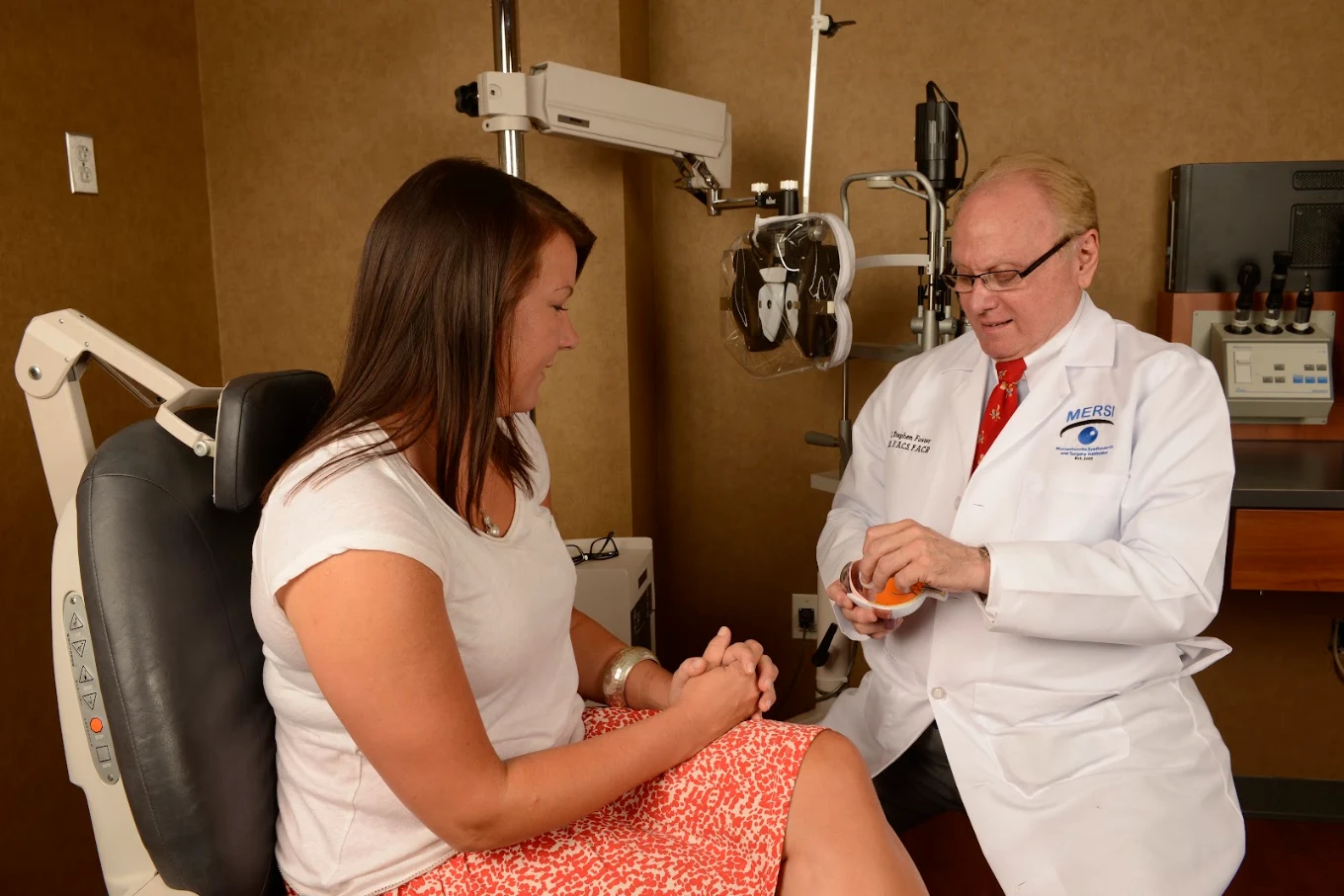
Being diagnosed with diabetic retinopathy can bring up a lot of questions. You may be wondering what the diagnosis means for your vision, whether you need treatment, or what happens next. It is also common to leave an appointment and realize you forgot to ask something important.
You do not need to understand every medical term or make every decision at once. Asking questions can help you better understand your diagnosis, participate in treatment decisions, and feel more prepared for follow-up care. The questions below can help you start a conversation with your retina specialist. You can choose the ones that matter most to you and bring them to your next appointment.
Questions About Your Diagnosis
1. What Stage of Diabetic Retinopathy Do I Have?
Diabetic retinopathy develops when diabetes damages small blood vessels in the retina, the light-sensitive tissue at the back of the eye. Your specialist may describe the condition as nonproliferative or proliferative diabetic retinopathy. These terms help describe the changes occurring in your eyes.
Ask your specialist:
-
-
-
Is my diabetic retinopathy mild, moderate, severe, or proliferative?
-
Is the condition at the same stage in both eyes?
-
What does this stage mean for my vision and future care?
-
-
Understanding your stage can help you make sense of the recommended monitoring or treatment plan. For additional background, read MERSI’s diabetic retinopathy overview.
2. Do I Also Have Diabetic Macular Edema?
Diabetic macular edema (DME) occurs when damaged blood vessels leak fluid into the macula, the central part of the retina responsible for detailed vision. DME is not simply the final stage of diabetic retinopathy. It can occur at different stages of the disease.
Ask whether your examination or imaging shows swelling, whether it affects your central vision, and whether it changes your treatment recommendations. Learn more about diabetic macular edema.
3. How Is Diabetic Retinopathy Affecting My Vision Right Now?
Some people have diabetic retinopathy without noticing any changes in their eyesight. Others experience blurriness, distortion, or difficulty seeing details.
Ask your specialist whether the findings explain any symptoms you have noticed. You can also ask whether other eye conditions might be contributing to your vision changes.
4. Can My Condition Change Even If My Vision Seems Normal?
Yes. Diabetic retinopathy can progress without obvious symptoms.
Ask what changes your specialist will be watching for and why follow-up examinations remain important even when your eyesight feels stable.
Questions About Retinal Tests and Imaging
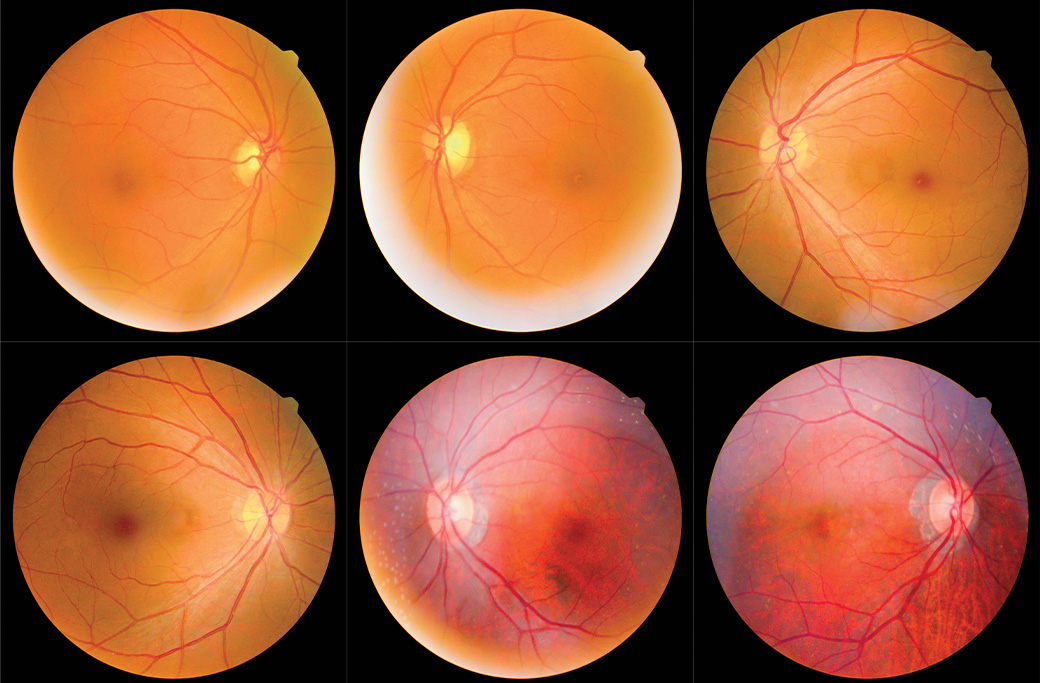
5. What Do My Examination Findings and Retinal Images Show?
Your specialist may use retinal photographs, a dilated examination, or optical coherence tomography (OCT) to evaluate your eyes. OCT uses light to create detailed images of retinal layers. Other tests may help examine blood vessels or identify leakage.
Helpful questions include:
-
-
-
Can you show me the areas of concern on my images?
-
Is there swelling, bleeding, or abnormal blood vessel growth?
-
How do today’s results compare with earlier examinations?
-
Will I need these tests again?
-
-
You can read MERSI’s guide to retinal imaging, OCT, and other tests for more information about what different tests reveal.
Questions About Treatment Decisions

6. Are You Recommending Monitoring or Treatment, and Why?
Not everyone diagnosed with diabetic retinopathy needs immediate treatment. Depending on the findings, your specialist may recommend monitoring, medication injections, laser treatment, surgery, or another approach.
Ask why the recommended plan is appropriate for your particular eyes. If monitoring is recommended, ask what findings would make treatment necessary. If treatment is recommended, ask what problem it is intended to address.
7. What Benefits, Risks, and Alternatives Should I Understand?
Before agreeing to a procedure or treatment, you should have an opportunity to understand its purpose and possible outcomes.
Consider asking:
-
-
-
What is the main goal of this treatment?
-
What improvement or stabilization might reasonably be expected?
-
What risks or side effects should I know about?
-
Are there reasonable alternatives?
-
How might treatment affect my daily activities?
-
-
For patients considering injections, MERSI’s guide to anti-VEGF therapy for diabetic retinopathy provides additional background. Treatment may help reduce disease activity or the risk of further vision loss, but results vary. No treatment guarantees restored vision or prevents every future complication.
8. What Could Happen If Treatment Is Delayed?
If your specialist recommends treatment, ask how soon it should begin and what risks might be associated with waiting. Some retinal changes require more timely intervention than others. The appropriate timing depends on your examination findings, symptoms, and overall circumstances.
If you have concerns about treatment, cost, transportation, or scheduling, discuss them with your treating team rather than postponing recommended care on your own.
9. How Will We Know Whether My Care Plan Is Working?
Monitoring and treatment both involve evaluating changes over time.
Ask what your specialist will measure at future visits. This may include vision testing, retinal imaging, swelling, bleeding, or changes in abnormal blood vessels. You can also ask what would lead your specialist to continue, adjust, or reconsider the plan.
Questions About Follow-Up and Everyday Life
10. When Should I Return for My Next Retina Examination?
There is no single follow-up schedule that applies to every patient with diabetic retinopathy. Your specialist will consider your stage of disease, retinal findings, symptoms, and whether you are receiving treatment. Before leaving, confirm your next appointment and ask what circumstances might require an earlier examination.
For additional context, read How Often Should Diabetics Get Eye Exams?.
11. Which Symptoms Should Make Me Seek Help Before My Next Appointment?
Ask your specialist which changes require a prompt call and which symptoms may represent an eye emergency. Sudden vision loss, rapidly worsening vision, a sudden shower of new floaters, new flashes of light, or a dark shadow or curtain across your vision can signal a serious eye problem.
Do not wait for a routine appointment if you experience sudden or rapidly worsening symptoms. Seek urgent eye evaluation. If prompt eye care is unavailable, seek emergency medical care. MERSI also explains symptoms of diabetic retinopathy and warning signs patients should recognize.
12. Could My Appointment Affect Driving or Other Activities?
A retinal appointment may include pupil dilation, imaging, or treatment that temporarily affects vision or comfort.
Ask whether you should arrange transportation, avoid driving afterward, or plan for temporary activity restrictions. The answer depends on the examination or procedure you receive.
13. What Should I Discuss With the Clinician Managing My Diabetes?
Your retina specialist and diabetes-care clinician address different but connected aspects of your health.
Ask whether your retinal findings suggest any information that should be shared with the clinician managing your diabetes. Blood sugar, blood pressure, and cholesterol management are important parts of overall diabetic eye care. Your medical team can help determine appropriate goals and medication decisions for your individual circumstances.
14. Who Will Communicate With My Other Eye Doctors?
If you see an optometrist, general ophthalmologist, or another specialist, ask how everyone involved in your eye care should coordinate. Useful questions include:
-
-
Should my usual eye doctor receive a copy of today’s findings?
-
Who will manage my routine eye examinations?
-
Which clinician should I contact about changes in my vision?
-
Will I need another referral for future specialist visits?
-
If another perspective may be helpful, MERSI also offers a guide to getting a second opinion for an eye condition.
15. Who Should I Contact Between Appointments?
Before leaving, make sure you understand how to reach the appropriate care team if you develop symptoms, have questions about treatment, or need to clarify instructions.
Ask how urgent concerns are handled outside regular office hours and what to do if you cannot reach your treating clinician. Do not rely on routine messages or appointment requests when experiencing symptoms that require urgent evaluation.
Questions to Bring to Your Appointment
You do not have to ask everything on this list. Choose the questions most relevant to your situation and use the space below to record answers.
☐ What stage of diabetic retinopathy do I have in each eye?
☐ Do I have diabetic macular edema?
☐ What do my retinal images show?
☐ Am I being monitored or treated, and why?
☐ What are the benefits, risks, and alternatives?
☐ How soon should recommended treatment begin?
☐ How will we know whether the plan is working?
☐ When should I return?
☐ Which symptoms require urgent attention?
☐ Are there any driving or activity restrictions?
☐ What should I share with my diabetes-care clinician?
☐ Who should I contact between appointments?
My most important question: __________________________
My next appointment: _______________________________
Instructions I want to remember: _____________________
Your Questions Are an Important Part of Your Care
A diabetic retinopathy diagnosis does not mean you need to have every answer immediately. It means you and your care team have important information to discuss and decisions to make together. Whether your specialist recommends monitoring or treatment, understanding the reasons behind your care plan can help you participate more confidently.
If you need another explanation, want to review your imaging, or are uncertain about your next steps, ask. Those conversations are part of good eye care.
Schedule a Retina Consultation at MERSI
The Massachusetts Eye Research and Surgery Institution (MERSI) provides specialized retinal evaluation and care at its office in Waltham, Massachusetts. If you have been diagnosed with diabetic retinopathy and would like to discuss your condition or treatment recommendations, contact MERSI or call 781-891-6377 to inquire about an appointment.
Patients traveling from Connecticut, Rhode Island, or elsewhere in New England can also review MERSI’s guide to traveling for specialized eye care. If you experience sudden vision loss or other potentially serious symptoms, seek urgent medical evaluation rather than waiting for a routine consultation.
This article provides general patient education and does not replace individualized medical advice, diagnosis, or treatment from your healthcare professional.
Medically reviewed by:
Stephen D. Anesi, MD, FACS, Partner & Co-President
Specializes in: Ocular inflammatory diseases, cornea, glaucoma (medical, surgical & MIGS), cataract, and medical retina
Peter Y. Chang, MD, FACS, Partner & Co-President
Specializes in: Ocular inflammatory diseases, vitreoretinal surgery, and cataract
Carl S. Wilkins, MD
Specializes in: Ocular inflammatory diseases, vitreoretinal surgery, and cataract
Reviewed: November 5, 2026