
Quick Answer: Chronic uveitis is long-term inflammation inside the eye that requires ongoing monitoring and treatment to help prevent permanent vision loss. While some patients experience occasional flare-ups, others require continuous medication, advanced imaging, and regular follow-up visits to keep inflammation under control. With early diagnosis and specialized care, many people successfully manage chronic uveitis while maintaining excellent vision and quality of life.
What Is Chronic Uveitis?
Uveitis is inflammation of the uvea, the middle layer of the eye. While some cases resolve after a short course of treatment, others become chronic or repeatedly return over time.
In general, ophthalmologists consider uveitis to be chronic when inflammation:
-
- Persists for more than three months.
- Returns within three months after treatment is stopped.
- Requires ongoing medication to remain under control.
Unlike acute uveitis, chronic uveitis often requires long-term management to prevent recurring inflammation and protect vision.
For a complete overview of this condition, read What Is Uveitis? Symptoms, Causes, Diagnosis & Treatment.
Why Does Uveitis Become Chronic?
There is no single reason why uveitis becomes chronic. In many patients, inflammation is related to an underlying autoimmune disease that causes the immune system to mistakenly attack healthy eye tissue.
Common causes include:
-
- Rheumatoid arthritis
- Ankylosing spondylitis
- Psoriatic arthritis
- Sarcoidosis
- Lupus
Other patients develop chronic inflammation following certain infections, eye injuries, or for reasons that remain unknown (idiopathic uveitis). Understanding the underlying cause helps your ophthalmologist develop the most effective long-term treatment plan.
What Are the Goals of Long-Term Uveitis Treatment?
Managing chronic uveitis involves much more than relieving symptoms during a flare-up.
The primary goals are to:
-
- Control inflammation before permanent damage occurs
- Prevent future flare-ups
- Preserve retinal and optic nerve health
- Reduce dependence on long-term steroids
- Maintain the best possible vision
- Protect overall eye health for years to come
Since every patient responds differently, treatment plans are individualized and adjusted over time.
What Symptoms Should You Expect?
Symptoms often vary depending on whether inflammation is active or well controlled.
During flare-ups, patients commonly experience:
-
- Eye pain
- Redness
- Blurred vision
- Floaters
- Light sensitivity
- Reduced vision
Between flare-ups, symptoms may improve significantly, or disappear altogether. However, some patients have ongoing inflammation without noticeable symptoms, making regular eye examinations extremely important.
How Is Chronic Uveitis Monitored?
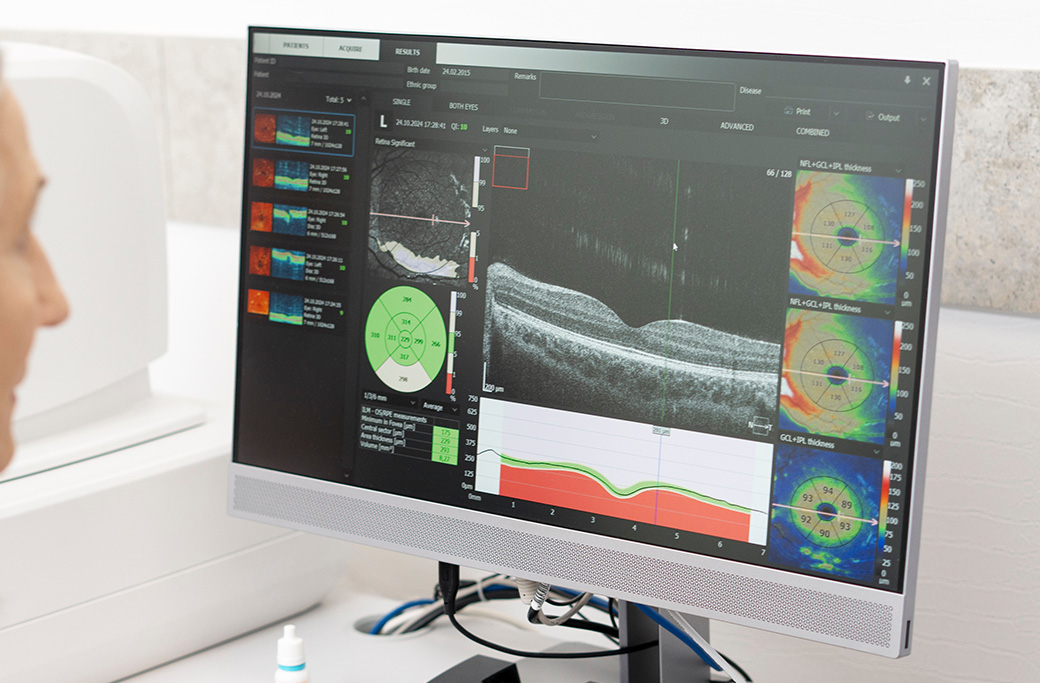
Even when your eyes feel normal, inflammation can continue damaging delicate structures inside the eye. That’s why routine monitoring is essential. Depending on your condition, your retina or uveitis specialist may recommend:
Comprehensive Eye Examinations
Regular examinations allow your physician to monitor inflammation and evaluate your response to treatment.
Slit-Lamp Examination
A slit-lamp microscope helps identify inflammatory cells and protein inside the front of the eye.
Dilated Retinal Examination
Dilating the pupil allows your specialist to evaluate the retina, choroid, and optic nerve for inflammation or complications.
Optical Coherence Tomography (OCT)
OCT creates highly detailed cross-sectional images of the retina and is particularly useful for detecting macular edema, one of the most common complications of chronic uveitis.
Fundus Photography
High-resolution retinal photographs document changes over time and help compare disease activity between visits.
Fluorescein Angiography
When needed, this specialized imaging test evaluates retinal blood vessels for leakage or inflammation.
Laboratory Testing
If autoimmune disease or infection is suspected, blood work and additional laboratory testing may be repeated throughout treatment.
Learn more in:
What Treatments May Be Needed?

Treatment depends on where inflammation occurs, how severe it is, and whether it continues to return.
Your treatment plan may include:
Corticosteroid Eye Drops
Often the first treatment for anterior uveitis.
Oral Corticosteroids
Used when inflammation affects deeper structures or both eyes.
Steroid Injections
Sometimes recommended when localized treatment is appropriate.
Immunomodulatory Therapy
Patients with autoimmune-related inflammation often benefit from medications that regulate the immune system rather than simply treating symptoms.
IV Infusion Therapy
When inflammation remains active despite conventional treatment—or when long-term steroid use becomes problematic—your specialist may recommend biologic medications delivered through IV infusion.
Learn more in:
Can Chronic Uveitis Cause Permanent Vision Loss?
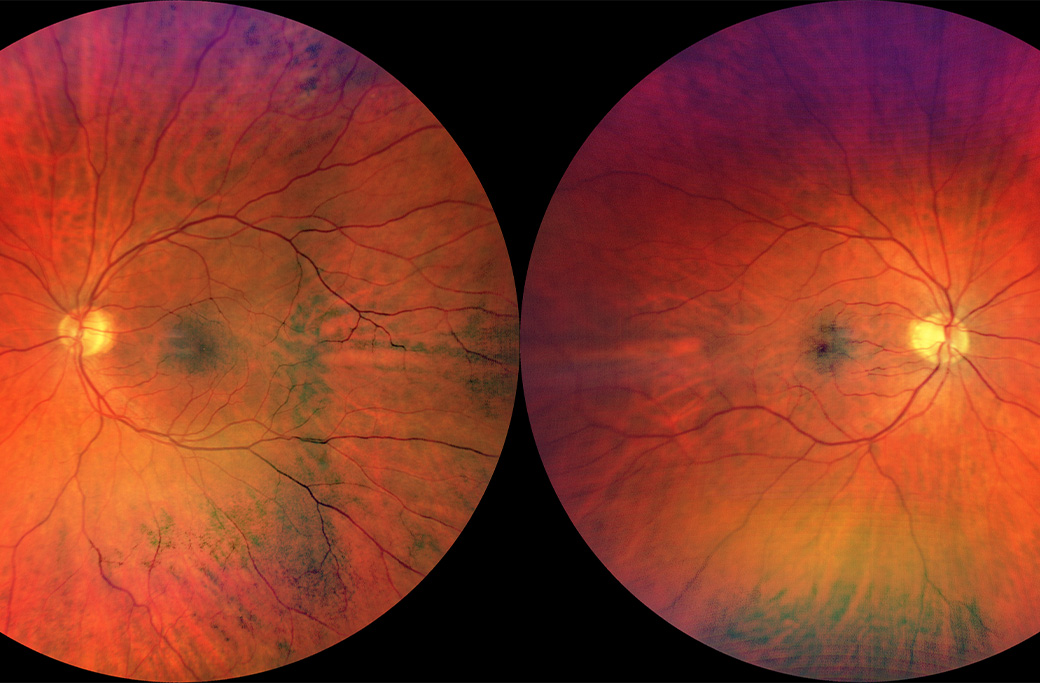
Unfortunately, yes. Without appropriate treatment, ongoing inflammation may damage structures responsible for vision.
Potential complications include:
-
- Cataracts
- Glaucoma
- Macular edema
- Retinal damage
- Optic nerve damage
- Permanent vision loss
Fortunately, early diagnosis and consistent monitoring greatly reduce these risks.
Living With Chronic Uveitis
Although chronic uveitis requires ongoing management, many patients continue living active, productive lives.
You can help protect your vision by:
-
- Taking medications exactly as prescribed.
- Attending every follow-up appointment.
- Reporting new symptoms immediately.
- Managing underlying autoimmune diseases.
- Wearing sunglasses if light sensitivity develops.
- Avoid missing appointments; even when symptoms improve.
Remember that flare-ups do not necessarily mean treatment has failed. Many patients require periodic adjustments to their treatment plan over time.
Why Specialized Care Matters
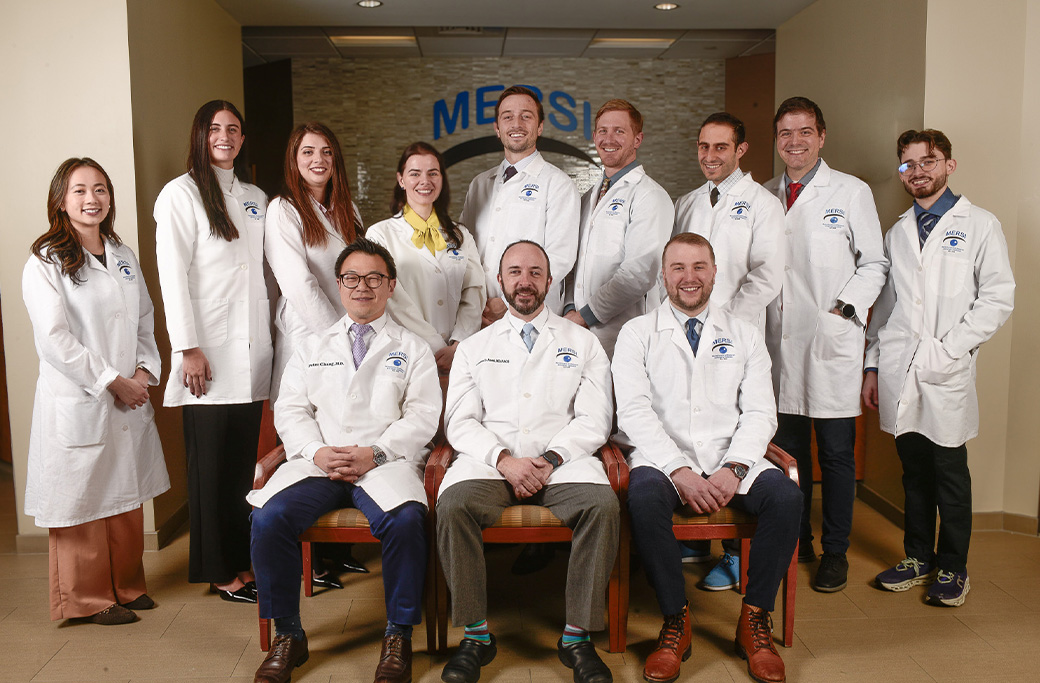
Chronic uveitis is one of the most complex inflammatory eye diseases treated by ophthalmologists. Since inflammation can affect multiple structures inside the eye, and may be associated with systemic autoimmune disease, successful management often requires specialized expertise.
At MERSI, our fellowship-trained retina and uveitis specialists provide:
-
- Comprehensive diagnostic evaluation
- Advanced retinal imaging
- Individualized treatment plans
- Ocular immunology expertise
- Long-term disease monitoring
- Dedicated ophthalmic infusion therapy
- Collaboration with rheumatologists and other medical specialists when appropriate
This coordinated approach allows us to identify the cause of inflammation, monitor disease progression, and tailor treatment to each patient’s individual needs.
Schedule a Chronic Uveitis Evaluation at MERSI
Managing chronic uveitis requires more than treating occasional flare-ups. It requires ongoing partnership with specialists experienced in inflammatory eye disease.
At MERSI, our fellowship-trained retina and uveitis specialists provide advanced diagnostic imaging, comprehensive evaluation, and personalized treatment plans designed to control inflammation while protecting your long-term vision.
Whether you’ve recently been diagnosed or continue experiencing recurring inflammation, we’re here to help you navigate every stage of treatment.
Schedule a comprehensive uveitis evaluation at MERSI to develop a personalized plan for managing chronic uveitis and preserving your vision.
Frequently Asked Questions
Can chronic uveitis be cured?
Some cases resolve completely, but many require ongoing treatment and monitoring to keep inflammation under control and protect vision.
How long does chronic uveitis last?
Chronic uveitis may persist for months or years. Some patients experience long periods of remission, while others require continuous treatment to prevent flare-ups.
Can chronic uveitis cause blindness?
If left untreated, chronic uveitis can lead to cataracts, glaucoma, retinal damage, optic nerve damage, and permanent vision loss. Early diagnosis and consistent treatment significantly reduce these risks.
How often should I see my uveitis specialist?
The frequency depends on disease activity. Active inflammation may require visits every few weeks, while stable patients are often monitored every few months.
Can autoimmune diseases cause chronic uveitis?
Yes. Conditions such as rheumatoid arthritis, ankylosing spondylitis, lupus, sarcoidosis, and psoriatic arthritis are commonly associated with chronic uveitis.